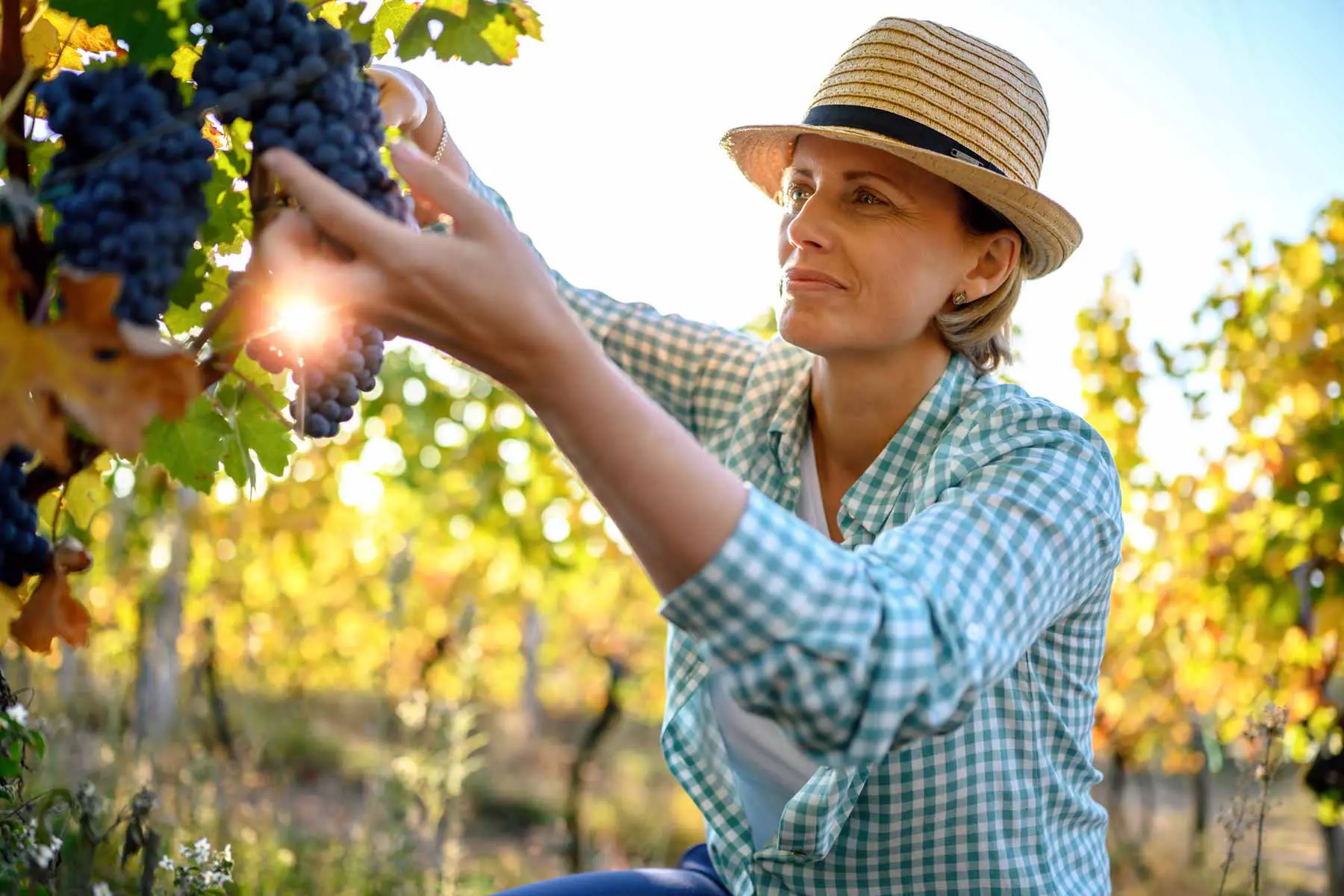
2024 yılının Eylül ayında düzenlenen “Bir Başkadır Avşa” festivalinde Tekirdağ Bağcılık Enstitüsü Müdürü Mehmet Ali Bey’le tanışmış, Enstitü’yü ziyaret etmek istediğimizi söylemiş ve çok sıcak bir davet mesajı almıştık. 15 aylık bir gecikmeyle bu ziyareti yaptık ve doğrusunu isterseniz, gelecek umutlarımızı yeşerten izlenimlerle döndük. Bu yazıyla hem izlenimlerimizi paylaşmak hem de sessizce bu ağır yükü sırtlayıp götüren Tekirdağ Bağcılık Araştırma Enstitüsü ekibinin sesini duyurmak istedik.
A Brief History of the Tekirdağ Viticulture Institute
Enstitü, genç Cumhuriyetimizin kurulmasından kısa bir süre sonra, 1930 yılında, o zaman verilen adıyla “Amerikan Asma Fidanlık Müdürlüğü” olarak kurulmuş. Konuya yabancı olanlar için kısa bir hatırlatma yapalım. Dünya bağcılığının en büyük korkulu rüyası “filoksera” adını verdiğimiz mikroskopik bir böcektir. Avrupa bağlarının yarısını yok eden bu zararlıyla başa çıkılamamış, filokseraya karşı doğal dirence sahip olan ve kısaca “Amerikan Asma” olarak adlandırılan özel bir asma türü bağlara dikilmiş, yerel üzüm çeşitleri bu asmalara aşılanarak bağcılığın sürmesi sağlanmıştır. Bugünkü Tekirdağ Bağcılık Enstitüsü’nün öncülü, bu mücadele için kurulmuş olan Amerikan Asma Fidanlık Müdürlüğü’dür.
In the following decades, the organization was assigned broader tasks and, since 1958, has evolved into a project-based research institution. Today, it stands as a technological hub for viticulture. Initially tied to the Ministry of Economy and Commerce, it is now structured under the Ministry of Agriculture and Forestry’s TAGEM (General Directorate of Agricultural Research and Policies). What began as a 90-decare property now encompasses approximately 800 decares.
Neden Bir Üzüm Gen Bankasına İhtiyacımız Var?
İklim değişikliği, hastalıklar ve değişen tüketici tercihleri nedeniyle bugün ekonomik değeri olmayan bir üzüm çeşidi, gelecekte bağcılık için vazgeçilmez hâle gelebilir. Bu nedenle üzüm çeşitlerini korumak yalnızca geçmişi saklamak değil, geleceğe yatırım yapmaktır.
Viticulture in Turkey: The Numbers
The land we inhabit has an astonishingly rich place in the history of the vine. The domestication of wild grape vines into cultivated vines took place in the geography that includes Southeastern Anatolia. This transformation is estimated to date back 12,000 years. Our ancestors were domesticating vines alongside early grains such as wild wheat and barley.
Grape cultivation spread across Anatolia and, through migration and ancient trade routes, reached Mediterranean civilizations. Viticulture developed in Europe roughly 1,500 to 2,000 years after its rise in Anatolia.
Today, unfortunately, Turkey is rapidly losing vineyard area. Yet despite this decline, we still rank fifth in the world in vineyard surface area and sixth in grape production.
Another field in which we lead is grape diversity. A paper presented at an international conference in 2010 listed 1,115 registered varieties in Turkey. Once homonyms (same name, genetically different) and synonyms (different name, genetically identical) were removed, 845 distinct varieties remained.
Since then, many new varieties have emerged in Turkey. Their genetic analyses have not yet been completed. But the number that stood at 1,115 in 2010 has now reached 1,459. Until scientific clarity is established, it is fair—and cautious—to say that Turkey possesses well over 1,000 grape varieties. This alone is both a treasure and a record.
What Does the Tekirdağ Viticulture Institute Do?
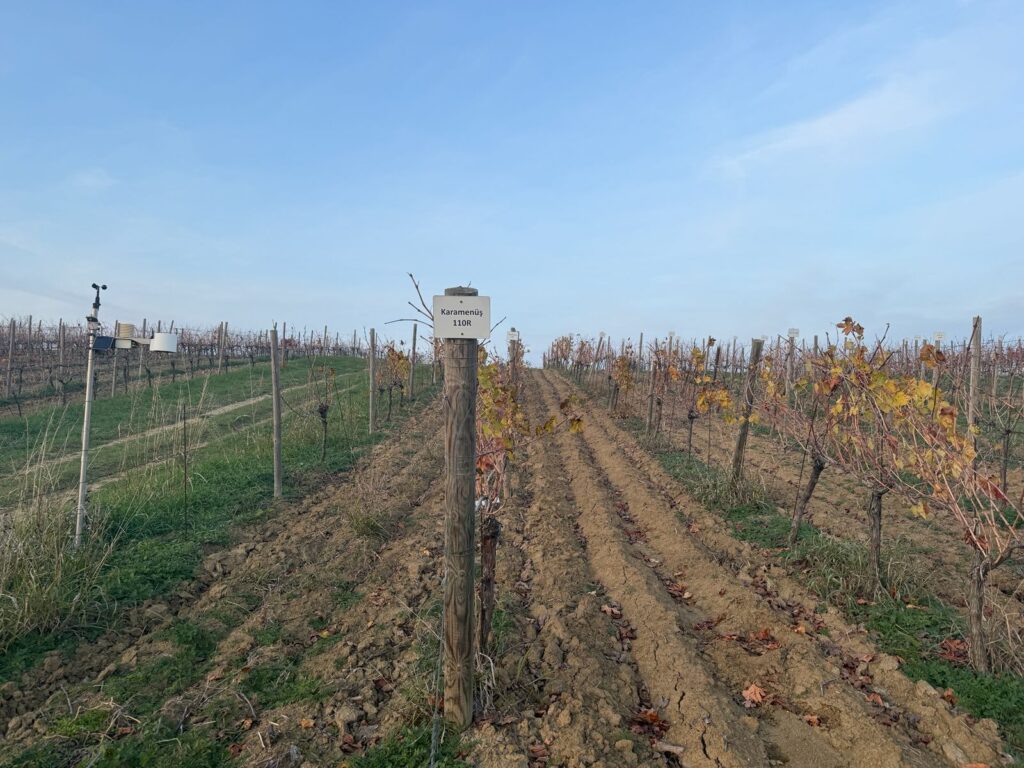
Enstitünün diğer bütün çalışma alanlarının önüne geçen çok değerli bir yanı var: Türkiye sınırları içinde tespit edilen üzüm çeşitlerinin asmalarını bulmak, korumak ve bunları bir koleksiyon bağında gelecek kuşaklara ulaştırmak. Yani burası yaşayan bir asma arşivi.
The Institute is one of the primary guardians of this heritage. Its team works closely with various universities, generating experimental results that are evaluated not only through products but also through academic publications.
Bu yapılan çalışmaların somut sonuçlarıyla ortaya çıkan birçok üzümü bizler yakından takip ediyoruz. Üzüm, bağcının gelir kaynağı. Üzümün yükselen değeri üreticinin gelir ve yaşam düzeyinin yükselmesine hizmet ediyor. Üzüm kalitesinin yükselmesine hizmet eden çalışmalarıyla Tekirdağ Bağcılık Enstitüsü’nün rehberliğinin değeri çok büyük. Özellikle Trakyalı üreticilerin yakın temas için bulundukları enstitü diyaloga açık yaklaşımıyla bir danışma merkezi görevi de üstleniyor.
Tekirdağ Bağcılık Araştırma Enstitüsü Bilgi Kutusu
- Türkiye’nin en büyük asma genetik koleksiyonlarından birine ev sahipliği yapıyor.
- Yaklaşık 1.459 üzüm genotipini koruyor.
- Yeni sofralık ve şaraplık üzüm çeşitleri geliştiriyor.
- Islah, fidan üretimi ve bağcılık araştırmaları yürütüyor.
- Üreticilere eğitim ve teknik destek sağlıyor.
The Economic Value of the Grape
Üzüm hem taze olarak tüketilen hem de işlenerek farklı ekonomik değerlere sahip olan bir ürün. Gıda tarihine baktığımızda, üzümün en önemli görevlerinden birinin şeker ihtiyacını karşılamak olduğunu görüyoruz. Bizim bugün kolayca edindiğimiz rafine şekerin geçmişi topu topu 150 yıl geriye gidiyor. Tarih boyunca üzümün kurutularak veya pekmez yapılarak saklanmasının temel sebebi, mevsimlik tüketimin dışındaki zamanlarda da bu besinden yararlanmak olmuştur.
Wine is, of course, another traditional method of preserving grapes, but wine grapes require different characteristics than table or drying grapes. The Institute plays a key guiding role in identifying which varieties are suitable for which uses. Among Turkish varieties, some stand out for their drying potential. Sultaniye is the classic example, and Turkey is the global leader in this category.
Üzümden yapılan ürünlerin hepsinin kaynağı bağ. Bağın teruar (terroir) özellikleri ve üzümün cinsi kadar, bağcının bağdaki performansı da üzümün kaliteli olmasının koşullarından birisi. Dolayısıyla nitelikli bağcılığın ülkemizde yerleşmesini sağlamak konusunda Tekirdağ Bağcılık Enstitüsü’ne çok görev düşüyor. Bağlara dönük rehberlik, teruara uygun asma seçiminden başlayıp dikim, budama, bakım, doğru zamanda hasat gibi ‘şeytanın ayrıntılarda gizli olduğu’ bir süreç olarak ilerliyor. Enstitü tüm bu başlıklarda en önemli başvuru merkezi.
A Quick Summary of Our Visit
Yesterday, we visited the Institute together with architect Umay Çeviker, a passionate supporter of Turkish grape heritage, and investor Metin Harbalioğlu, who is entering the viticulture sector. We were guided by two senior members of the Tekirdağ team: Tezcan Alço and Tamer Uysal. Getting answers to all our questions, hearing firsthand insights about the ongoing studies, walking through the collection vineyards, and feeling the energy of the place was truly exhilarating.
Sizlerin WAYANA’da tatmış olabileceğiniz bir üzüm de vardı tattığımız örnekler arasında: Karamenüş. Karamenüş bu yıl ilk kez ticari bir ürün olarak ortaya çıktı, ama onun da izini sürerseniz Tekirdağ Bağcılık Araştırma Enstitüsü’nün bu üzüm için harcadığı emeklerin ne kadar büyük olduğunu hemen fark edersiniz.
Enstitünün bir de gelen talep üzerine incelediği Tarsus Beyazı ile tanıştık. Aslen sofralık olarak yetiştirilen bu üzüm teknik ekip tarafından farklı açılardan değerlendirilmiş ve ortaya tanımaya değer bir beyaz çıkmış.
Çok fonksiyonel bir tadım odası hazırlamış Enstitü. Uzmanların birbirlerinden etkilenmemelerini sağlamak için oturma bölümlerinin arasında hareketli paneller var. Tadımlar esnasında herkesin izole olmasını sağlıyor. Bakmaya doyamadığımız bir de üretim bölümüyle karşılaştık. 30-60 litrelik minyatür tanklarla hazırlanmış olan bu bölüm, sıcaklık kontrollü hava sızdırmaz yapıya sahip otuz üniteden oluşan bir laboratuvar.
Geleceğin Bağcılığı Bugün Şekilleniyor
Bağcılık artık yalnızca bugünün koşullarına göre üretim yapmakla sınırlı değil. İklim değişikliğinin etkisiyle yükselen sıcaklıklar, uzun kuraklık dönemleri, yeni hastalık ve zararlıların yayılması gibi gelişmeler, geleceğin bağlarını bugünden yeniden düşünmeyi zorunlu kılıyor. Bu nedenle araştırma enstitülerinin görevi yalnızca mevcut üzüm çeşitlerini korumak değil; kuraklığa ve hastalıklara daha dayanıklı yeni çeşitler geliştirmek, yerel genetik zenginliği kayıt altına almak ve gelecekte ortaya çıkabilecek ihtiyaçlara bugünden hazırlık yapmaktır. Bugün ekonomik değeri sınırlı görülen yerel bir üzüm çeşidi, sahip olduğu genetik özellikler sayesinde yarının iklim koşullarına en iyi uyum sağlayan çeşitlerden biri olabilir. Tekirdağ Bağcılık Araştırma Enstitüsü’nün yürüttüğü çalışmalar da tam olarak bu nedenle yalnızca bugünün bağcılarına değil, henüz dikilmemiş bağlara ve gelecek kuşaklara yapılan bir yatırım niteliği taşıyor.
Anadolu’nun binlerce yılda oluşan üzüm çeşitliliği, yalnızca kültürel mirasımızın değil, iklim değişikliğinin şekillendireceği geleceğin bağcılığı için de en değerli genetik kaynaklardan biri olabilir.
In Essence
Our visit on 18 December gave us hope at a time when developments in Turkish viticulture often leave us discouraged. We cannot thank Institute Director Mehmet Ali Kiracı, along with Tezcan Alço and Tamer Uysal, enough for welcoming us and giving us their time.
Rest assured: our national vine collection is in safe hands.