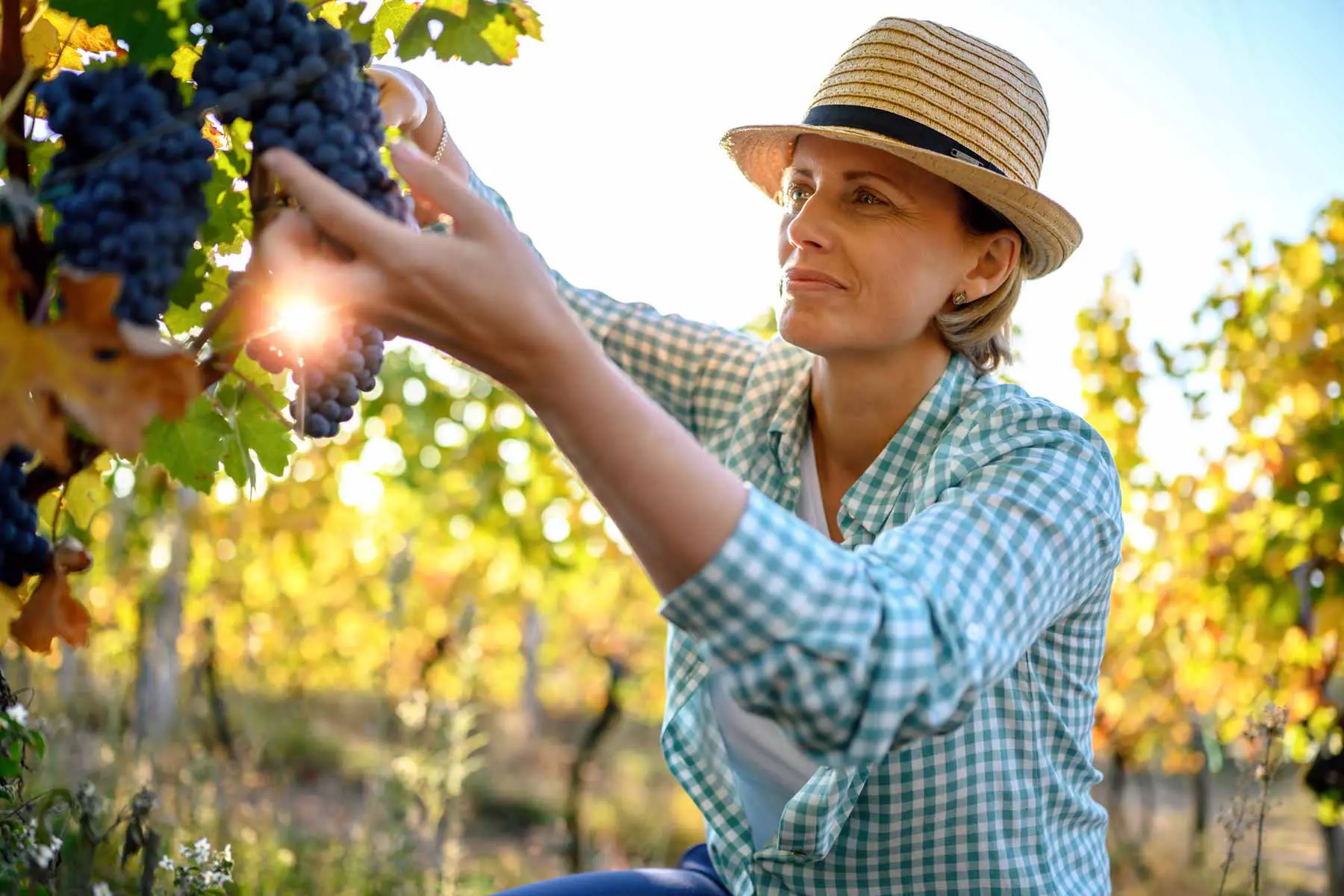
The journey of a single grape juice as it finds its way into different glasses
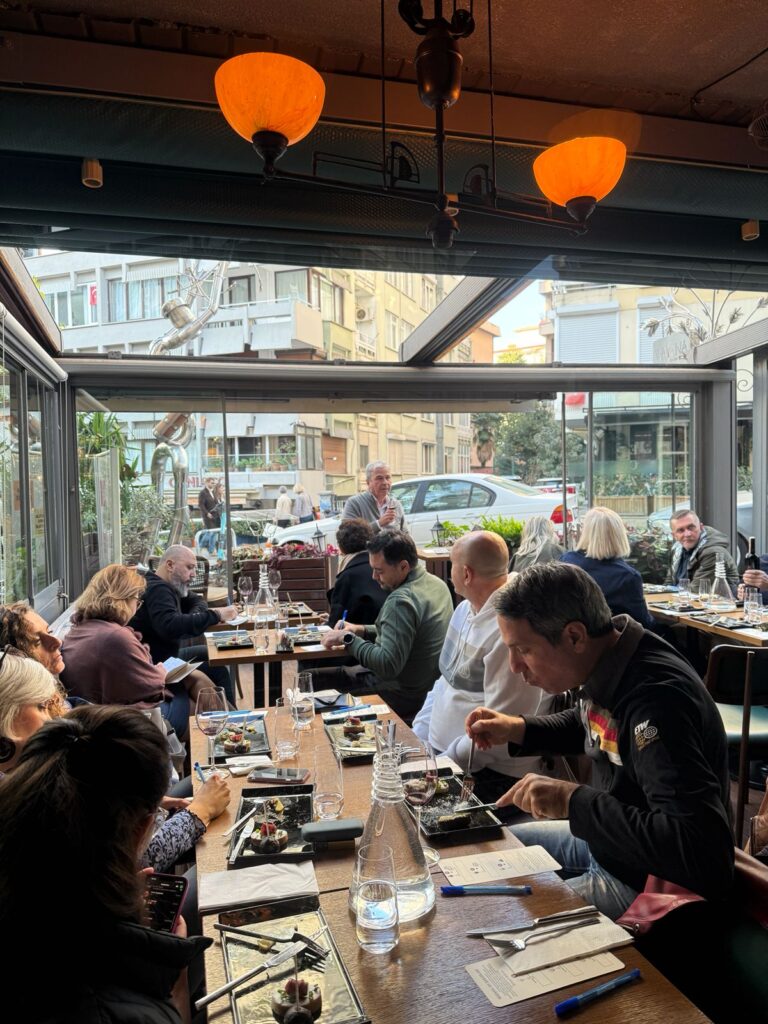
In November we held WAYANA 101, a session designed for those who believe learning about wine is worth the effort. It was also the first link in a chain. Now it’s time for the second: WAYANA 102: From Must to Bottle.
In the world of wine, we tend to focus on what’s inside the bottle. The label, the grape variety, the region. But the real story is everything that happens before the liquid reaches the glass. WAYANA 102 explores how grape juice – must – transforms into vastly different identities through production choices. Starting from the same raw material and the same growing conditions, we examine how methods lead to completely different outcomes.
This tasting follows a chronological path. From the moment the grapes are pressed, we trace how decisions made during fermentation, maturation and bottling reshape texture, aroma and even the emotional feel of the final wine.
Starting with three different approaches: natural, classic and dealcoholized
The journey begins with three distinct production philosophies: natural, classic and dealcoholized.
Natural production aims to keep intervention to a minimum. Instead of selected yeasts, fermentation begins with the microorganisms naturally present on the grapes and in the vineyard. Additives are kept low or nonexistent, and filtration is minimal or skipped entirely. This pathway is more fragile and the results less predictable, which is exactly why the grape’s origin, the vintage’s climate and the producer’s decisions show themselves more “barely.”
Classic production puts control at the center. Fermentation temperatures, yeast selection, the level of oxygen exposure – all are carefully managed. The goal is not always consistency. It is often clarity: the clearest expression of the grape and the intended style. This approach produces wines that are more technically stable and plays a crucial role in wines expected to evolve over many years in bottle.
Dealcoholized production, a rapidly developing field in recent years, is technically complex. The challenge is to remove alcohol while preserving as much aroma and structure as possible. Vacuum distillation and reverse osmosis come into play. This segment inevitably raises the question: what, exactly, counts as “wine”?
Two methods that deepen a wine: sur lie and flor
A wine is far from “finished” when fermentation ends. In fact, its character often starts taking shape after that point.
Sur lie refers to aging the wine on its fermentation lees. This contact adds textural richness and aromatic complexity. Bread-like and creamy nuances, plus a rounder palate, are typical outcomes. When the lees are stirred (batonnage), the effect intensifies.
Flor leads to a very different world. A veil of yeast forms on the surface, regulating oxygen exposure. This process creates the salty, nutty, gently oxidative aromas characteristic of certain regions. Wines aged under flor become sharper yet deeper with time.
Moving into sparkling wines: four approaches
One of the key stops in WAYANA 102 is sparkling production. Here, bubbles are not treated as mere carbonation but as the direct result of production choices.
Pet-Nat, the ancestral method, involves bottling the wine before fermentation is finished. The ongoing fermentation inside the bottle creates natural pressure, often resulting in a cloudy, lively, unpredictable wine.
In the traditional method, the second fermentation happens in the bottle, and the wine ages on its lees for extended periods. This produces refined texture and fine, persistent bubbles.
The Charmat method carries out the second fermentation in pressurized tanks, leading to fresher, fruitier, more direct aromatic profiles.
Semi-sparkling wines sit between still and fully sparkling by pressure level, showing clearly how pressure, bubble texture and mouthfeel interact.
A deep dive into sweet wines
Sweet wines are far more than “wines with sugar.” We begin by classifying them by sweetness levels, then explore how sweetness is achieved.
Late harvest grapes, noble rot (botrytis), drying grapes either on the vine or after harvest, and stopping fermentation early – each method creates a different perception of sweetness and a different sense of balance. The relationship between acidity and sweetness is the heart of the matter, and we emphasize it throughout this section.
Fermentation and aging vessels: the architecture of a wine
In the final stage, we look closely at the vessels where wine takes shape.
Stainless steel tanks represent aromatic purity and precision. Oak barrels add structure, spice and oxygen exchange. Chestnut and acacia offer alternative aromatic signatures.
Amphorae and glass globes allow the wine to evolve in a neutral but breathable environment. Barrel-shaped stainless tanks bridge traditional and modern approaches. This section highlights that vessels are not just materials; they are philosophies.
Selecting the wines that accompany the tasting
The wines chosen for this session serve one purpose: to strengthen and illustrate the story being told. WAYANA 102: From Must to Bottle carries an intense amount of content. Choosing the right wines to support it wasn’t exactly simple.
In Essence
WAYANA 102: From Must to Bottle is a journey that reveals there is no single correct way of making wine. Every decision bends the story in a different direction. The goal is not memorization but learning to read what’s in the glass. To understand the bottle by understanding the path that led to it.