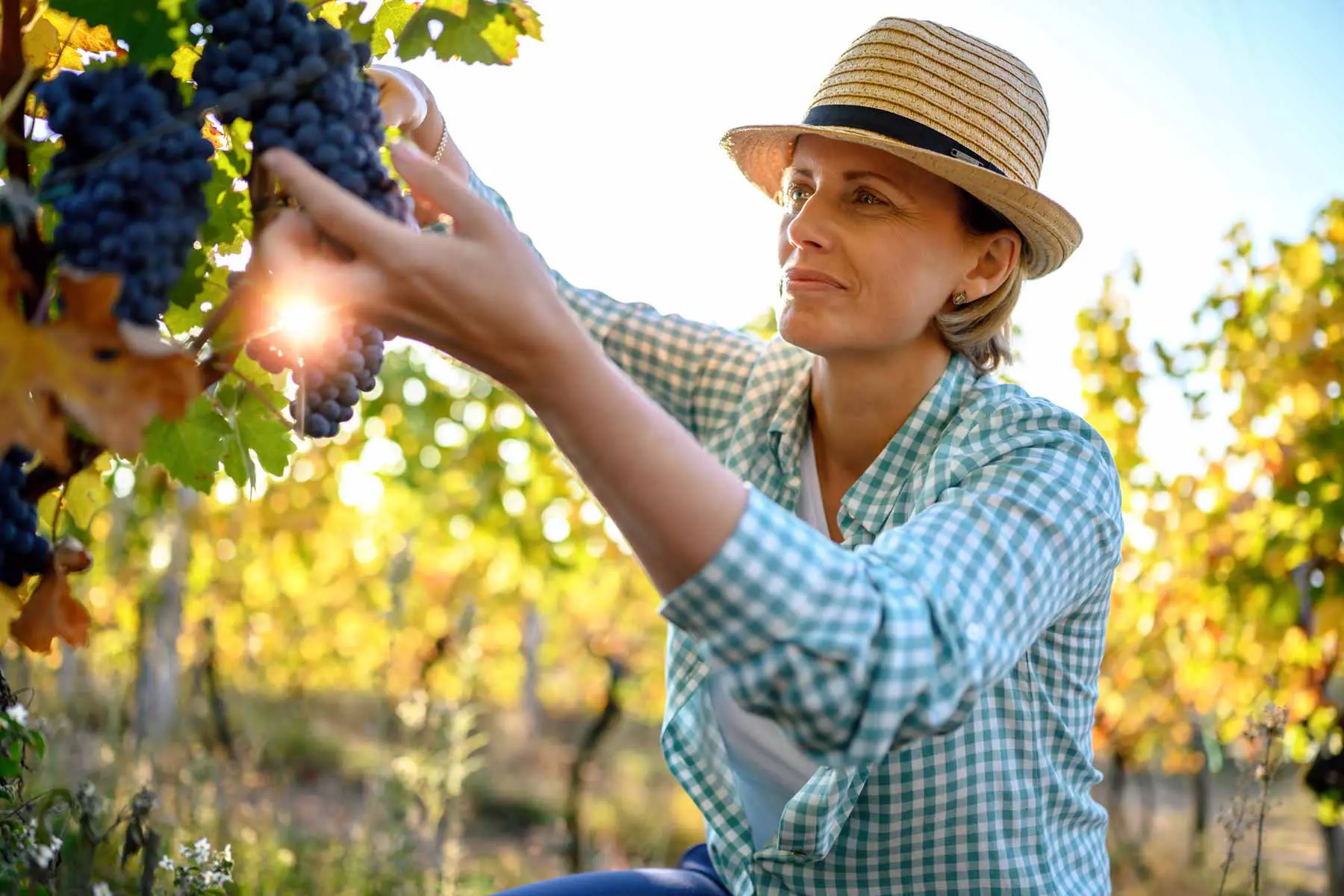
Şarap, insanlık tarihinin en zarif tesadüfü olarak kabul edilir. Ancak son yapılan bilimsel araştırmalar, bu “tesadüfün” arkasında doğanın mühendislik harikası bir mikrobiyal seçilim olduğunu gösteriyor. Bugün kadehlerimizi dolduran o kadim içeceğin kökeni, taze bir salkımdan ziyade, güneşin altında sabırla beklemiş bir kuru üzüm tanesinde gizli olabilir. Antik dönem şarap yapımı hakkında bilgimiz sınırlı. Ama karşımıza neredeyse her gün yeni bilgiler çıkıyor ve giderek eski şarap ustalarının antik dönemdeki şarap yapım teknikleri hakkındaki bilgi eksiklerimizi hızla tamamlıyoruz.
The Traditional Approach in Wine Archaeology: The "Coincidence" Paradigm
For decades, archaeologists and historians have attempted to interpret the birth of wine through the lens of fresh fruit. According to the widely accepted theory, approximately 8,000 years ago, in a geography stretching from the Caucasus to Anatolia, fresh grapes were gathered and crushed under their own weight, fermenting spontaneously. The scientific world called this the "Golden Coincidence": the meeting of forgotten grape must in a vessel with wild yeasts in the air.
Aslında şarabın ilk kez nasıl ortaya çıktığını belki de hiçbir zaman tam olarak öğrenemeyeceğiz. Ama yabani üzümden tesadüfler sonucunda şarabın ortaya çıkmasının yüz binlerce yıl öncesine uzanmasının önünde hiçbir engel yok. Ama her organik ürünün ve yapının ömrünün sınırlı olduğunu düşünecek olursak, bu arkaik şarap avcılığından elimizin boş çıkma olasılığı çok yüksek. Yine de temel yaklaşımımız esas itibarıyla tutarlı.
Ancak bu teorinin göz ardı edemeyeceğimiz zayıf bir noktası var: Modern şarapçılığın temeli olan Saccharomyces cerevisiae mayası, taze üzüm kabuklarında sanıldığından çok daha az miktarda var. Hal böyle olunca, antik toplumlar dışarıdan bir müdahale olmadan bu süreci nasıl bu kadar tutarlı ve sürekli bir üretim haline getirebildi?
Antik Dönem Şarap Yapımı Hakkında Ezber Bozan Keşif Kyoto Üniversitesi’nden geldi
Kyoto Üniversitesi’nden Profesör Wataru Hashimoto liderliğindeki ekibin Scientific Reports dergisinde yayımlanan çalışması, bu noktada devreye giriyor. Araştırmacılar taze üzümler yerine odağı güneşte kurutulmuş üzümlere çevirdiler. Sonuçlar tek kelimeyle çarpıcıydı:
Doğal Fermantasyon Başlatıcısı:
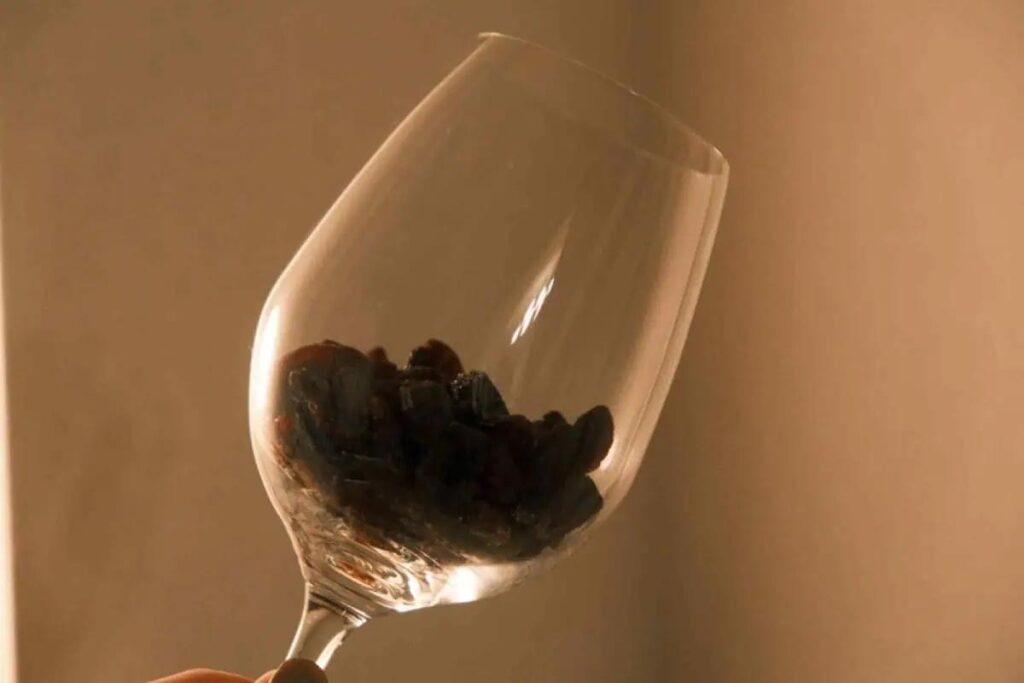
Taze üzümler suya yatırıldığında fermantasyon süreci belirsiz ve verimsizken; güneşte kurutulmuş üzümler suya girdiğinde, birkaç gün içinde istikrarlı bir şekilde köpürmeye ve alkol üretmeye başlıyordu.
Güneşin Seçiciliği:
Açık havada, güneş altında kurutulan üzümler mikrobiyal dünyalarını temelden değiştiriyor. Güneş ışığı ve nem kaybı, taze meyve üzerindeki alkol üretimiyle ilgisi olmayan mikropları eliyor. Geriye, alkol üretimine odaklanmış, daha dirençli ve baskın bir maya ekosistemi kalıyor.
Makineye Karşı Doğa:
Deneyde kullanılan makinelerde kurutulmuş üzümler aynı başarıyı göstermedi. Yani işin sırrı sadece kurumada değil, güneşin ve açık havanın doğrudan temasındaydı.
Raisins: The Logistic Solution of the Ancient World
This finding also fills a logistical gap in the history of wine. In ancient times, fresh fruit spoiled quickly, and grapes were not available in every season or geography. Yet, raisins were portable, storable, and ready to be transformed into wine at any moment when met with water. This explains how wine culture was able to spread to much wider geographies beyond the valleys where vineyards were located.
A View from the WAYANA Perspective
At WAYANA, while we focus on Turkish wines and the local grape varieties of this land, we are in fact talking not only about a beverage, but about this microbial heritage. Anatolia lies at the heart of the 8,000-year history highlighted by this research. Perhaps the deep-rooted tradition of winemaking in these lands stems from our ancestors having recognized this hidden agreement between the sun and the grape thousands of years ago.
Today’s modern Turkish wine producers, of course, fully embrace the winemaking processes made possible by science and technology. Yet at the same time, in Cappadocia, in Gelveri, ancient methods of winemaking continue to be practiced and preserved in earthenware jars that have been used since the Roman period. In this sense, the lands of Anatolia seem to host a living vitality in wine production—one that experiences different eras all at once.
Conclusion: Sun, Time, and Patience
Görünen o ki, ilk kadehler taze bir hasadın aceleci sonucu değil, doğanın güneşle arındırdığı bir sabır sürecinin meyvesiydi. Bu söylediklerimiz elbette şu anda bir varsayım. Ama sorguladığımızda, ayakları yere basan bir hipotez geliştirmiş Hashimoto liderliğindeki ekip.
Anlıyoruz ki doğayı taklit ederek geliştirdiğimiz alternatif yolların, henüz bizim keşfedemediğimiz ama doğanın fütursuzca uyguladığı gizemli yolları var. Biz o gizemli ayrıntıları keşfedinceye kadar güneşte kurutulmuş üzümlerde hayat bulan şarap mayası varsayımı, antik dönem şarapçılığını izah etmemizdeki en güçlü hipotez. Artık antik dönem şarap yapımı tekniklerindeki bilinmezlikleri çözmeye çok daha yakınız.
Bu yazımız ilginizi çektiyse, aşağıdaki yazıların da üzerlerine tıklayarak göz atabilirsiniz.