In mid-September, I received a call from Sabriye Yersel of Kızılgöl Vineyards. After a brief chat, she invited us to Kilis the following weekend to introduce the KILIS HERITAGE project. Although the notice was short, we decided to expand the format of the trip a little and said yes. We also added a Şanlıurfa leg to the journey—which deserves its own story—and set out when the day arrived.
For many of us, Kilis had long lived in our minds as if it were simply part of Gaziantep, so seeing it as a province in its own right takes some adjustment. We met our fellow invitees from Kızılgöl at Canbolad Mansion, the meeting point for the small group.
The “KILIS HERITAGE” Project
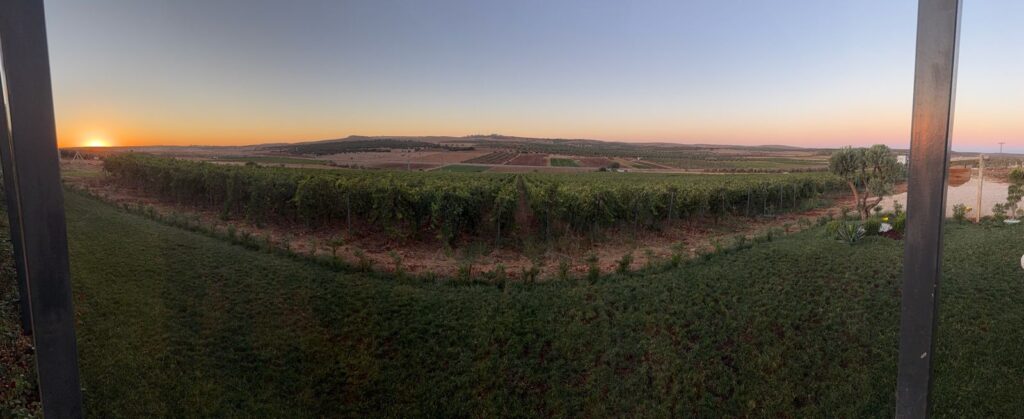
Gezinin akışına geçmeden önce MİRAS KİLİS projesine göz atmakta fayda var. Projeyi hayata geçiren Kızılgöl Bağcılık, inşaat projeleri de olan büyük bir grubun parçası. Şarap üretimine odaklanan yeni girişimleri tek başına şaraptan ibaret görmemeyi ve bunu bir agroturizm projesi olarak hayata geçirmeyi tercih etmişler. MİRAS KİLİS, Kilis’in tarım ve turizm zenginliklerini bir bütün olarak kucaklayan bir yaklaşımla hayata geçirilmiş.
Güney Teruarı ve Korunması Gereken Kadim Bir Miras
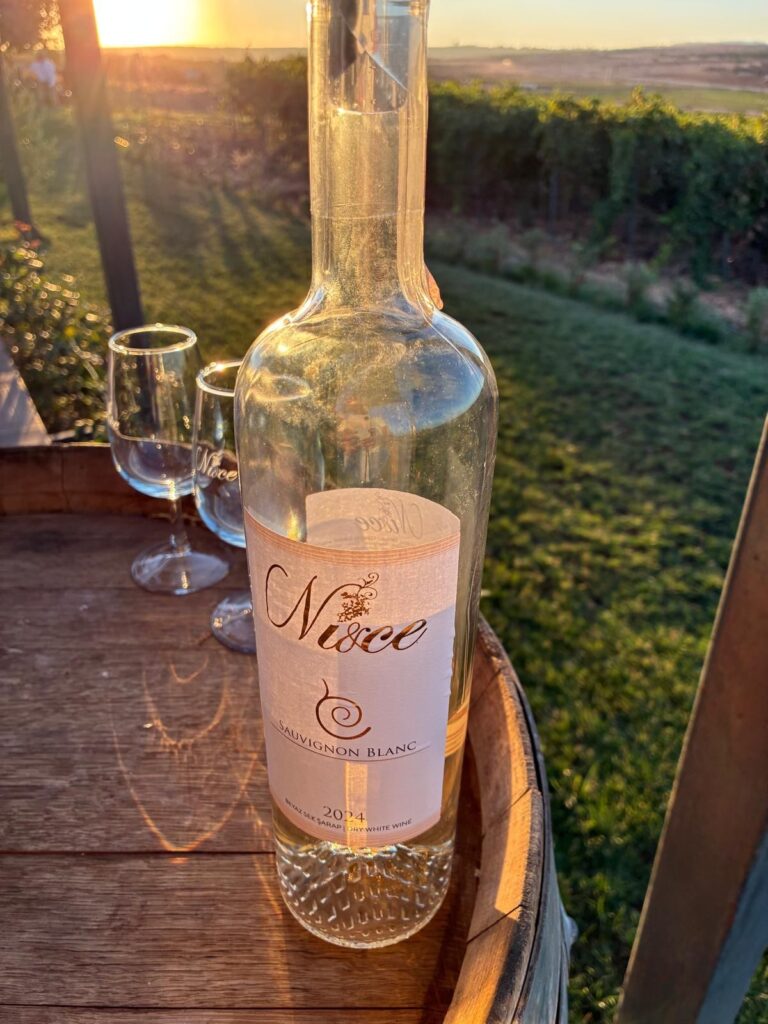
Bu agroturizm projesinin “agro” kısmında şirketin Ni&ce markasıyla üretilen şaraplarının yetiştiği bağlar yer alıyor. Bu bağlarda yetişen üzümler, henüz Kilis şaraphanesi hazır olmadığından, şimdilik Denizli’de işlenip şarap haline getiriliyor. Ama şaraphanenin yapımıyla ilgili en zor kısım tamamlanmış: izinler alınmış. Ana firmanın esas işinin inşaat olduğunu düşünecek olursak, şaraphanenin yapımının bundan sonraki kısmı daha hızlı yürüyecek. Planlanan, 2026 hasatının yeni şaraphanede işlenmesi.
The “tourism” side is just as colorful. Turkey’s culinary heritage has been receiving more attention in recent years, with many businesses deepening and modernizing regional traditions. Once Kilis separated administratively from Gaziantep, it gained an advantage in putting its own cuisine on display. We had the chance to encounter some of the first wave examples of this change.
The Journey Begins: A Light Lunch
Küçük grubumuzun gezisinin ilk durağında hafif bir öğle yemeği vardı. Bu bizim Kilis mutfağına attığımız ilk adımdı. Mutfaktaki ev sahibimiz aslen Kilisli olan Mehmet Ali Şef oldu. Bölgenin birçok yöresinde servis edilen lebeniye, öğle yemeğinin ilk tabağıydı. Kilis lebeniyesi etli ve sıcak servis ediliyor. Farklı yörelerde etsiz ve soğuk servis edildiğini de biliyoruz. Lebeniye sonrasında bir Kilis lahmacunu tattık. Mehmet Ali’ye farkının ne olduğunu sorduğumda, harcında hem soğan hem sarımsağa yer verildiğini söyledi. Öğle yemeğinin sürprizi bumbar dolmasıydı. Genellikle haşlanmış olarak servis edildiğini bildiğimiz bumbar, Kilis mutfağında yağda kızartılıyor. Doğrusunu isterseniz, bundan sonra bumbarı kızarmış olarak yemeyi tercih edin.
Touring Kilis
After lunch, we walked through the Kilis Bazaar and visited the Kilis Museum, housed in a restored soap factory. The architectural traces of its earlier function are as interesting as the artifacts inside. The museum draws heavily from excavations at Oylum Höyük and offers a well-organized, not overwhelming experience. To be fair, the performance of the Ministry of Culture in both excavation sites and museums impressed us throughout this trip. In the midst of today’s challenging circumstances, the competence and order of these cultural services give us hope for the future.
Kilis Katmeri
One of our stops was Bekân Patisserie, still run by two brothers, famous for serving Kilis-style katmer. In conversation, we learned that Uğur Bey had graduated from what was then the Institute of Skilled Crafts (today’s Vocational High School). Listening to how this shaped the business was a reminder of the cultural richness embedded in such stories. The brothers inherited the craft from their father, and now their own children are continuing it. If this can evolve into a century-old establishment, it would be wonderful. Turkey’s record in sustaining such heritage businesses is not very strong, but much can still be done. The crucial point is maintaining traditional identity while ensuring economic sustainability. If KILIS HERITAGE manages even part of this balance, it will have fulfilled its mission.
A Reality of Kilis
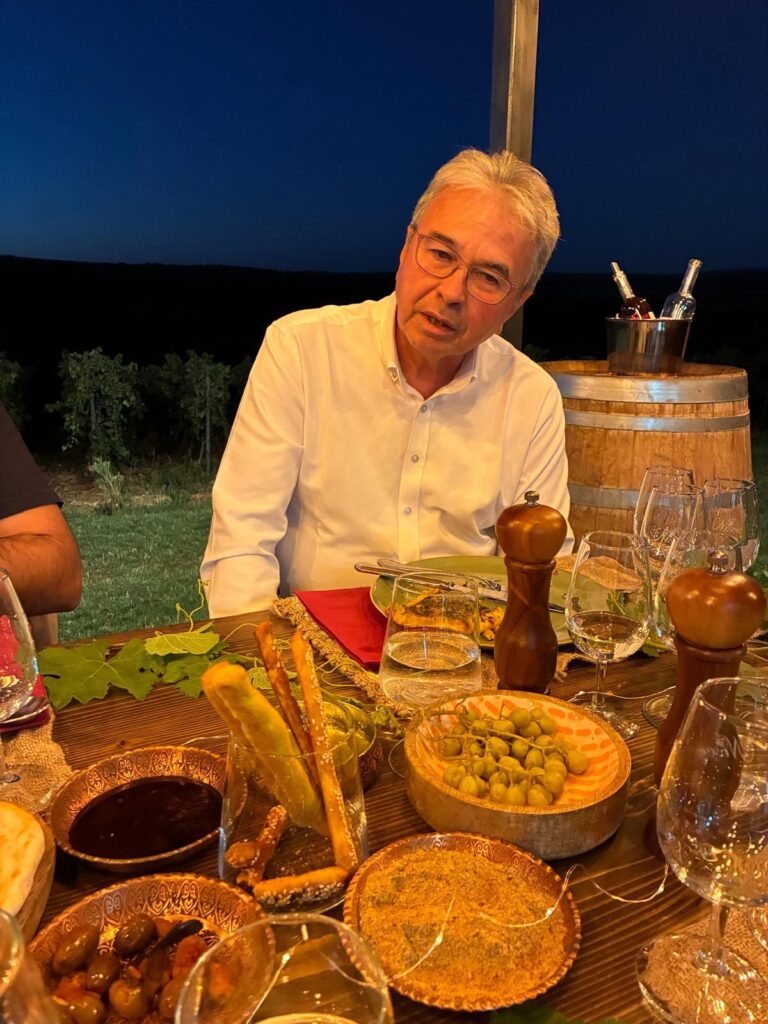
Şimdi söyleyeceğimiz sizi şaşırtmasın. Kilis’te içki servisi ruhsatı olan işletme yok. Bunu Kilisliler içmiyor diye yorumlamayın. İçkinin servisi restoranlarda değil, içenlerin kendi özel yaşam alanlarında gerçekleşiyor. Bizim gezimizin esas amaçlarından birisi, Kilis mutfağıyla Ni&ce ürünleri arasındaki bağı kurmaktır. Onun için akşam yemeğimizi Kilis merkezine kısa bir araç yolculuğu mesafesindeki bağların misafirhanesinde yedik.
Kilis Cuisine
Sofrada önce bölgenin kendi yeşil zeytinlerinin salçalı sosla hazırlanmış örneklerini tattık, yanında da zahter olarak bildiğimiz baharat karışımı ve yörenin zeytinyağı yer alıyordu. Yörenin yerel üzümü olan Rumi’den (farklı okunuşları da var: urumi, urum gibi) yapılan nefis bir turşu vardı. Ekmek alternatifi olarak yine yörenin galeta benzeri kâkesi sofranın bir parçasıydı.
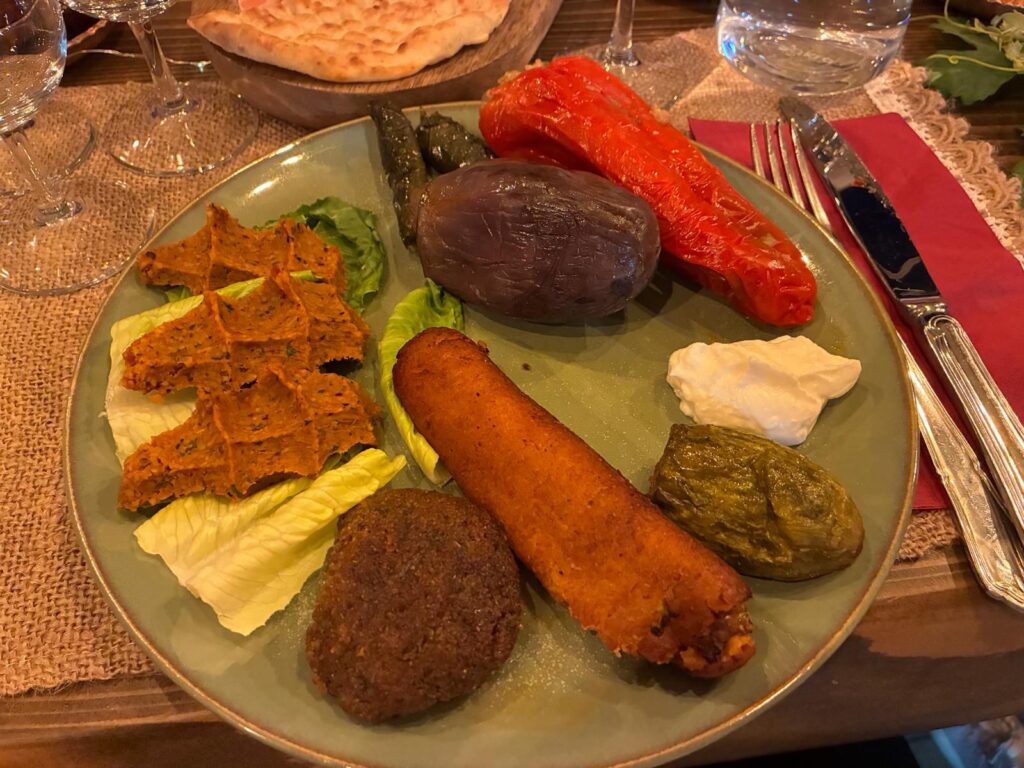
Next came the hot appetizers: çiğ köfte, kübbülmüşfiye, içli köfte, şıhılmahşi, stuffed peppers and eggplants, stuffed grape leaves, and the region’s pita.
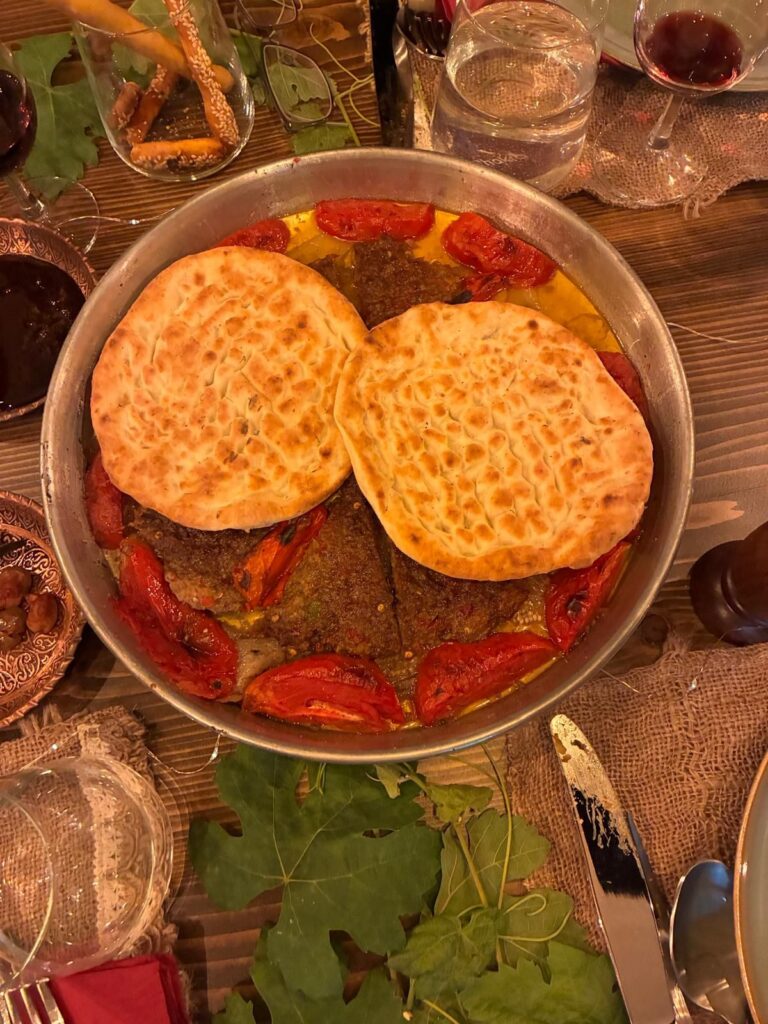
Kilis deyince akla gelen en önemli yemek Kilis tava oluyor ve Kilis tava, altının çizilmesini hak eden bir yemek. Fırında pişen yemek yuvarlak bir tepside geldi sofraya ve üçgen dilimler halinde, daha tepside yağı fokurdarken servis edildi.
Yemeğin tatlısı yörenin gözde tatlılarından, Cennet Çamuru. Antep fıstığı ve kaymakla yapılan, tatlı sevenlerin gözdesi bir kapanışla yemeği tamamladık.
Ni&ce’nin şarap üreticisi olduğunu düşünürsek, elbette bu yemeklerle Ni&ce’nin şarap portföyünün eşleşmesi de bizler için önemliydi. Ürün gamını yemeklerle eşleştirmek sorun olmasa da tatlı açıkta kaldı. Bu da gelecek için Ni&ce’ye bir ev ödevi olsun.
Oylum Höyük – Aidesim Mozaikli Bazilika – Yesemek
The star of the second day was Prof. Atilla Engin, head of the Oylum Höyük excavations. Touring both the Höyük and the nearby Mosaic Basilica, followed by the Yesemek Open-Air Museum, with his guidance was a privilege. Each of these deserves its own detailed story.
Final Word
MİRAS KİLİS, bir markanın kendisini ifade etmek için seçebileceği en anlamlı projelerden birisi. Dileriz, sektörümüzde kaynaklarını böyle projeler kullanma cesaretine sahip yönetici ve yatırımcıları olan işletmelerin sayısı artsın.
Türkiye’de yapılması zor işlerden birini yürüten şarap üreticileri hakkında daha geniş bilgi almak isterseniz, Türkiye’de Şarap Üreticileri: Antik Mirastan Modern Dönüşüme yazımızı inceleyebilirsiniz.
Kilis’in kadim bağcılık kültürü, güney teruarının yüksek alkollü yerel üzümleri ve Anadolu’nun koruma altındaki miras çeşitleri ilginizi çekiyorsa, blogumuzdaki diğer saha araştırmalarımıza da göz atabilirsiniz:
Bu benzersiz güney karakterinin Anadolu’nun yedi farklı bölgesindeki o devasa mikroklimatik harita üzerindeki yerini görmek için Anadolu’nun Teruar Haritası: Türkiye’nin Bağ Bölgeleri makalemizi inceleyebilirsiniz.
Anadolu’nun diğer köşelerinde yürütülen benzer kayıp ve nadir türleri kurtarma maceralarını okumak için Likya’nın Kayıp Üzümler Macerası: Bulmak Zor, Kayıt Altına Almak Daha Zor! and Nadir Anadolu Üzümleri: İlk Kez Ticari Şarap Olan 11 Kayıp Çeşit saha günlüklerimize göz atabilirsiniz.
Toprağın, iklimin ve yerel kökenlerin şaraptaki yansımalarının bilimsel ve felsefi olarak masaya yatırıldığı büyük sektörel buluşmalar için Kök Köken Toprak 2026 Konferansı yazımızı okuyabilirsiniz.
Kilis’in komşusu sayılan Mezopotamya coğrafyasının dünya şarap tarihindeki o ilk köklü doğuş hikâyesine tanıklık etmek için The Birthplace of Wine: The Fertile Crescent and the History of Wine içeriğimizi ziyaret edebilirsiniz.