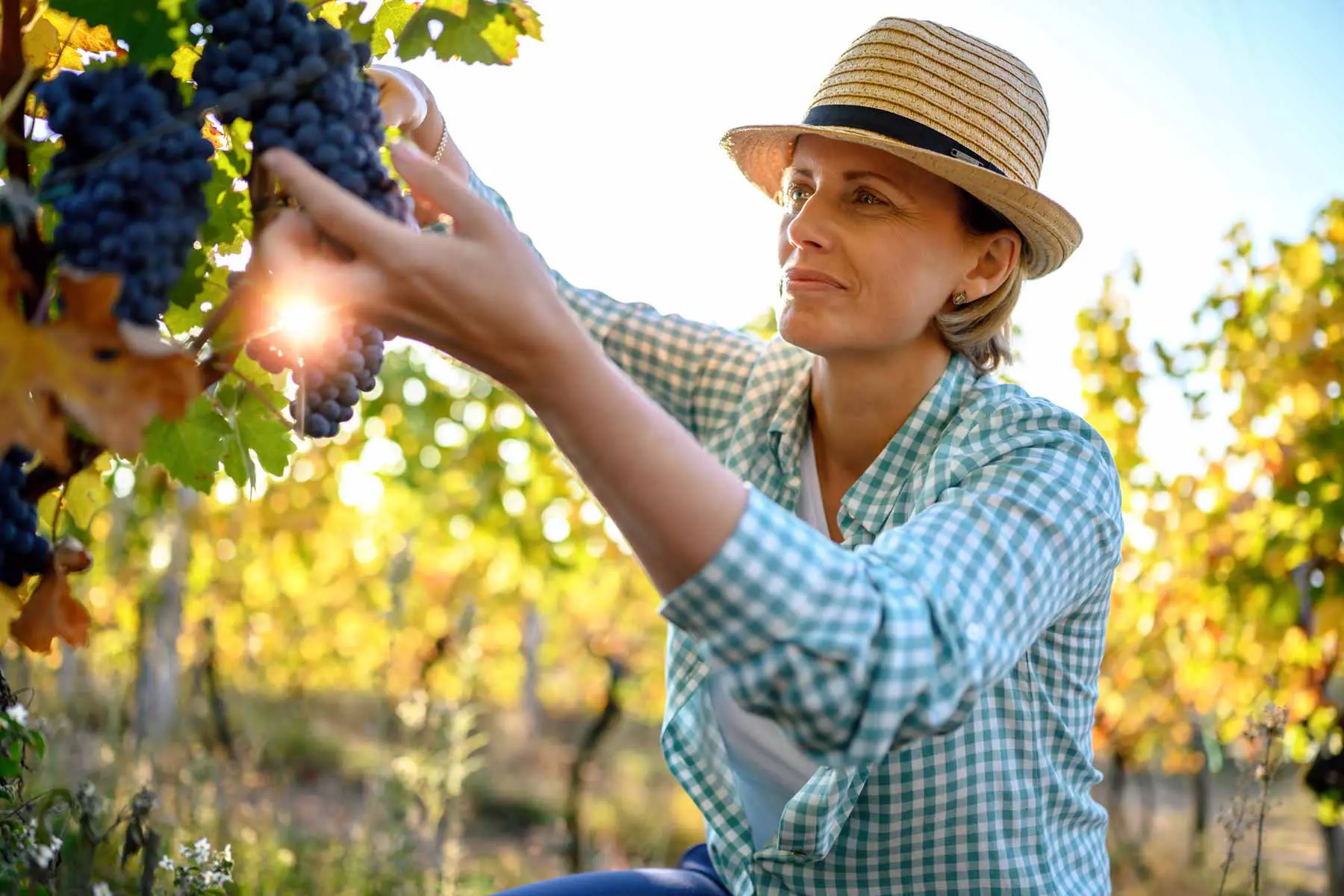
Son yıllarda kaleme alıp paylaştığımız yazıların birçoğunda büyük bir coşku var. Bu coşku neredeyse kaybedilmiş olan bir üzüm çeşidinin gözü pek bir üzüm avcısı tarafından bulunup önce koruma altına alınması, sonra da çoğaltılarak yavaş yavaş adedi çoğalan sayılarda üretilip bizlerle buluşmasından duyduğumuz memnuniyetten kaynaklanıyor. Bu mücadeleyi verip üzümleri hayata döndürenlerin nasıl mutlu olduklarını, yeni üzümlerden yaptıkları şaraplardan duydukları heyecanı ve onu şarap severlerle buluşturdukları zamanki sevinçlerini görüp paylaştığımız için çok iyi biliyoruz. Doğrusu biz de benzer duyguları derinden hissettiğimiz için bu süreci başarı olarak tarif etmekte hiçbir sakınca görmüyoruz. Bu defa odak noktamıza Misi Köyü’nün bir önoturizm merkezi olarak şansı olup olamayacağını koyduk.
We know firsthand how happy those who undertake this struggle feel. We have seen their excitement as they produce wines from these revived grapes, and their joy when those wines finally reach curious wine lovers. Because we, too, feel these emotions deeply, we see no hesitation in describing this process as a success.
Yet there is another side to this story.
Are we, perhaps, falling into a misconception when we define success this way? Have we begun to overlook the importance of simpler, quieter efforts whose purpose is not to resurrect what has been lost, but to ensure that what already exists continues to live?

Bursa: The Great City of Southern Marmara
Bursa, TÜİK raporlarına baktığımız zaman, Türkiye’nin beşinci büyük ekonomisine sahip olan ilimiz. Önemli bir yerleşim merkezi olarak kabul edilmesinin neredeyse 2300 yıllık bir geçmişi var. Osmanlı kontrolü altına girişinin üzerinden de tam 700 yıl geçmiş.
For almost two millennia, Bursa has also been a region of wine production. Extending from İznik to the western reaches of Mudanya, and anchored by Mount Uludağ, known in antiquity as Olympos Mysios, the region once found itself in a remarkable position during the phylloxera devastation of late-19th-century Europe, exporting millions of liters of wine to markets suddenly deprived of their own vineyards.
One of Bursa’s rising districts today is Nilüfer. Within it lies Misi Village, now officially called Gümüştepe Neighborhood. Archaeological traces reveal that monasteries once stood here, though only one survives today. For centuries, viticulture was an integral part of daily life in this region.
This importance continued into the Republican era. TEKEL, the state monopoly, facilitated the establishment of a cooperative to regulate grape purchases. We know that until the 1990s, wineries operated here, and that the people of Bursa consumed wines produced in Misi. The village was particularly known for its Muscat grapes, whose reputation extended beyond wine to products such as molasses.
A Visit to Misi Village
Bu ön bilgilerle donanarak Bursa’nın merkezine on beş dakika uzaktaki Misi Köyü’ne hareket ettik. Nilüfer Belediyesi’nin koruma içgüdüsüyle müzeye dönüştürdüğü Misi Evleri ve köyün merkezinde varlığını hâlâ koruyan benzer evlere bakınca, aslında orijinal hâlinin nasıl olduğunu tahmin etmekte güçlük çekmedik. Köyün içinden akan Nilüfer Çayı’nı köprüyle geçtikten sonra kendimizi köyün merkezinde bulduk.
Misi Köyü, daha önce aynı yoldan geçmiş birçok yerleşim merkezi gibi, bağlarının hepsini imara kurban vermiş ve giderek eser miktarda toprak görebileceğiniz “kente dönüşüm” sürecinin artık sonlarına yaklaşmış bir yer. Ruhsatlı şarap üreticisinin olmadığını zaten bildiğimiz Misi Köyü’nde aslında bulmayı umduğumuz, henüz canlılığını koruyan küçük bağlardı. Bunların olmadığını anlayınca, bahçelerde tektük kalmış olan ve Misi Köyüyle özdeşleşmiş Misket asmalarının peşine düşmek istedik. Heyhat, ondan da sonuç almak mümkün olmadı.
Anlayacağınız, 1990’lı yıllarda küçük miktarlarda da olsa şarap üretimi yapılan Misi Köyü’nde otuz yıl içinde bağcılık adına hiçbir şey kalmamış, yörenin yüzlerce yıl boyunca dillere destan olan Misket üzümleri yer yarılıp içine girmiş.
Başarı önce kaybedip sonra yeniden hayata döndürmek mi olmalı?
“Üzüm Avcısı” olarak isimlendirdiğimiz gönüllülerimiz var. Anadolu ve Trakya toprağında yaşamını sürdüren, kimisi tek bir omcayla da olsa soyunu sonuna kadar ayakta tutmaya adamış asmaların peşinde koşmayı, kendi görevleri olarak gören dostlarımız bunlar. Onların emekleri ve kaynakları, bizim bugün onlarca üzümle buluşmamızı, şaraplarını tatmamızı sağladı. Onların bu gayretlerine, karınca kararınca, bizim de şarap severlerle buluşturmamız gibi katkımız olması, bizim için de bir gurur kaynağı.
But must we first lose something completely before we recognize its value? Is there truly no one in the region of Bursa willing to preserve the symbolic Muscat grape of Misi Village through even a small experimental vineyard?
Bizim, kendimizde var olan güçlere giderek yabancılaştığımızı, dolayısıyla bu güçlerin olmadığını varsayarak çözümleri bizim dışımızdaki kurum ya da kişilerden beklemek gibi bir yere sıkıştığımızı fark ediyor musunuz? Misi Köyü’nde açıldığı için gurur duyduğumuz Edebiyat Müzesi’ni, Fotoğraf Müzesi’ni hayata geçirecek kaynakları yaratabilen Nilüfer Belediyesi’nin, eğer bağ ve şarap kültürüne değer veren Bursalı dostlarımızın böyle bir talebi ve girişimi olursa, Misket üzümü yetiştirecek bir koruma bağı kurulması talebine kayıtsız kalacağını düşünmek bile istemiyoruz. Ama önce Misi Köyü’nün Misket üzümünü bilen, onu yetiştiren asmaya değer veren ve onu yetiştirmekten başka çareleri olmadığının bilincinde olan şarap severlere ihtiyacımız var.
Misi Köyü Bir Önoturizm Merkezi Olabilir.
Türkiye’nin bu zor döneminde küçük farklılıklar yaratmak için bir sivil inisiyatif başlatın. Bursa’nın bugün Misi Köyü’yle, yarın Trilye’siyle üzümlerinin hayat bulduğu bağların koruma bağları olarak tesis edilmesi konusunda belediyeler nezdinde girişimlerde bulunun. Bu bağlarda yetiştirilecek üzümlerin hem şarap hem pekmez olarak işlenmesini, satışlarından elde edilecek gelirin bir döner sermayeyle bağların geliştirilmesi için kullanılmasını talep edin.
Sizlerin girişimiyle hayat bulacak Bursa şaraplarını biz de bütün dünyanın şarap severlerine duyurmak için kollarımızı sıvayalım. Bugün şarap dünyasında adı bile geçmeyen Bursa’nın, iki bin yıl boyunca yaptığı gibi, İznik’te, Mudanya’da, Trilye’de, Misi Köyü’nde üretilen ve kendinden söz ettiren Bursa şaraplarının tohumunu atalım.
Our First Step
As a symbolic beginning, we have already submitted an official application to Nilüfer Municipality. In our proposal, we outlined both the cultural significance and the potential economic benefits of establishing a conservation vineyard.
We encourage you, as citizens, to submit your own applications as well.
The impact of such a step may not be fully visible today. But for future generations, it could prove invaluable.
The question is simple:
Are you willing to be part of it?
Anadolu’nun diğer bağ coğrafyalarını, iklim ve toprak karakterlerini keşfetmek için Türkiye Bağ Rotaları ve Şarap Tadımı Etkinlikleri ana rehberimizi inceleyebilirsiniz.