Ülkemizdeki örnek sayısı henüz çok olmasa da artık natürel şaraba ilginin ve natürel şarap çeşitlerinin arttığını gözlüyoruz. Hatta bu artıştan aldığımız güçle WAYANA Şarap Menüsü’nün son güncellemesinde Natürel Şaraplar başlıklı yeni bir bölüme yer verdik. Böylece sayfaların içinde dağınık duran natürel şarapları meraklı şarap sever konuklarımızın bir çırpıda görmesini sağlamak istedik. Artık Kadıköy’deki WAYANA şarap evimizde natürel, yani müdahalesiz şarap tutkunları Türkiye’de üretilen natürel şaraplarla kadeh kadeh buluşma fırsatına sahip olacak.
Fermante bir içecek olan şarap, hangi koşullarda Natürel Şarap gibi özel bir unvan taşımayı hak eder? Ya da daha basit bir deyişle, natürel şarap nedir?
Endüstriyel İllüzyonun Ötesi: Şarabın Çıplak Hakikati
Natürel şarap hareketi, özünde modern enolojinin o steril, kimyasal ve manipülatif laboratuvar müdahalelerine karşı yükselen dikey bir felsefi başkaldırıdır. Endüstriyel şarapçılık, tektip aromalar yakalamak, raf ömrünü yapay olarak uzatmak ve her rekoltede aynı standart lezzeti sunabilmek adına ticari şaraplara enzimler, yapay asitler, berraklaştırıcı ajanlar ve yüksek dozda kükürt dahil olmak üzere onlarca yasal katkı maddesi enjekte etmektedir. Oysa natürel şarapçılık, kadehteki sıvıyı tüm bu endüstriyel yapaylıklardan arındırarak onu kendi çıplak hakikatiyle baş başa bırakır. Bu yaklaşım, şarabı kusursuz ve steril bir fabrika ürünü olmaktan çıkarıp, doğanın o yılki neşesini, kuraklığını, sarp yamaç rüzgârlarını ve toprağın dürüst parmak izini taşıyan yaşayan birer sanat eserine dönüştürür.
Teruarın Canlı Hafızası: Bağdan Kadehe Müdahalesiz Akış
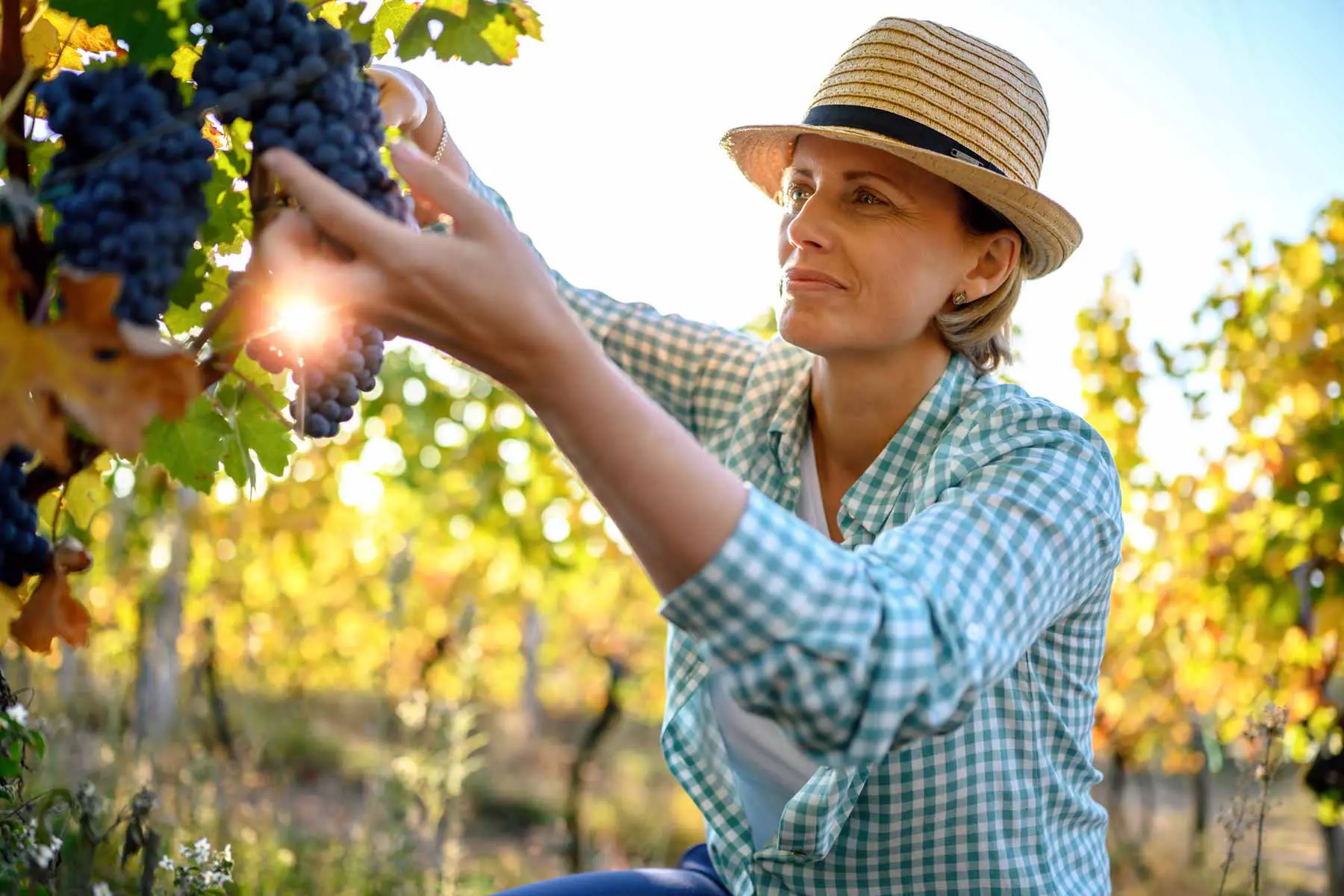
Bir şarabın “doğal” olarak nitelendirilebilmesinin ilk ve en sarsılmaz şartı, bağda yürütülen tarım metodolojisinin doğaya tam bir teslimiyetle şekillenmesidir. Sentetik pestisitlerin, yabani ot zehirlerinin ve kimyasal dopinglerin kullanılmadığı organik veya biyodinamik bağ alanları, toprağın alt katmanlarındaki mikoriza ağlarını ve canlı mikroorganizma biyoçeşitliliğini korur. Müdahalesiz bağcılık pratikleriyle büyüyen asmalar, toprağın mineralliğini tanelerine dikey olarak akıtırken, kabuklarında da o yöreye has zengin bir flora biriktirir. Mahzende de bu akışın korunması; sıvının hiçbir teknolojik zorlamaya, aşırı filtrasyona veya santrifüj şoklarına maruz kalmadan kendi doğal ritmiyle olgunlaşması demektir. Natürel şarap, asmanın toprağa fısıldadığı o gizemli ve canlı hafızayı hiçbir sansüre uğratmadan kadehe taşıyan en dürüst köprüdür.
Önce hemen söyleyelim ki Natürel Şarap ile ilgili temel bir regülasyon yok. Örneğin, organik şarap dediğimiz zaman bu şarabın sahip olması gereken özellikler ve üretimi esnasında uyulması gereken kurallar tarif edilmiş. Etiketinde organik şarap yazabilmesi, bu şartlara uyularak üretim yapılması ve sürecin belgelenmesiyle mümkün. Ama Natürel Şarap için böyle bir süreç ve belgeleme zorunluluğu henüz yok.
Dilerseniz önce şarap tarihine kısaca göz atarak şarabın tarihsel yolculuğunu hızlı bir film seyreder gibi hatırlayalım, sonra da natürel şarabın üretim esaslarını gözden geçirelim. Yabanî asmanın ve meyvesi olan üzümün geçmişinin 66 milyon yıl öncesine kadar uzandığını fosillerden biliyoruz. Bizim de bir parçası olduğumuz HOMO canlı türü ise yaklaşık 3 milyon yıllık bir geçmişe sahip. Yani, asmanın ve üzümün zaten var olduğu bir ortamda evrilmiş türümüz. İlk insansıların ortaya çıktığı zamandan sabit yaşama geçinceye kadarki milyonlarca yıllık zaman dilimine Paleolitik Dönem diyoruz. Bu dönemde beslenmemizi avlanarak ve besin toplayarak sağladığımız için ana özelliklerimiz avcı ve toplayıcı olmamızdır. Avcı-toplayıcı dönemdeki doğal besinlerimizden birinin de yabanî üzüm olduğu konusunda hiç kuşku yok. Ama atalarımızın yaban üzümünden doğal yollarla fermantasyona uğrayıp alkollü içecek haline dönüşen şarapla ilk kez ne zaman tanıştığını bilemiyoruz.
Günümüzden yaklaşık 12 bin yıl önce atalarımız sabit yaşamı daha cazip bularak yaşamlarını kendi inşa ettikleri köy ve kentlerde sürdürmeyi tercih etmişler. Bu yeni zaman dilimine Neolitik Dönem diyoruz. Önceden doğadaki ağaçlarda kendiliğinden yetişen meyveler ve tohumlarından yararlandıkları bitkilerle yetinirlerken, yeni dönemde bu bitkileri kendi denetimlerinde yetiştirmeye başlamışlar. Farklı türleri karşılaştırarak daha verimli olanları tercih etmeye, bakımlarını yaparak verimlerini artırmaya başlamışlar. Bu değişime paralel olarak öncelikle tahılların ve asmanın evcilleştiğini ve günümüze kadar da varlıklarını sürdürerek tarıma uygun evcil halleriyle besin zincirimizin içinde yer aldığını görüyoruz.
Vines that have existed in nature for millions of years have also had their share of this change and have evolved into the vines that we grow and make wine from today. We see that experts in this field can distinguish wild and domesticated grapes by looking at their seed shape characteristics. Grapes can be consumed fresh or processed and stored for later consumption. Raisins, which lose their water by drying in the sun, become a durable food throughout the seasons. Molasses is obtained by chemically changing with heat. It becomes wine that is enriched with alcohol through fermentation.
Yerleşik hayata geçen atalarımızın somut örnekleri, günümüzden sekiz bin yıl önceye uzanan şarap kalıntıları, arkeologların araştırmaları ortaya çıkardı. Bu şarap kalıntılarının hangi üzümden yapıldığını anlamamız elimizdeki donanımla bugün henüz mümkün değil. Ama kim bilir, belki ilerleyen günlerde bu detayı da ortaya çıkaracak araçlara kavuşuruz, cevaplarımızı buluruz.
İzleyen yazımızda Natürel Şarap üretimiyle paralelliklere sahip olan tarihsel akış içinde şarap imalatının süreçlerine ayıracağız.
BÖLÜM 2: Mikrobiyoloji ve Fermantasyon Sırları
Laboratuvar mayalarının reddini, vahşi suşların o eşsiz spontan senfonisini ve şarabı filtrelerle hırpalamayan durultmasız enoloji tekniklerini incelemek için serimizin ikinci bölümüne geçiş yapın.
BÖLÜM 3: Sülfit Tartışmaları ve Gelecek Projeksiyonu
Şarapta kükürt (SO2) kullanımı üzerindeki o ödünsüz radikal sınırları ve koruyucusuz canlı şarapları saklamanın o zanaatkar organik risklerini öğrenmek için serimizin final bölümünü ziyaret edin.