Paşaeli Şarapçılık’ın kurucusu Seyit Bey’le tadım etkinliğinin tarihinde mutabakat sağladıktan sonra sıra, tadım öncesinde Paşaeli’ye yapacağımız ziyaretin planlamasına geldi. Doğrusu, bu ziyaretlerdeki ev sahibimizin üretimden bir arkadaşımız olmasını tercih ediyoruz. Bağların, hasadın, üretim esnasında verilen kararların altında imzası olan teknik ekiple geçirdiğimiz zaman, işleyişi çok iyi anlamamızı sağlıyor. Bu ziyaretimizde de Paşaeli Şarapçılık’ın tarif edilen felsefesinin süreçle ne kadar bütünleşmiş olduğunu görme fırsatımız oldu.
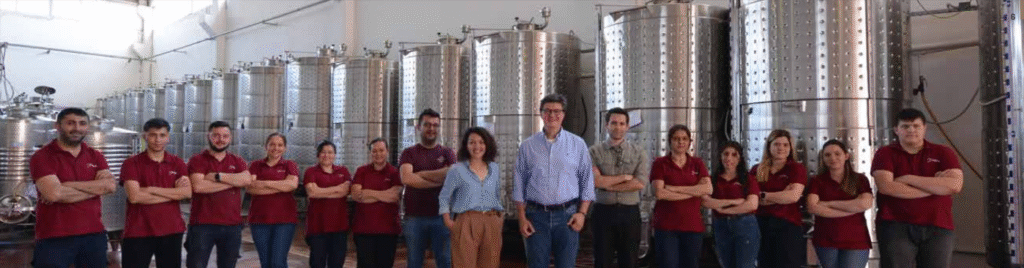
Paşaeli Şarapçılık’ın üretim tesisinde ev sahibemiz Işık Gülçubuk’tu, ama sonradan iki ev sahibemiz oldu, Tuğba Hanım da bize katıldı. Bu yazı, onlarla birlikte geçirdiğimiz yaklaşık dört saatlik sohbetin sonucu.
Paşaeli Şarapçılık mı? Paşaeli Şaraphanesi mi?
Şaraphane sözcüğü dilimizde “winery” için kullanılıyor, fakat sonundaki ‘hane’ ekiyle şarap evini de çağrıştıran bir yanı var. Ama yine de şaraphane, sıcak yanı olan bir sözcük, üretim deyince akla gelen o mekanik çağrışımları ortadan kaldırıyor, belki de bu satırları yazana öyle geliyor.
Işık Gülçubuk’la önce telefonla tarih belirledik ve 17 Kasım Pazartesi günü için anlaştık. Önceden uyardım: bu ziyaretin daha önceki deneyimlerimle 3,5-4 saat sürdüğünü, onun iş zamanından bunu çalacağım için aslında tedirgin olduğumu söyledim. Gerçekten de öyle oluyorum. Ama etkinliğe gelen katılımcı şarap severlerin üreticiyi tanıması açısından bu ziyaretin ne kadar değerli olduğunu da artık biliyoruz.
Paşaeli’s facility is in Tire, inside an Organized Industrial Zone with a rather intriguing name: İbn-i Melek OSB. I flew to İzmir in the morning and headed straight to Tire.
The Facility
Genellikle ziyaret ettiğim üretici dostların tesisleri bağlarıyla iç içe. Yani, Fransızların bize kazandırdığı bir terimle şato bağcılığı yapılan şaraphaneler. Paşaeli ise en başından beri aslında Organize Sanayi Bölgesi’nde olmayı tercih etmiş; burası Kemalpaşa’dan sonraki ikinci yeri. Gitmeden önce benim zihnimde canlanan ve doğrusu tedirgin eden görüntüden çok daha sıcak bir organize sanayi kompleksiyle karşılaşmam beni şaşırttı ve sevindirdi. Şarabı bir fabrika ürünü olarak görmeyi ve mal olarak kabul etmeyi herhalde sevmediğim için kendimi rahatlamış hissettim.
Paşaeli Şarapçılık’ın Doğumu:
Uzaktan bakıldığında, şarap virüsünün damarlarına girmesiyle Seyit Karagözoğlu sektöre adım atmış, ama şarap ithalatıyla işe başlamış. Kısa bir süre sonra gönlünde yatan aslan kontrolü ele geçirip bugünkü Paşaeli’ne uzanan sürece geçilmiş.
As we all know, companies ultimately take the shape of their founders. Looking back at Paşaeli’s past, you see a philosophy built on innovation and forward thinking. Like many producers, Paşaeli began with international varieties but soon realized the real treasure was at home. Thankfully so. Because the portfolio that gives Paşaeli its strength and direction today is built on these local grape riches.
Paşaeli Şarapçılık’ın Bağları:
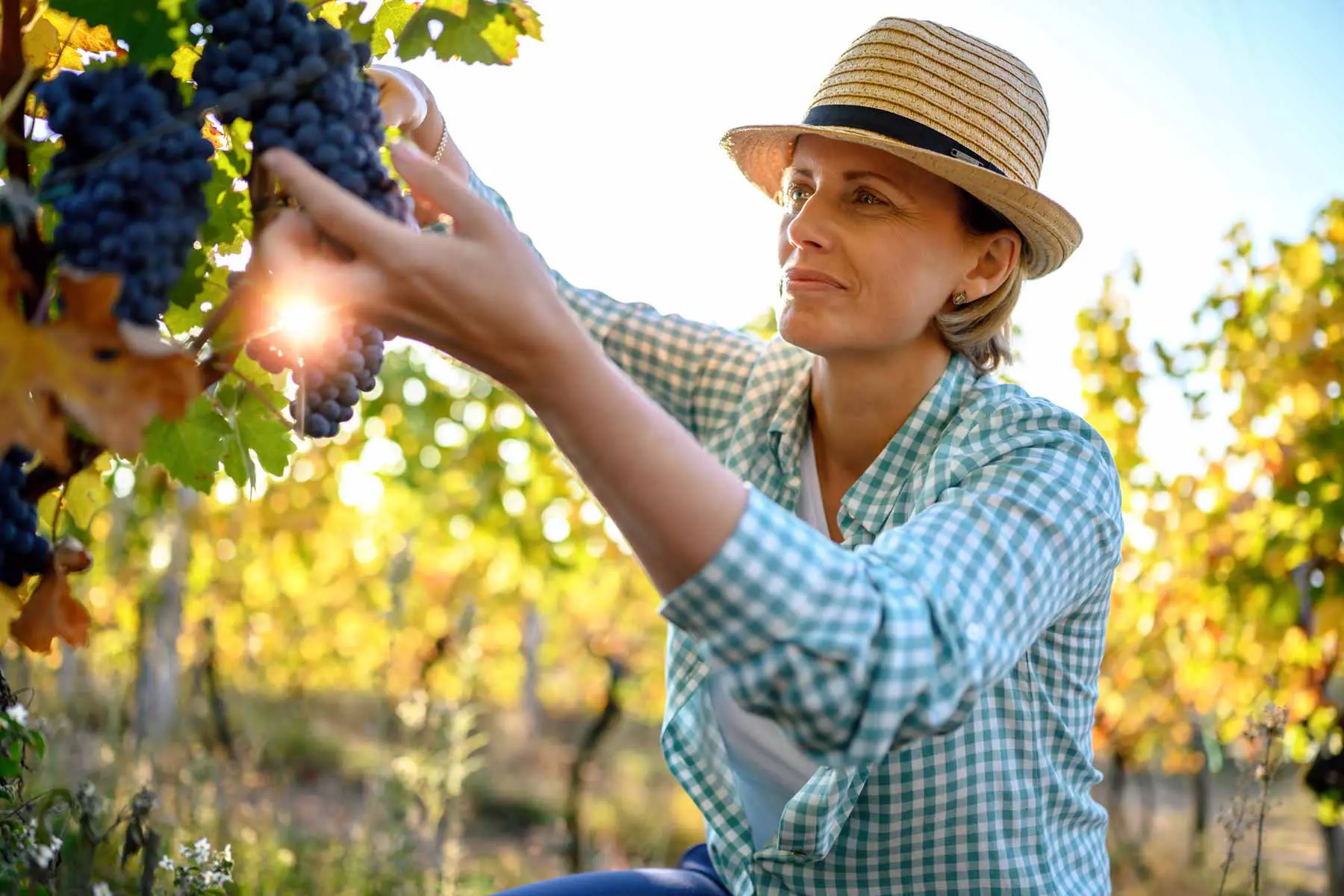
Paşaeli’nin ülkemizin batısında beş ayrı bölgede bağı var. Trakya’da birbirine yakın Hoşköy ve Şarköy bağları Yapıncak ve Kolorko asmalarına ev sahipliği yapıyor. İzmir’deki Kaynaklar, uluslararası üzümlerin yetiştirildiği bağlar ve iki önemli şarap: K2 ve Kaynaklar, bu bağların üzümleriyle üretiliyor. Çalkarası ve Öküzgözü üzümleri için Denizli-Çal’da bulunan üç farklı bağ ile Çanakkale-Gedik’teki Karasakız ve Sıdalan bağlarıyla mevcut bağlar tamamlanmış oluyor.
Paşaeli’nin ilk diktiği Kaynaklar Bağları artık 20 yaşın üstünde. Daha sonraki bağlarsa bağ olarak alınıp ıslah edilenler. Bunlar arasında uluslararası standartlarla Old Vine olarak kabul edilen 35 yaş üstündeki asmaların bulunduğu bağlar artık çoğunlukta. Günümüzün zorlaşan şarap sektöründe Paşaeli’ni ayırt eden başlıklardan birisi de bu.
Paşaeli Şarapçılık’ın Şarapları:
A look at their timeline shows an important shift not long after their early cuvées made from international grapes. Their local grape adventure began with Papaskarası and expanded with varieties then barely known: Yapıncak, Karasakız, and Kolorko. To these they added Çakal, a grape that had nearly vanished.
You also see their innovative spirit in the styles they explore. Turkey’s first pet-nat wines were made from Sıdalan and Yapıncak grapes. (Pet-Nat being the ancestor of sparkling wines.) Their naturally fermented wines, produced without added yeast, form a separate series in the portfolio.
The Emir grapes come from Cappadocia, and the Semillon from a remarkable vineyard in Tekirdağ—planted in 1923. Hearing that gives you chills.
Işık Gülçubuk, satışların yaklaşık %30’unun ihraç edildiğini söyleyince, doğrusu çok seviniyorum. Telaffuz edilmesi zor adı olan üzümlerimizin yabancı şarap severlerde yarattığı şaşkınlık gülümsetiyor beni. Bir başka üretici dostumuza Viyana’daki bir etkinlikte Avusturyalıların söyledikleri geliyor aklıma: “Türkiye şarapları bizim için bilinmez bir kara delik.” Bu kara deliği aydınlatmak için mücadele edenlerden birisi de Paşaeli.
Final Word
Bu gezilerin birinci amacı, konuğumuz olan üretici dostları tarafından katılımcı şarap severlere çok yönlü olarak anlatılabilmek gibi görünüyor; doğru. Ama giderek aslında şarap üretmenin bu denli zora koşulduğu ülkemizde yılmadan ve sabırla bu işi sürdürmeyi değerli bulan şarap üreticilerine duyduğumuz saygının da bir ifadesi olduğunu görüyoruz.
To all the producers fighting this good fight with the kind of determination Paşaeli shows, we offer our affection and our admiration.
Türkiye’de yapılması zor işlerden birini yürüten şarap üreticileri hakkında daha geniş bilgi almak isterseniz, Türkiye’de Şarap Üreticileri: Antik Mirastan Modern Dönüşüme yazımızı inceleyebilirsiniz.
İlginizi çekebilir:
- Türkiye’de şarap yapımcısı (Winemaker) olarak yaşamını sürdüren iki kadın profesyoneli daha yakından tanımak isterseniz, Türk Şarap Sektörünün İki Aydınlık Yüzü yazımız ilginizi çekebilir.
- Farklı bölgelerin kendine has özelliklerinin şaraplara katkılarını ve yörelerin özelliklerini Anadolu’nun Teruar Haritası yazımızda inceleyebilirsiniz.
- Sektörün farklı segmentlerinden ve farklı disiplinlerden profesyonellerin fikir ve araştırmalarını Kök Köken Toprak 2026 Konferansı özet değerlendirmeleriyle özden geçirebilirsiniz.