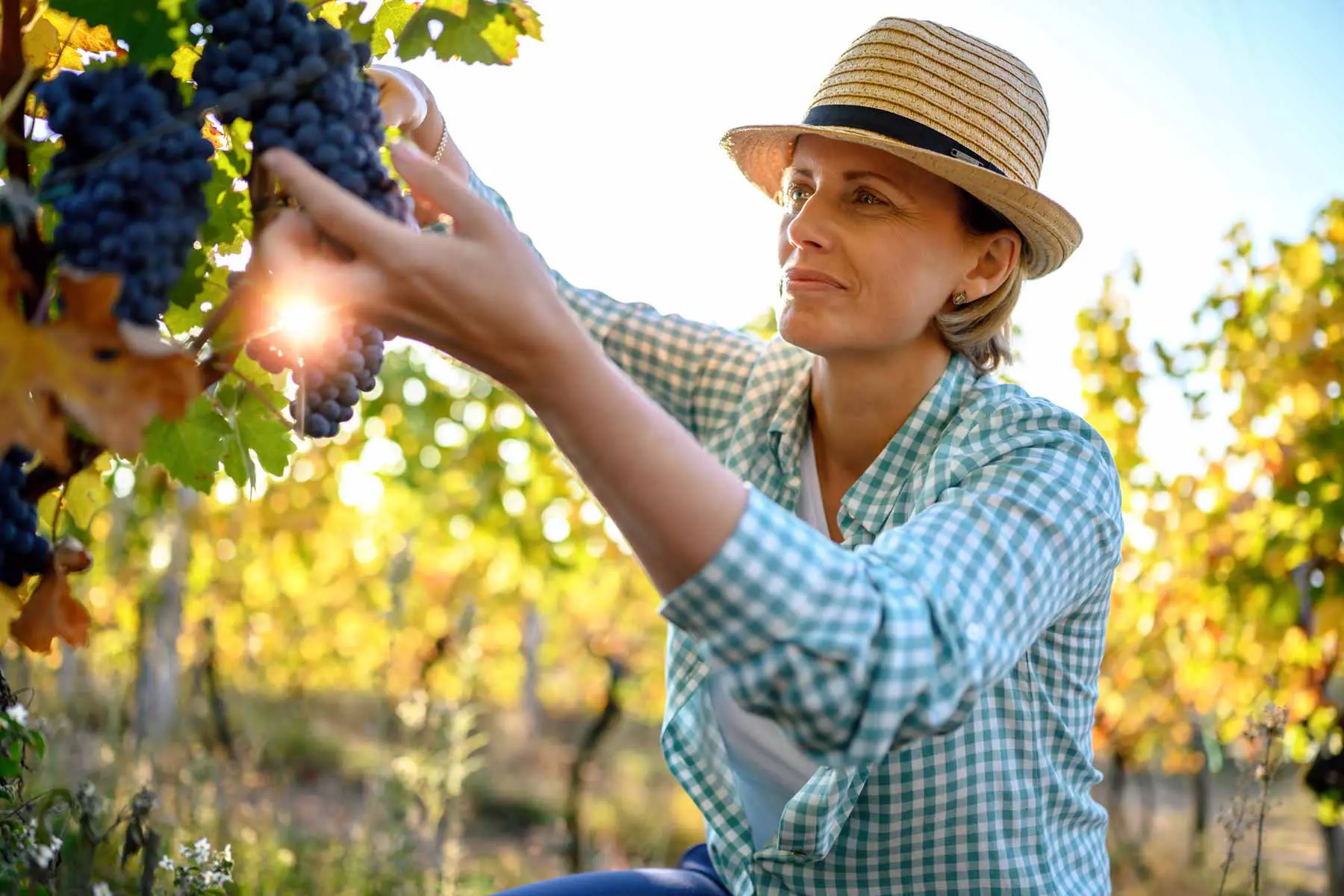
Paşaeli’nin iki kadın wine-maker’ı ile harika bir sohbetimiz oldu.
17 Kasım Pazartesi sabah uçağıyla önce İzmir’e, oradan da İzmir’in Tire ilçesindeki İbn-i Melek Organize Sanayi Bölgesi’ne yolculuğum kapıdan kapıya yine beş saat sürdü. Arabayla da gelsem aslında süre aynı olacaktı muhtemelen ama aynı gün gidip dönmek çok da gerçekçi gibi gözükmemişti doğrusu. Sonuçta öğle saatinde Paşaeli Şaraphanesi’nin kapısında Işık Gülçubuk’la buluştuk. Daha Paşaeli’yi konuşmaya başlamadan Işık’a örtülü niyetimden bahsettim ve Paşaeli çalışmamızı bitirince “Türkiye’de Kadın Wine-Maker Olmak” konulu sohbetimiz için ne düşündüğünü sordum. “Elbette,” dedi, aslında gözünün parlaması devam ederek, “Hatta Tuğba’yı da dahil edebilir miyiz?” dedi. Bir ararken iki wine-maker bulmaktan güzeli var mı? “Eğer Tuğba da isterse harika olur,” dedim ve bu yazı bu sohbetle ortaya çıktı.
Türkiye’de Wine-Maker Nasıl Yetişiyor?
Şarap üretimi dışarıdan bakıldığında romantik bir meslek gibi görünse de, başarılı bir wine-maker olmanın arkasında uzun yıllara yayılan yoğun bir eğitim ve deneyim süreci bulunur. Yolculuk çoğu zaman gıda mühendisliği, kimya, ziraat veya biyoloji gibi temel bilimlerle başlar. Üniversite eğitiminin ardından laboratuvar çalışmaları, bağ yönetimi, fermantasyon süreçleri ve duyusal analiz gibi farklı alanlarda uygulamalı deneyim kazanılır.
Ancak teknik bilgi tek başına yeterli olmaz. Günümüzde birçok genç Türk wine-maker, Fransa, İtalya, Almanya, Avustralya, Yeni Zelanda, Güney Afrika ya da Amerika Birleşik Devletleri gibi farklı bağcılık ülkelerinde hasat dönemlerine katılarak farklı iklimleri, üzüm çeşitlerini ve üretim anlayışlarını yerinde öğreniyor. Böylece yalnızca şarap yapım tekniklerini değil, farklı bağcılık kültürlerini ve üretim felsefelerini de deneyimleme fırsatı buluyorlar.
Türkiye’ye döndüklerinde ise bu uluslararası birikimi Anadolu’nun yerel üzümleri ve teruarıyla buluşturuyorlar. Bugünün yeni kuşak wine-makerlarını önceki kuşaklardan ayıran en önemli özelliklerden biri de tam olarak bu: Dünyadan öğrenirken kendi coğrafyasının potansiyelini keşfetmeye ve geliştirmeye odaklanmaları. Bu yaklaşım, yalnızca daha nitelikli şaraplar üretmekle kalmıyor; aynı zamanda Türk şarapçılığının uluslararası görünürlüğünü artıran en önemli unsurlardan biri hâline geliyor.
Işık Gülçubuk ve Tuğba Yılmaz’ın kariyer yolculukları da bu yeni kuşağın ortak özelliklerini yansıtıyor: Güçlü bir bilimsel altyapı, uluslararası deneyim, sürekli öğrenme isteği ve bu birikimi Anadolu’nun üzüm mirasına katkı sağlayacak şekilde değerlendirme arzusu.
Wine-Maker olma fikrinin doğuşu
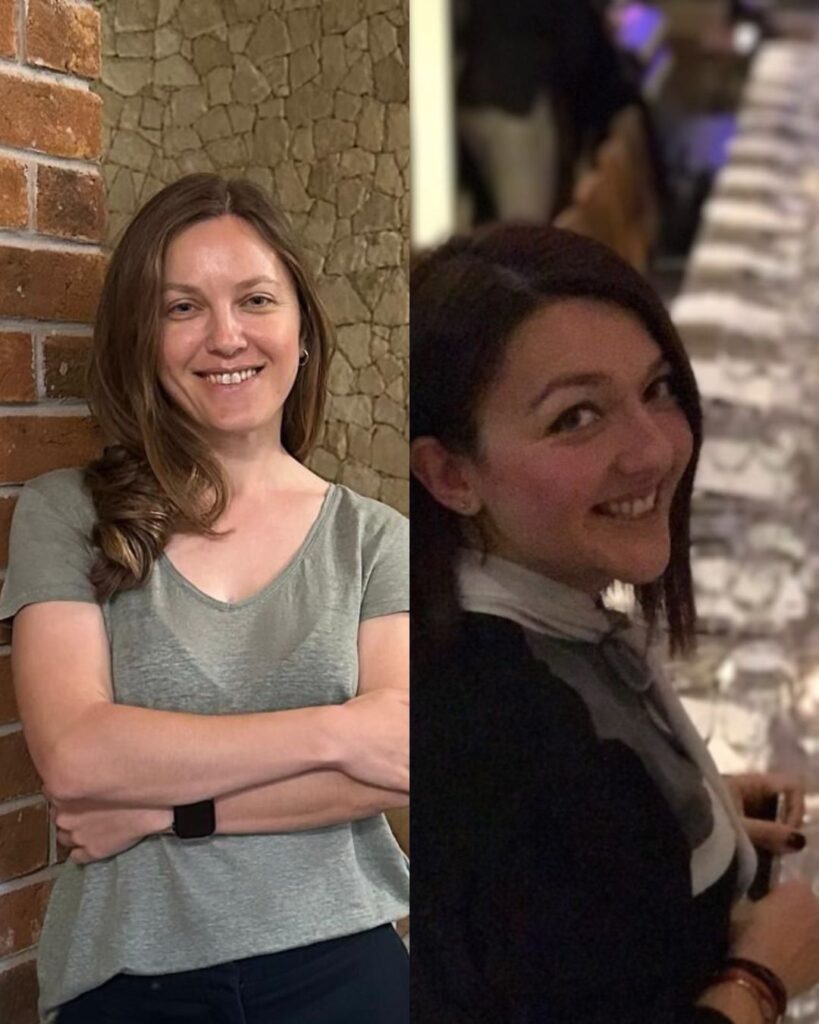
Sohbetin ilk sorusu “Nasıl Bir Süreçle Wine-Maker Olmayı Seçtin?” oldu, tahmin edebileceğiniz gibi. İlk cevap Işık’a, ikincisi Tuğba’ya ait.
- Ben Ege Üniversitesi’nde Gıda Mühendisliği okudum. Bitirme tezim şarap üzerineydi. (gülümseyerek) Demek ki o zaman böyle tezler yapılabiliyordu. Türkiye daha farklıydı. Bizim üniversitemizde ufak bir şarap tesisi vardı. Kapandı şimdi o. Artık öyle bir tesis yok. Biz bayağı fermantasyon yaptık, sonrasında da şarapları değerlendirdik. O günkü şaraplara bugün bakınca aslında sirke yaptığımızı anlıyorum ama süreci öğrendik. Sonra çalışmaya başladım ama çalışma hayatım komik. İlk işyerim Fersan, yani ana ürünü sirke. Orada ARGE sorumlusu olarak işe başladım. Tam da o sıralarda İzmir’de Yunus Emre Kocabaşoğlu’nun şarap tadımı başlamış. Çok yakın arkadaşlarımdan birisinin babası Cumhuriyet gazetesinden bir kupür kesip bana verdi: “İzmir’de şarap tadımları başlıyor,” diye. Bunu anlatıyorum çünkü bunların hiçbirisi artık bugün yok. Arkadaşımın babası “Kızım, sen bunu seviyorsun, zaten tezini de bunun üzerine yapmışsın, meraklısın, belki hoşuna gider diye veriyorum,” dedi. Ben hemen aradım. Bir ay sonra başlıyorlarmış. Ben hemen yazıldım kursa. Ve esas serüven ondan sonra başladı. Hep rahmetle anıyorum Yunus Emre Kocabaşoğlu’nu. Onun ilk iki kurunda genel şarap anlatımı oluyordu. Beyaz, roze, kırmızı, tatlı şaraplar ve köpüklü şaraplar diye. İlk defa Moscato d’Asti tattım. Dedim ki ben bayıldım buna, koli koli içerim. Sonra devam ettim ama eğitim ucuz değil. Ben çalışıyorum, kazandığımı da kursa veriyorum. Neredeyse iki yıl boyunca kurslara devam ettim. Ben kafamda diyorum ki bu sektörde iş yapabilirim. Bir yandan İstanbul’da iş başvurularına başladım. O dönemde Fransa’da bir yarışma vardı: Wine Women Award adında, artık ne yazık ki yapılmıyor. Orada amatör ve profesyonel diye iki kategori var. Bu yarışma için önce bir niyet mektubu gönderdim. İlk aşamayı geçtim. Ondan sonra çok detaylı bir soru listesi gönderdiler. Soru listesinin cevaplarını yazdıktan sonra Yunus Emre Kocabaşoğlu’yla üzerinden geçtik. O da birazcık dokundu. Ben cevabı gönderdim. Beni amatör kategoride finalist olarak Paris’e davet ettiler. Benim hayatımı değiştiren aslında bu yarışma oldu. Orada tanıştıklarım arasında yüksek lisans yapanlar vardı. Ben de Fransız yüksek lisans programlarını araştırmaya başladım. O araştırmalar sonucunda Montpellier SupAgro’da bağcılık-şarapçılık eğitimi almaya karar verdim. Sonra her şey çok hızlı ilerledi. Şubat’ta Fransa’ya gittim, bir sonraki sene Eylül’de artık okumaya gittim. İki farklı master programı vardı; ben Montpellier’yi seçtim. Vinifera Master programı iki kademeden oluşuyor. Bir sene Montpellier’de, ikinci seneyi siz seçiyorsunuz. Ben ikinci sene İspanya’ya gittim, tezimi de orada yaptım. Tez konum şarapta tortu üzerineydi. (Bana bakıp ekliyor: “Aşağıda size de bolca anlatmıştım,” diyor.) Sonra yurt dışında kalmaya devam ettim. Château Lafite’te staj yaptım. Sonra İspanya’da bir danışmanla çalıştım. Zaragoza bölgesinde baba-oğul birlikte çalışan ve 15-20 şaraphaneye hizmet veren bir küçük şirketti. Sonra Yeni Zelanda’ya gittim, orada bir hasat yaşadım. Sonunda Amerika’ya gittim. NAPA Vadisi’nde bir seneye yakın kaldım.
- Were these moves initiated fully by you?
- Evet, hepsine kendim başvurdum. Yeni Zelanda’ya gidince zaten mevsim değişiyor. Aynı yıl iki hasat yapabiliyorsunuz. Yeni Zelanda’da büyük bir şaraphanede çalıştım, ölçeği görmek için. Ondan sonra büyük şaraphanelerde çalışmayı hiç istemedim. Sonra Bordeaux’da çalıştım ama Bordeaux hep kırmızıyla bilinir; ben kırmızıdan ibaret olmayan bir yerini seçtim. Bir şey daha ekleyeyim. İspanya’da ilk kez baba-oğul danışmanlarla tanıştığımda İspanyolca bilmiyordum. Jorge’nin babası da İngilizce bilmiyordu. Daha sonra onları ziyarete gittiğimde İspanyolca öğrenmiştim. Babası beni bir kenara çekti: “Kızım, sende iyi bir burun var, yaptığın işi de iyi yapıyorsun. Ama senin gibi burada çok insan var. Senin ülkende senin gibilere çok ihtiyaç var. Sen kendi ülkene bakmalısın,” dedi. Bunun bendeki etkisi büyüktür. Bana hep soruyorlar “Niye döndün?” diye. Burada çok güzel şeyler yaptığımızı düşünüyorum, çok daha iyisini de yapabileceğimize inanıyorum. Buradaki potansiyeli gördüğüm için döndüm ben.
- Peki, senin sektöre girişin nasıl oldu, Tuğba?
- Ben Çanakkale 18 Mart Üniversitesi’nde kimya okudum. Okul bitti ama hiçbir şey bilmiyoruz. Ben en iyisi ilaç sektörüne gireyim dedim. Bir de dışarıdan işletme okuyayım, bana faydası olur diye düşündüm. İşletme okudum, KPSS çalıştım harıl harıl, derken birden kendimi Suvla’nın laboratuvarında buldum. O zamana kadar şarapla hiç işim yok. İki yıl boyunca laboratuvar sorumlusu olarak analizlere baktım. Suvla’da bir Türk önolog vardı. Eğitimini Amerika’da yapmış, sonra gelmiş, onunla birlikte çalışıyorduk. Eda Hanım’ın eşi Ankara’da, sonunda bıraktı, bana da “Benim işimi artık sen yapacaksın,” dedi. Bir ay beraber çalıştık, işleri bana devretti, kendimi üretimde buldum. İki yıl da üretimde çalıştım, sonra ayrıldım. Ondan sonra komşu üretici Asmadan’a geçtim. Esas işin içine orada girdim, 2018 yılında. Asmadan’ın çok küçük bir kapasitesi vardı. Kış ayları çok sakin geçiyordu. Bütün dünyada bu iş yapılıyor. Gidip ben de oraları göreyim dedim. Başvurular yaptım ama pandemiyle sınırlar kapanınca gidemedim. 2022 yılında Margaret River’a yaptığım başvurudan sonra bir görüşme yaptık. Olumlu sonuçlandı. 2023 Ocak ayında Avustralya’ya uçtum. Tesisler belki uzay üssü gibi, ama biz burada çok çok çok daha özenle çalışıyoruz. Onu da görünce içim rahatladı. Sonra Türkiye’ye döndüm, yani burada kaldım. Bu yıl, yani 2025 yılının haziran ayında Asmadan’dan ayrıldım. Biraz tatil yapayım istedim, azıcık yaptım, sonra da kendimi Paşaeli’nde buldum. Üç aydır buradayım. Işık Hanım’la birlikte şarapları yaptık, bugün de sizinle tattık.
Türk şarap sektörü çok küçük. Toplam ruhsat sahibi 165 üreticimiz var. Bu işletmelerde çalışan bir avuç profesyonel, canla başla çalışarak girdikleri yarışmalardan harika sonuçlar alarak dönüyorlar. Sektörün bir özelliği de kadın çalışanın çoğunlukta olması. Işık’la Tuğba’ya sorduğum bir başka soru “Türkiye’de kadın wine-maker olmak için ne söyleyebilirsiniz?” diye sorduğumda aldığım yanıt içimi burkmuştu: “Türkiye’de kadın wine-maker olmakta hiç sorun yok. Ama kadın olmak zor.”
Bu yazı ilginizi çektiyse, aşağıdaki yazıların da üzerlerine tıklayarak göz gezdirebilirsiniz.
Paşaeli Şarapçılık: WAYANA’da Bir Üreticiyi Yakından Tanımak
Eceabat’taki Şarap Kültürü Vahası: Asmadan