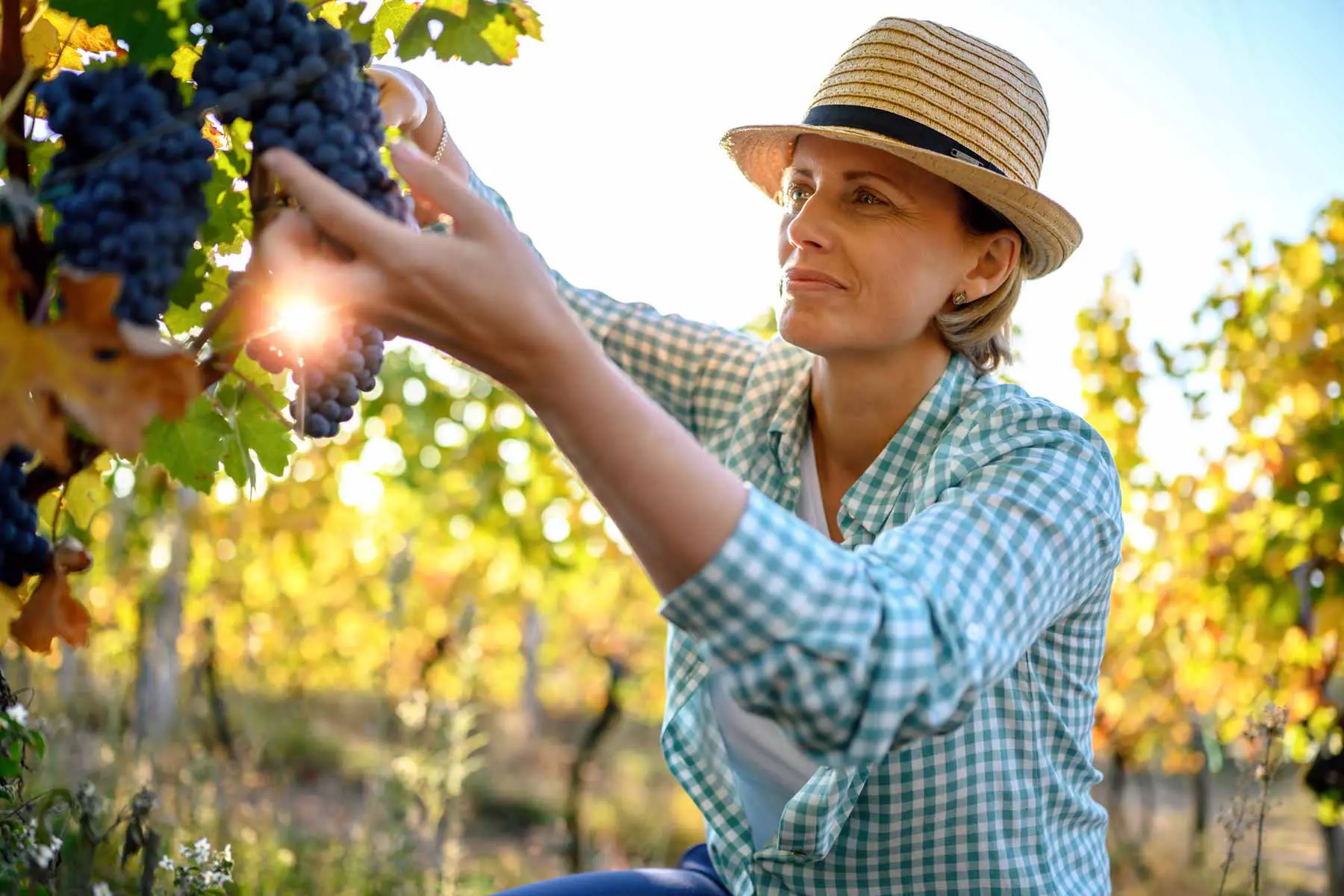
A project in Germany, involving participants from both the private and public sectors, has conducted a series of important studies on the use of Artificial Intelligence (AI) for evaluating wine. The initial findings indicate that the project holds great promise for the future.
2019 yılında Genie adlı kuruluş bir ‘Yapay Zekâ Sommelier’ geliştirmek için Önoloji Profesörü Dominik Durner’la bağlantıya geçer. O tarihlerde yavaş yavaş kafasını kaldırmaya başlayan yapay zekâ çalışmalarının aromaların tanımlanmasında nasıl kullanılabileceği konusunda Prof. Durner’a danışırlar. Bu konunun araştırmaya değer olduğunu düşünen Durner, Trier Üniversitesi ve Fraunhofer Enstitüsü gibi iki akademik kurum ve üç özel şirketle işbirliği yapar ve sonradan Alman Tarım Bakanlığı da projeyi ‘Tarımda Yapay Zekâ’ kapsamına alarak destekler.
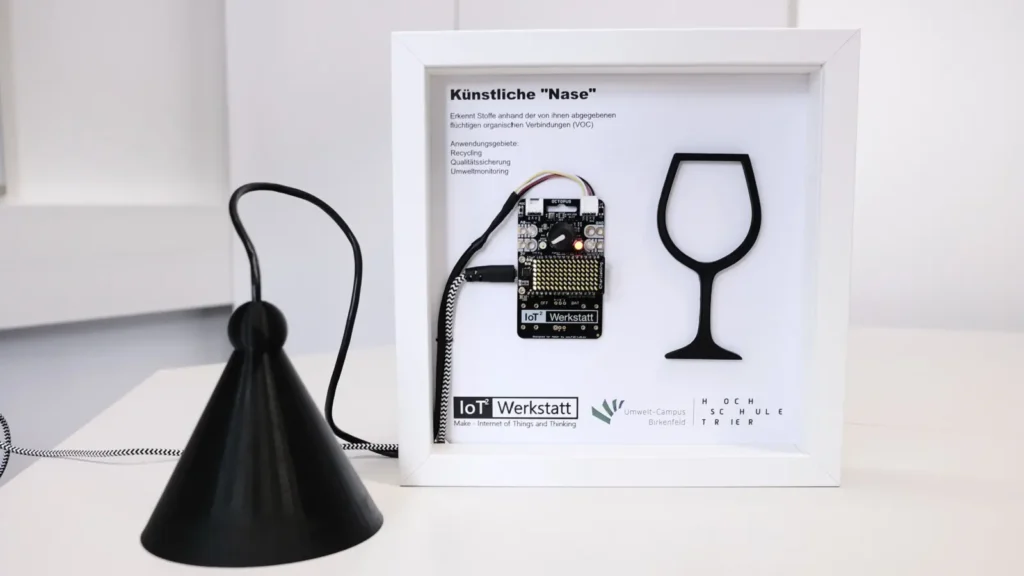
The initial goal was to determine which aromas could be detected by electromagnetic sensors and whether these sensors could achieve a level comparable to the human sense of smell. Early results were disappointing, as ethanol interfered with the measurement tools. As a result, the project's framework was adjusted to task the sensors with detecting wine faults. To achieve this, researchers selected 100 wines with a common fault: the sulfur effect commonly referred to as "rotten egg smell." After identifying the fault, the sensors were exposed to fault-free wines to determine differences. Prof. Durner likens this process to the myth of Sisyphus, in which the condemned figure endlessly rolls a boulder uphill, only for it to roll back down each time. Similarly, training AI involves repeated measurements over years. Despite this, Prof. Durner finds the progress of the three-year study promising, emphasizing that the application could extend beyond wine. "The human nose cannot always assess consistently, which is one of its major flaws. However, an AI system trained to interpret scent data from sensors can evaluate consistently with the same performance every time," he notes.
At its current stage, the AI system has achieved sensitivity equal to about one-tenth that of the human nose. However, the system can already detect sulfur faults, such as the "rotten egg smell," even before they are noticeable to human noses. The research team is confident that the system will achieve highly reliable results in the future. Once that level is reached, warnings provided by the system during the early stages of fermentation could enable much healthier production planning. They are optimistic that fingerprint-like evaluations of wine will provide effective insights when compared to its performance at later stages. However, it is clear that it will take much longer for AI to match the nuanced quality assessments of professional wine experts.
The most critical requirement for AI is data. Therefore, collecting not hundreds but hundreds of thousands of data points is essential for reliable results. To achieve this, the team partnered with UC Davis in California to involve American researchers in the project, thereby enriching the data pool.
Tahmine Dayalı Analizler ve Mikro-Teruarın Dijital İkizi
Yapay zekânın bağcılık dünyasındaki en devrimsel dokunuşu, doğanın o kaotik ve öngörülemez değişkenlerini matematiksel bir kesinliğe dönüştüren tahmine dayalı analiz modelleridir. Bağ sıralarına yerleştirilen IoT sensörlerinden, dronlardan ve meteorolojik uydulardan saniyede akan milyonlarca veri parçacığı (nem, rüzgar, toprak ısısı, yaprak stresi), yapay zeka algoritmaları tarafından işlenerek bağın adeta dijital bir ikizini (digital twin) yaratır. Bu devasa veri işleme kapasitesi sayesinde üreticiler; mildiyö veya külleme gibi ölümcül mantar hastalıklarının başlama anını günler öncesinden tespit edebilir, hasat zamanlamasını milimetrik olarak optimize edebilir ve iklim krizinin yaratacağı kuraklık stresine karşı asmanın su ihtiyacını yapay zekâ destekli damlama sistemleriyle otonom olarak yönetebilir. Toprağın hafızası, artık dijital bulut sistemlerinde korunmaktadır.
Algoritmik Harmanlama ve Tüketici Duyusunun Modellenmesi
Yapay zekânın etki alanı sadece bağ sıralarıyla sınırlı kalmayıp, mahzenin kalbine, yani o en kutsal enolojik süreç olan harmanlama (blending) aşamasına da uzanmaktadır. Eskiden yalnızca baş önoloğun yıllara dayanan kişisel tecrübesine ve damak hafızasına emanet edilen harmanlama işlemi, bugün “Machine Learning” (Makine Öğrenimi) algoritmalarıyla yeniden tasarlanmaktadır. Yapay zekâ, farklı fıçılardaki şarapların asidite, tanen, pH ve uçucu bileşen matrislerini analiz ederek, hangi fıçıların yüzde kaç oranında karıştırıldığında hedeflenen o kusursuz rekolte profilini yakalayacağını binlerce farklı senaryo üzerinden saniyeler içinde simüle eder. Dahası, küresel pazarın değişen tat tercihlerini (örneğin daha düşük alkollü, daha meyvemsi trendleri) veri madenciliğiyle okuyan yapay zekâ, üreticiye doğrudan hedef kitlenin damak zevkine uygun “algoritmik reçeteler” sunabilmektedir. Enoloji, sanat ve bilimin ardından şimdi de kod yazımıyla şekilleniyor.
Projenin ortaya çıkarmayı amaçladığı taşınabilir bir cihazla üretim esnasında yapılacak ölçümlerin anında sonuç vermesi, böylelikle laboratuvar sonuçlarının beklenmesi sürecinin ortadan kaldırılması hedefleniyor. Projenin şarap dışına taşacak uygulamalarından birisinin günümüzde eğitimli köpeklerin kullanıldığı uyuşturucu ve patlayıcıların tespit edilmesi uygulamasında köpeklerin yerini yapay zekâ sistemlerinin alması olduğunu söylüyor araştırma ekibindekiler. Öte yandan Prof. Durner bu araştırmalarla ortaya çıkacak değerlendirme araçlarının şarapların standartlaşmasına sebep olacağı endişesini taşımadığını, şarapların terzi usulü kimliklerinin gerektirdiği biçimde kullanımın hep mümkün olacağına inandığını belirtiyor.
Meanwhile, Prof. Durner dismisses concerns that the tools developed from this research will standardize wine, emphasizing his belief that wines will always retain their tailored, bespoke identities.
Bağ sıralarındaki otonom veri akışları ve mahzendeki algoritmik harmanlama simülasyonlarıyla şekillenen bu fütüristik yapay zeka devrimi ilginizi çekiyorsa, blogumuzdaki diğer nitelikli teknoloji ve endüstri araştırmalarımıza da göz atabilirsiniz:
Yapay zekâ sistemlerinin yalnızca veri analizinde kalmayıp, bağ sıraları arasında dolaşan ve asmaları milimetrik bir hassasiyetle budayan otonom mekanik sistemlere nasıl entegre olduğunu okumak için Asmaların Dünyasında Robotlar: Akıllı ve Otonom Bağcılık Teknolojisi teknik monografimizi ziyaret edebilirsiniz.
Yapay zekanın getirdiği bu devasa endüstriyel standardizasyonun ve teknolojik otomasyonun, butik zanaatkarlığın o müdahalesiz teruar felsefesiyle yaşadığı o kaçınılmaz felsefi çatışmayı derinlemesine incelemek için Modern Şarap Üretim Süreçleri ve Değişen Endüstriyel Dengeler sektörel analizimize göz atabilirsiniz.
Algoritmaların damak zevkimizi tahmin etmeye başladığı bu dijital çağın bir başka uç noktasını; laboratuvar ortamında alkolü uzaklaştırarak şarabın duyusal dengesini baştan inşa etmeye çalışan o endüstriyel işlemin tadım sonuçlarını görmek için Dealkolize Şarap Analizi: Alkolsüz Örneklerle Karşılaştırmalı Tadım çalışmamıza bakabilirsiniz.
Yapay zekanın ve robotların tamamen dışında, insanlığın bağcılık tarihine ait o en ilkel etnografik aletleri, cendereleri ve somut kültürel mirası günümüze taşıyan kurumsal hafıza mekanlarını keşfetmek için Asmadan Bağcılık Müzesi: Şarap Kültürü ve Yaşayan Tarih Mirası kültür yazımızı okuyabilirsiniz.