When we first encounter a wine, it’s our eyes that go to work before anything else. We judge its color, clarity, and any sediment that may hint at age or character. That first impression — what we see — shapes what we expect to taste.
Then comes the nose.
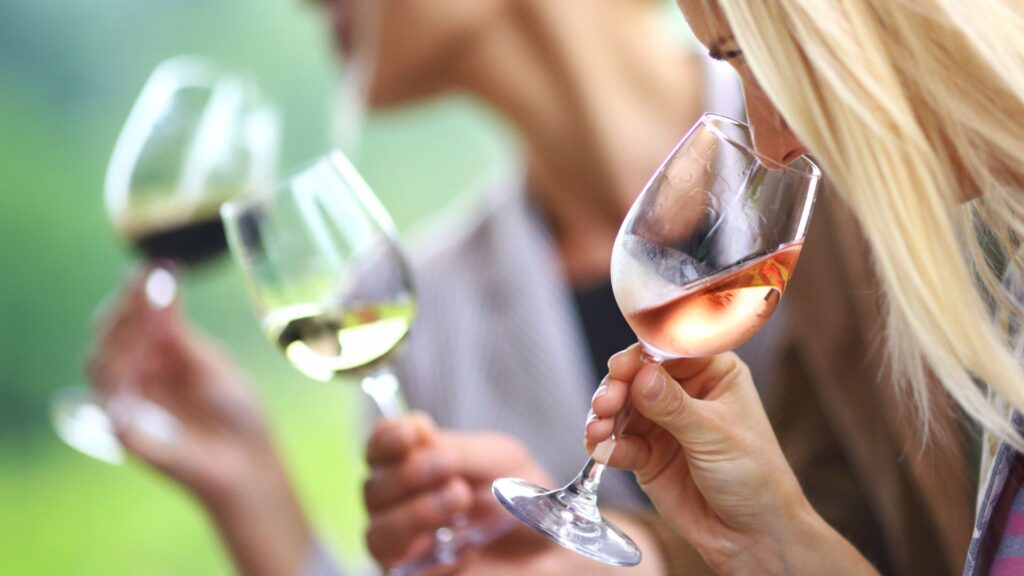
With the first swirl of the glass, our sense of smell begins decoding the primary aromas — those that come directly from the grape itself. The floral notes we’ll talk about here belong to that group. Some wines bloom with such intensity that it feels like stepping into a flower shop or wandering through a garden in full bloom. And even within “floral,” there’s endless variety: orange blossom, violet, rose, lavender, chamomile — each with its own story. So here’s the million-dollar question: How do these floral aromas make their way into the wine?
The Chemistry of Aroma
In the language of chemistry, those enchanting floral notes are known as terpenes — natural hydrocarbon compounds made of just two elements: hydrogen and carbon.
Terpenes are what give plants their scent and flavor — in our case, grapes. They’re among the most volatile organic compounds in nature, which is why we perceive them so quickly when we smell a wine. Found in the grape’s skin and pulp, they belong to the same family of aromatic molecules that perfumers isolate and refine for fragrance creation.
That’s why both a fine wine and a fine perfume can share familiar scents.
The difference is that wine delivers them as part of its natural life cycle, while perfume isolates and amplifies them through human design.
A few key terpenes worth knowing:
• Linalool brings orange blossom and lavender notes.
• Geraniol evokes rose petals.
• Nerol and citronellol offer a blend of citrus and floral tones.
The Role of the Vineyard
So, do the vineyards matter? Absolutely.
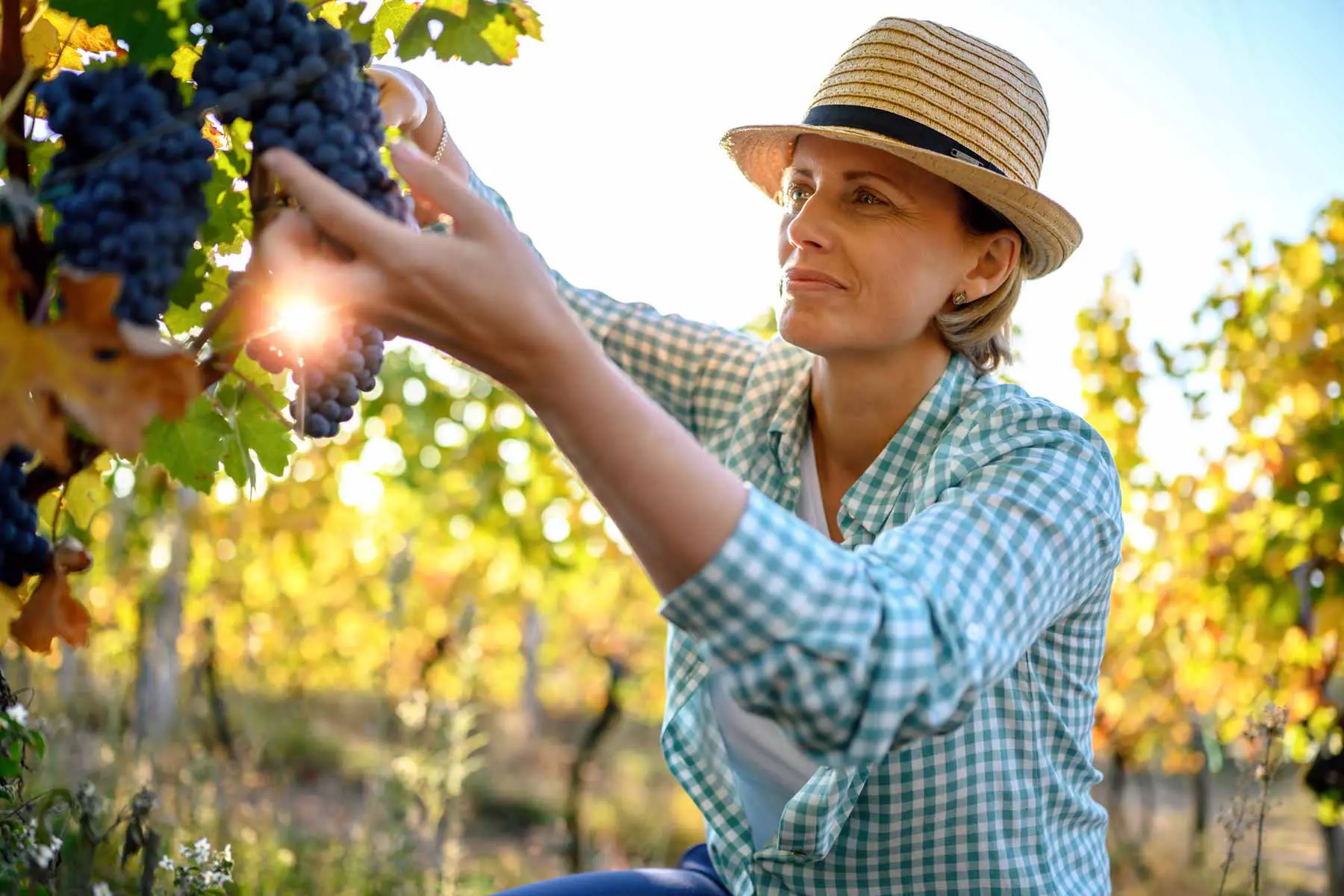
Everything begins in the vineyard — with what the vine receives from its environment. Both the terroir (soil, climate, altitude, orientation) and viticultural practices play decisive roles.
First comes the grape variety itself. Not all grapes hold the same aromatic potential. Our local Bornova Misketi or Alsace’s Gewürztraminer stand out precisely because of their richness in terpenes.
Cool climates help preserve and enhance floral expression. The same grape grown in a hot valley versus on a cool hillside will tell very different aromatic stories. Altitude adds another advantage — cooler nights and slower ripening mean fresher, more delicate aromas.
Protecting the Aromas During Winemaking
Floral aromas are fragile. Once harvest begins, every decision matters to protect them.
The pressing stage, often seen as purely mechanical, is one of the most delicate moments. Excessive pressure damages the grape pulp and releases bitter compounds that can mute floral notes. Pneumatic (air-pressure) presses, when handled carefully by skilled hands, achieve gentle extraction without harming aroma.
The fermentation vessel also matters. Neutral, non-reactive materials like stainless steel allow the wine to retain its natural aromatics.
New oak barrels, on the other hand, can dominate or distort delicate notes. Only well-used “neutral barrels,” where the oak character has faded, can preserve subtlety without interference.
Extended skin contact? Dangerous territory for floral wines. Winemakers aiming for freshness must treat this step like a tightrope act.
Even yeast choice plays a role. Some strains enhance floral intensity, while others overpower the wine’s natural balance. The best winemakers know when to step in — and when to step back.
Where to Find Floral Wines
When we speak of floral character, Bornova Misketi (Muscat) comes to mind first — a variety brought to the Mediterranean thousands of years ago by the ancient Phocaeans. One sniff and you’re surrounded by the scent of spring flowers.
Gewürztraminer reveals rose petals, sometimes mixed with apricot notes in Turkish terroirs.
And it’s not just white wines — some reds, like Pinot Noir or Merzifon Karası, can show hints of violet depending on where they’re grown.
In Essence
Floral aromas are ambassadors of freshness. With their elegance, they embrace you from the very first breath and prepare you for the journey in the glass. But the grape alone doesn’t tell the whole story. The hands that guide it — patient, respectful, and intuitive — must act as guardians of those delicate scents.
Cheers to that.