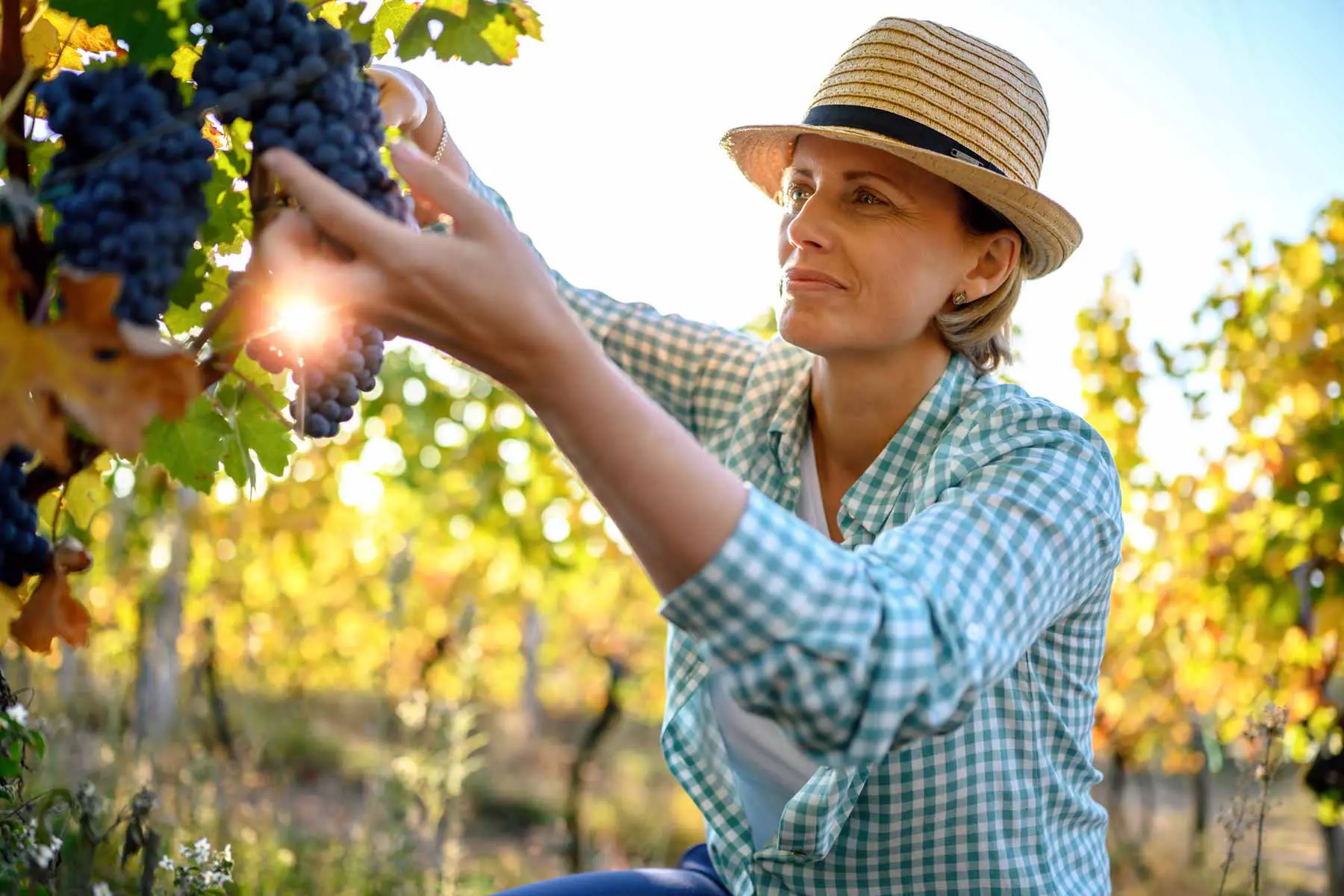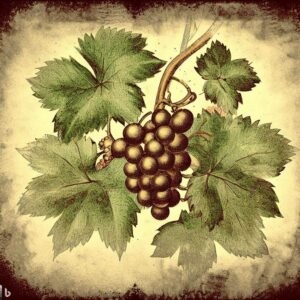
Başlık günlük dilimizdeki sözcüklerimizle uzaktan yakından ilişki kurmamıza izin vermiyor. Onun için biraz gerilere giderek asmanın ve meyvesi üzümün hikâyesine göz atalım.
In our time travel to the past of our planet, we know from its petrified remains that the ivy vine has existed on Earth for about 500 million years. This time period is so old that all the continents have not been gathered together yet. The wild vine, which continued to exist in the Pangea supercontinent, which was formed by the gathering of all lands about 335 million years ago, managed to gain a place for itself in almost every continent when the continents separated and reached their present location.
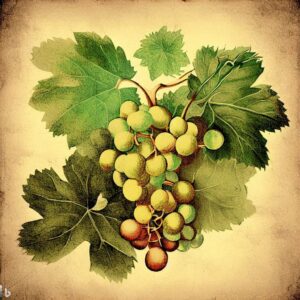
Günümüze kadar gelen örneklere bakıldığında, yabani asmanın yaklaşık 100 çeşidinin çeşitli kıtalarda varlığını sürdürdüğü biliniyor. Ama bu asmalardan Avrasya topraklarında yetişen yalnızca bir tanesi atalarımız tarafından evcilleştiriliyor ve bugün bağlarımızda yetişen üzümlerin hepsine annelik yapıyor. İşte bu yabani asma türünün adı, yazımızın da başlığı olan Vitis vinifera sylvestris.
Yabani asmanın yaklaşık 100 çeşidi neredeyse bütün kıtalara yayılmış. İnsan, yabani asmanın yetiştiği bütün coğrafyalarda var, ama asmadan elde edilen üzüm ne meyve ne de üzümden yapılan yiyecekler olarak Avrasya dışında bu coğrafyalarda yaşayan toplulukların besin gruplarında yer almıyor. Elbette henüz ham hali bile tüketilmediğinden daha ileri derecede işlenmiş üzüm ürünü örneği olarak şarap da bu bölgelerde yaşayanların hayatlarının bir parçası olmamış.
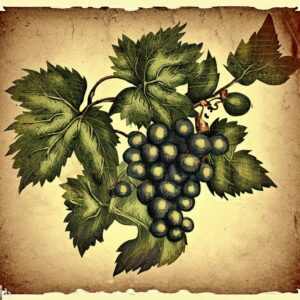
We do not yet know who or by which community the Eurasian wild vine was first cultivated. But we know that the grapes of the vines we grow in our vineyards and the grapes of the wild vine show differences. In addition, by examining the grape seeds obtained by archaeobotanists during excavations, it is possible to understand whether they are wild grapes or grown grapes.
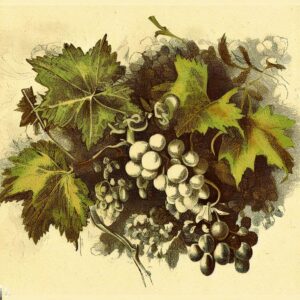
Özetle, bizim bugün Syrah, Merlot, Chardonnay, Öküzgözü, Emir gibi isimlerle tanıdığımız, yetiştirdiğimiz ve işleyip şarap yaptığımız üzümlerin hepsinin bir ortak anası var: Vitis vinifera sylvestris.
İyi ki var olmuşsun Vitis vinifera sylvestris.
İlginizi Çekebilir:
Vitis Vinifera Sylvestris’in orman kuytularından süzülen bu büyüleyici evrim serüveninden sonra, asmanın antik genetik haritasını, Mezopotamya’nın kadim üretim biçimlerini ve şarap kimyasını anlatan yazılarımız da ilginizi çekebilir:
Asmanın bu yabani formundan evcilleşmeye uzanan 8000 yıllık genetik yolculuğunu, arkeolojik kazılar ve laboratuvar verileriyle incelemek için Genlerin Hafızası: Asmanın 8000 Yıllık Yolculuğu tarihsel araştırmamızı keşfedebilirsiniz.
Bu yabani tanelerin evcilleştirilmesinin ardından, Türk ve Osmanlı coğrafyasında geliştirilen o en sıra dışı yoğunlaştırılmış üretim tekniğini okumak için Müselles: Türk ve Osmanlı Tarihinin Unutulmuş Kaynatılmış Şarabı makalemizi ziyaret edebilirsiniz.
Yabani asmanın tanelerinden modern kadehlere miras kalan, şaraba o diri, ferahlatıcı ve canlı omurgayı kazandıran en temel dinamiği öğrenmek için Şarapta Asitlik Kavramı: Canlılık, Tazelik ve Teruar Dengesi kavramsal rehberimize göz atabilirsiniz.
Evcilleşen bu tanelerin içindeki şekeri alkole ve o zengin ikincil aromatik moleküllere dönüştüren gizli biyolojik ortaklarımızın öyküsü için Şarap Mayası: Fermantasyonun Gizli Kahramanları ve Kültür Mayaları monografimizi inceleyebilirsiniz.