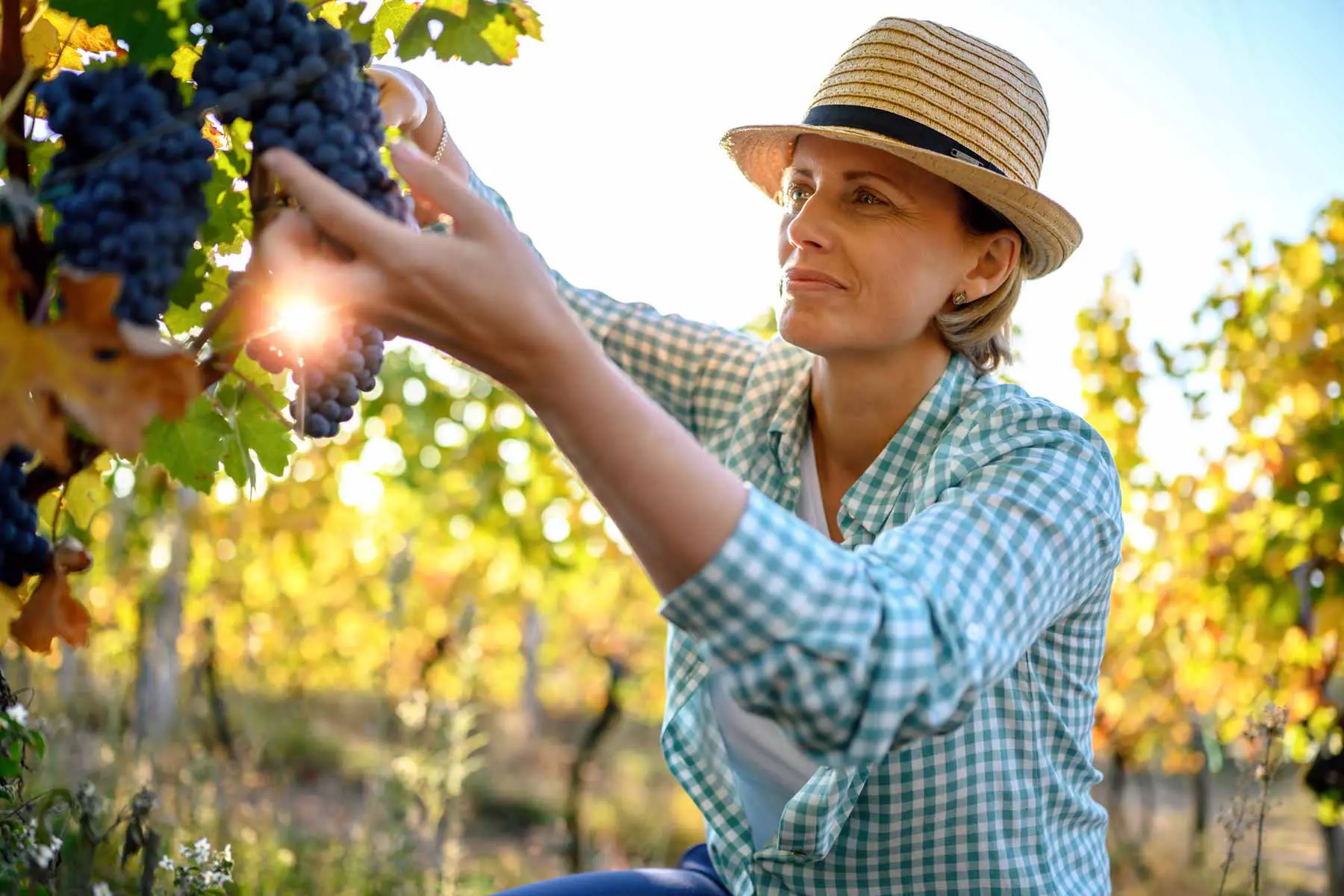
On the afternoon of Monday, July 18, 2022, we opened the doors of WAYANA. The venue itself was no stranger to us—we had been running it since 2010—but WAYANA felt like a newborn in our hands. With this post, we set out to share the “Captain’s Log,” stretching back to about a month before its birth and carrying us to the present day. But to truly tell our wine story, we thought it best to start before WAYANA.

BUILDING A BUSINESS WITH WINE AT ITS CENTER
Before WAYANA, we had a ten-year journey with BEPPE Pizzeria. Before 2010, we were regulars at BEPPE—our favorite neighborhood spot for pizza. Later, we took it over and ran it ourselves, and those years became a collection of cherished memories.
Between 2010 and 2014, we pushed the boundaries of the classic pizza menu. We introduced a “Beyond Ordinary” section, featuring unexpected ingredients. Some of the boldest examples? Snail and eel (unagi) pizzas.
Once we felt confident with our creative direction in food, we turned our attention to what would complement it best—and chose wine. That’s when we began to understand how deep and vast the world of wine truly is. And eventually, that journey led us to create WAYANA.
OUR EARLY WINE DAYS
We entered the wine world during a difficult time. Around that period, a nationwide alcohol advertising ban took effect. Small wineries—already limited in reach—suddenly had no way to promote themselves. Even tasting events, once their main avenue for visibility, became impossible.
So we asked ourselves: how can we help?
We decided to build a wine menu where at least one bottle from each domestic winery would be represented. Our hope was to introduce our guests to producers they might otherwise never discover.
To highlight this, we added a dedicated section in the wine list: “Producers’ Favorites.” And we didn’t make the selections ourselves—the winemakers chose which wines they wanted to feature.
By the time BEPPE closed due to the pandemic, our wine menu featured 270 wines from 70 producers. But like everyone else, our lives were dramatically altered by the global upheaval that was COVID.
THE BIRTH OF WAYANA
In June 2022, we had to decide what to do with the space we still legally owned but had left idle. We faced a clear choice: step away from the industry or give it another go. The decision to continue is what allows us to write these words today.
A wine-focused concept had long been a sleeping dream for the author of this text. The uncertainty of the shop’s future gave that dream the push it needed to come to life.
We picked up right where we had left off at BEPPE, launching WAYANA with a wine list that already included 270 wines from 70 Turkish producers.
At BEPPE, the kitchen workload had been intense. For WAYANA, we wanted to keep things simpler. Traditionally, the kitchen had been managed by Asuman Hanım, the mother in our family team. She embraced the idea of a small-plates menu, and thus the foundation of our culinary identity was born—where the richness of Turkish meze meets the Spanish tapas tradition.
Before we launched WAYANA, we invited back the team we had worked with at BEPPE. Having a crew that already knew each other made all the difference. All but one of those team members are still with us today.
THE STORY BEHIND THE NAME “WAYANA”
Naming the brand was no small matter. I explored names that reflected Anatolia’s heritage—Ottoman and pre-Ottoman—and evoked wine.
We eventually agreed on WAYANA, a word derived from Hittite. The original form, WIYANA, was historically more accurate, but we decided against it for two reasons: first, it too closely resembled the name of the city Vienna, which could cause confusion; second, WIYANAWANDA, meaning “Land of Wine,” was already a registered trademark used by Likya Wines for their hotel business.
I called Burak, the founder of Likya Wines, to get his blessing, then proceeded with the trademark application. In the end, we chose a name that both sounded good and honored our roots.
When we finalized the idea of a tapas-style menu, the team suggested giving each dish a name. We created a full menu using adapted Hittite terms, which we’ve kept to this day—and still love. When we opened WAYANA, we weren’t sure if it would survive. We gave ourselves two years. If it couldn’t stand on its own by the end of 2024, we would close it. That was the principle we began with.
WAYANA’S PHILOSOPHY ON WINE
Defining our service model wasn’t difficult. We had spent years traveling and knew exactly what was missing. Our goal was simple: to offer what we couldn’t find.
In every country we visited, we sought out places to taste local wines. We’d ask the hotel concierge for suggestions, only to end up in spots that served wine—but not in a way that allowed us to explore variety through tastings. Time and again, this left us disappointed.
So we positioned WAYANA in that rare niche: a place where wine lovers can discover, explore, and taste Turkish wines. To achieve this, we made these commitments:
- Feature only Turkish producers
- Strive to include all 200+ Turkish wineries
- Offer 500 wines, limited only by our space
- Serve every wine by the glass
Serving every wine by the glass worried some on our team—but we did it anyway, and never looked back.
In fall 2024, we took it further: we began offering 1/3 glass portions for tastings. Today, we are a destination for wine lovers who value exploration.
We now work with 142 producers. Maintaining such a large portfolio isn’t easy, but we do it with joy. And we’re still on the lookout—there are producers we haven’t reached yet.
A 500-wine list, all served by the glass? It’s nearly one-of-a-kind worldwide.
OUR VIEW ON LOCAL GRAPES
Turkey is one of the most grape-diverse countries in the world—perhaps the most. Almost every year, we meet a new grape being vinified for the first time. And the thrill never fades.
Back in 2014, our wine list included about 20 indigenous grape varieties. Today, we serve wines made from 72 local grapes. Being among the first to pour a wine made from a newly revived grape is a joy we find hard to put into words.
Of course, our list also includes international varieties—Cabernet, Chardonnay, Merlot, and others. But these aren’t imported wines. These are global grapes grown in Turkish soil, processed by Turkish winemakers. And we proudly showcase their full potential.
OUR INTERNATIONAL GUESTS
Nearly half of WAYANA’s guests are from outside Turkey. You might have seen how much effort we’ve put into social media—but until now, our content was almost entirely in Turkish.
To mark our fourth year, we launched a brand-new Instagram account with posts exclusively in English: @wayanaistanbul
Let’s see if this new platform helps us reach more global wine lovers. We hope you’ll join us there and continue this journey together.
OUR PLANS FOR THE FUTURE
WAYANA still hasn’t reached the level of financial sustainability we aim for. In Turkey, there is a serious lack of high-quality publications about wine. One of our dreams is to contribute to filling that gap—but for now, we simply don’t have the resources.
We often discuss expanding WAYANA to other locations. But unless we find people who share our passion, we put that idea on hold. Perhaps one day, we’ll find those kindred spirits.
In the past, many professional wine events were held for the industry. Those days are mostly gone. So we created a micro-scale version: once a month, we host “Producers at WAYANA” tasting events.
Each event features 15–20 wines from a producer, with representatives present to meet and connect with wine lovers.
We also care deeply about oenotourism. Many Turkish producers have invested in vineyard hotels, and we’re glad to see growing interest. There’s also a noticeable revival of historic wine routes. Maybe one day, WAYANA will play a more active role in wine tourism collaborations.
A FINAL WORD
We love what we do. We believe in it.
It’s thanks to the support of wine lovers like you—who recognize the heart in our work—that we’ve come this far.
We hope we have the breath, energy, and means to keep going, and to bring even more of our ideas to life.
To the glasses that brought our paths together—cheers.