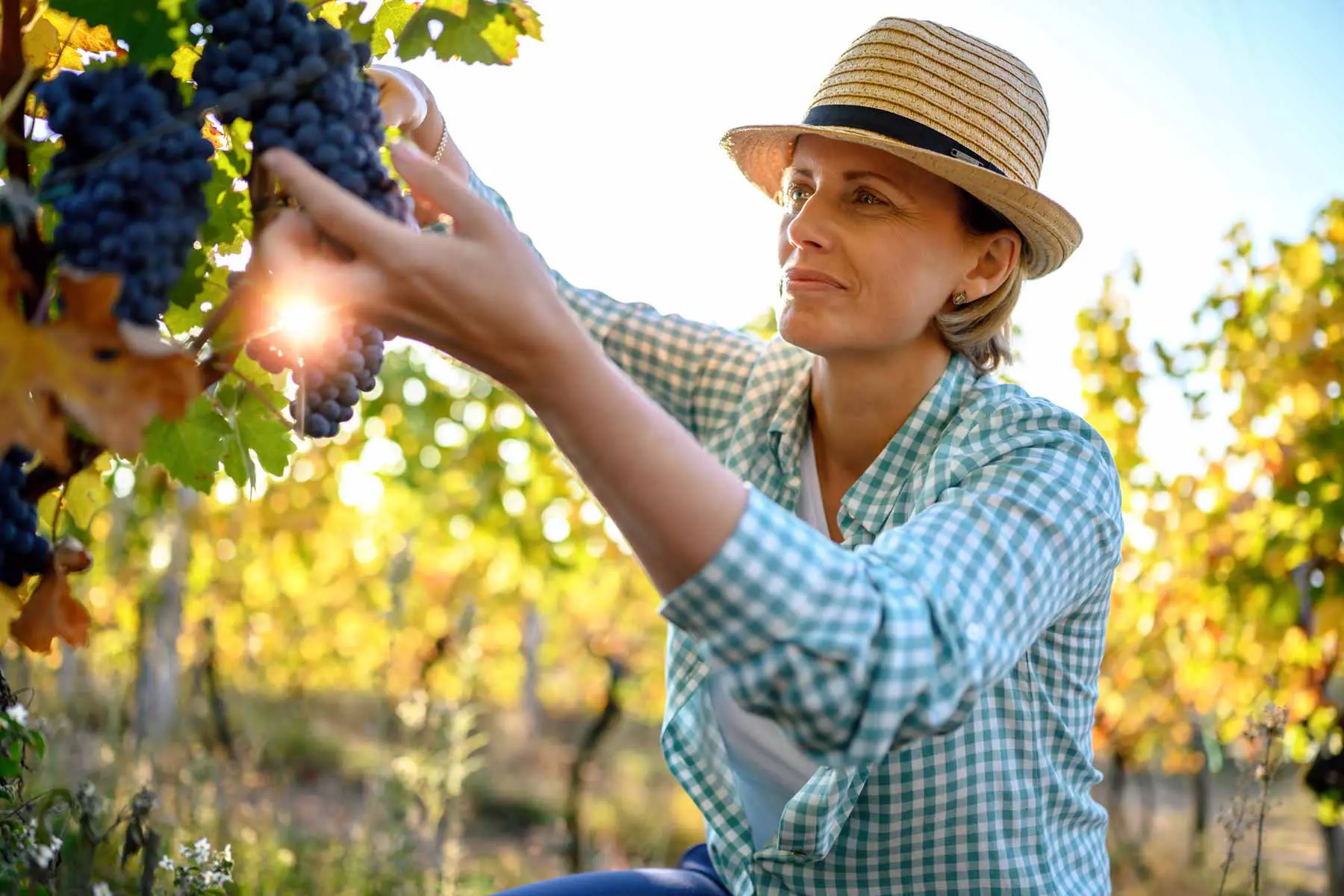
Küresel enoloji haritasını köklü bir değişime zorlayan iklim dalgalanmaları hızlanırken, bağ sıralarında sürdürülebilir bir adaptasyon felsefesi inşa etmek artık kaçınılmaz bir zorunluluktur. Gezegenimizin iklim açısından içine girdiği yeni evre, alıştığımız ezberlerin bozulmasına sebep oluyor. Yaklaşık 10 bin yıl önce yabani asma türlerinin bugünkü şaraplık üzümlere dönüştürülmesini akıllara getiren yeni çalışmalarla yeni iklim koşullarında iyi sonuçlar vereceği düşünülen asmalarla ilgili çalışmalar hem hızla sürüyor hem de ortaya çıkan örnekler şarap severlerle tanışmaya başlıyor. Bu yaşanan değişimlerle yelpazemize giren ya da girmeye hazırlanan çeşitlerle ilgili bir özet hazırladık. Bu konu bir yazıyla bitecek gibi görünmüyor. Anlaşılan zaman zaman bu konuya tekrar döneceğiz.
Newly Developed Grape Varieties
Research is focused on developing grape varieties that will retain essential qualities for winemaking (aroma, flavor profile, resilience) while also adapting to the challenging conditions brought on by climate change. Here are some primary methods and results being explored in this context:
Hybrid Varieties
Bilim insanları, Vitis vinifera’yı dayanıklı Amerikan asma türleriyle (örneğin, Vitis riparia veya Vitis labrusca) çaprazlayarak hibrit çeşitler geliştirdiler. Bu hibrit türler, kuraklık, sıcaklık dalgalanmaları ve hastalıklara karşı daha dayanıklı. Örneğin, Solaris ve Regent gibi hibrit türler, Avrupa ve Amerika’da popüler hale gelmiş ve daha sıcak koşullara uyum sağlayan başarılı çeşitler olarak öne çıkıyor. Bunlardan Solaris bizde de denenen ve karşılık bulan bir örnek. Nif Bağları’nın Solarisi WAYANA menüsünde zaman zaman yer buluyor.
Later-Ripening Varieties
To prevent excessive sugar and low acid levels caused by high temperatures, later-ripening grape varieties are being developed. For example, varieties that ripen later than classic grapes like Cabernet Sauvignon can offer a balanced flavor profile even in warm climates.
Disease Resistance
Rising temperatures and humidity make it easier for diseases like mold, mildew, and powdery mildew to spread among grapevines. Researchers are working on vines with genetic traits resistant to these diseases. In particular, hybrid versions of sensitive varieties like Pinot Noir have been developed to resist such diseases. Pinot noir gibi hassas üzüm çeşitlerinin hastalıklara dayanıklı hibrit versiyonları geliştirilmiştir.
Drought-Resistant Varieties
As the risk of drought increases, grape varieties requiring less water are gaining importance. Drought-resistant types are selected based on root structures that grow deeper or have higher water retention capabilities. For this purpose, more resilient variants of traditional varieties like Grenache are also being developed.
New-Generation Wine Grapes Not Yet Seen in Turkey
We know that hybrid varieties like Baco Noir, Vidal Blanc, and Maréchal Foch were developed in Canada, which once had an even colder climate, and have been used in winemaking there for many years. Additionally, hybrids that have thrived in the U.S., such as La Crescent, La Crosse, Marquette, and Traminette, should be mentioned. Norton, the oldest and best-known hybrid grape in the U.S., also deserves inclusion. In Europe, similar varieties, including names we’re familiar with, like Cabernet Cortis, Pinot Kors, and Sauvignon Nepis, have been developed.
Kuraklık Stresine Karşı Fizyolojik Direnç ve Adaptasyon Kökleri
İklim krizinin getirdiği ekstrem kuraklık ve yüksek buharlaşma (evapotranspirasyon) oranları, bağcılık endüstrisini anaç ve çeşit seçiminde radikal bir fizyolojik dönüşüme zorlamaktadır. Yeni iklim koşullarına uyum sağlayabilen akıllı üzüm çeşitleri, yaprak gözeneklerini kuraklık esnasında otonom olarak kapatarak su kaybını minimumda tutabilen, yani yüksek su kullanım verimliliğine sahip omurgalı bir metabolizmaya sahiptir. Ancak asıl gizli kahraman, toprağın derinliklerindeki granitik veya killi tabakaların mikroskobik nem gözeneklerine kadar uzanabilen, kazık kök mimarisine sahip dirençli yerel gen kaynaklarıdır. Bu kökler, ana karanın su stresine girdiğinde salkımlardaki asidite dengesini koruyabilmek adına yeraltı mineral rezervlerini yukarı taşır; böylece meyvedeki şeker birikimi kontrolsüzce fırlamazken, şarabın canlılığı ve yaşlanma potansiyeli güvence altına alınır.
Yerel Endemik Varyetelerin Avangart Rolü ve Geç Uyanma Avantajı
Küresel ısınmanın yarattığı erken tomurcuklanma ve buna bağlı olarak asmanın don riskine maruz kalması krizine karşı, yeni iklim dengelerinde “geç uyanan ve geç olgunlaşan” yerel endemik üzüm çeşitleri avangart birer enolojik sığınağa dönüşmektedir. Endüstriyel şarap pazarını yıllardır domine eden küresel monokültür çeşitleri sıcak dalgalarıyla birlikte asiditelerini bir gecede kaybederken, Anadolu’nun ve Akdeniz’in asırlık kurak topraklarda evrilmiş kadim gen kaynakları, yüksek sıcaklıkları absorbe ederek fenolik olgunluğunu, yani tanen ve renk kalitesini zamana yayarak tamamlar. Bu geç olgunlaşma döngüsü, önologların mahzen kapısında o kabus gibi çöken “yüksek alkol ve hantal gövde” çıkmazından kurtulmalarını sağlayarak, kadehte aradığımız o asil, aromatik, zarif ve teruar odaklı tazeliğin gelecekte de yaşamasını mümkün kılmaktadır.
Studies for the Future
Yukarıdaki asma çeşitleri iklim değişikliği karşısında sürdürülebilir bir şarap üretimi için önemli bir adım olarak görülüyor. Ayrıca, bu yeni çeşitlerin yerel özelliklere uyum sağlaması da araştırmalarda dikkate alınmakta. Bu asma türleri, sadece verimliliği artırmakla kalmayıp şarap kalitesini koruyarak yeni tat profilleriyle şarap severlere farklı deneyimler sunmayı da hedefliyor.
Research is still ongoing, with promising results achieved. These new varieties, which can keep pace with the speed of climate change, have the potential to ensure the sustainability and diversity of the wine industry in the future.
Küresel ısınmanın getirdiği su stresine ve ekstrem sıcaklıklara meydan okuyan bu yeni iklim koşullarına uygun üzümler ve bağcılıkta adaptasyon enolojisi ilginizi çekiyorsa, blogumuzdaki diğer nitelikli teknik ve bölgesel araştırmalarımıza da göz atabilirsiniz:
Yüksek sıcaklık eğrilerinin asma vejetasyon döngüsünü nasıl öne çektiğini, şeker birikimi ile fenolik olgunlaşma arasında açılan o tehlikeli makasın enolojik anatomisini derinlemesine incelemek için Küresel Isınma ve Üzümün Olgunlaşma Süreci Üzerindeki Sektörel Etkileri iklim kılavuzumuzu ziyaret edebilirsiniz.
Yazıda bahsettiğimiz sıcağa ve kuraklığa dirençli yerel gen kaynaklarının yaşayan en somut koruma kalelerinden birini; endüstriyel tektipleşmeye karşı geçmişin o zengin tarımsal biyoçeşitliliğini köklerinde saklayan anıtsal bir açık hava gen bankasını keşfetmek için Kasap Dursun-Hüyük Bağları: Yerel Tarım ve Bağcılık Tarihi saha monografimizi inceleyebilirsiniz.
İklim dalgalanmalarının asma yapraklarında yarattığı o ani su stresini ve mikro-teruardaki hastalık risklerini, bağ sıralarına yerleştirilen akıllı IoT sensörleri ve kestirimci analitik algoritmalarıyla otonom olarak yöneten dijital dönüşümü okumak için Şarap Dünyasında Yapay Zekanın Yeri ve Dijital Devrim fütüristik çalışmamıza göz atabilirsiniz.
İklim krizi yüzünden asiditesi çöken veya alkolü kontrolsüzce fırlayan şarapların o yapısal matris bozulmalarını engellemek adına; bağ bozumu zamanlamasını milimetrik yöneterek alkolü tırmandırmadan da diri ve gövdeli enolojik mimariler kurabilmenin formüllerini okumak için Erken Hasat ve Gövdeli Şarap Mümkün Mü? Enoloji Çözümleri teknik analizimize bakabilirsiniz.