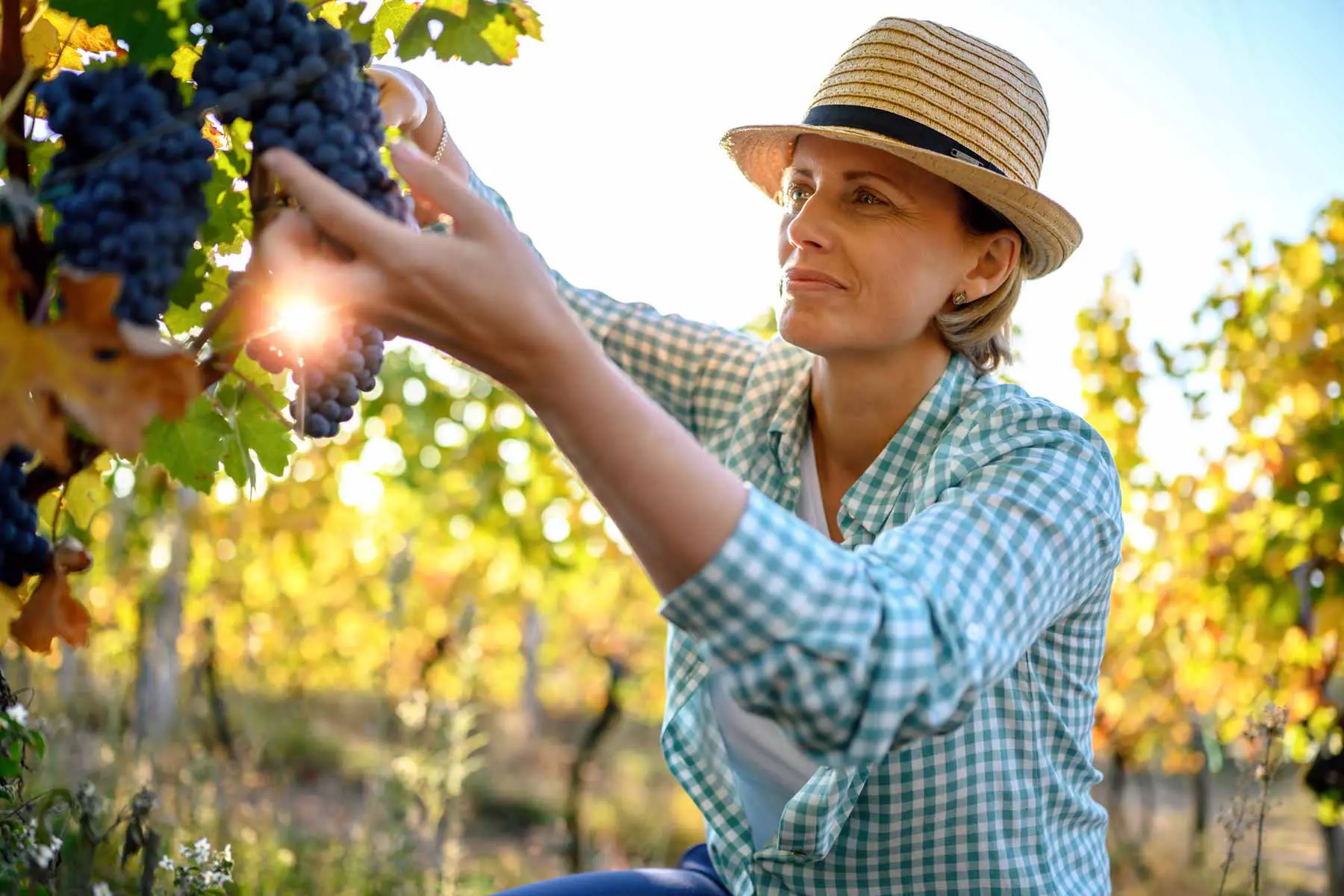
How Did Our Ancestors Make Their Choice?
Antik dünyada bir toplumun zeytine mi, yoksa üzüme mi yatırım yaptığı yalnızca tarımsal bir tercih değildi. Bu karar, ekonomiden siyasete, ticaretten kültürel kimliğe kadar pek çok alanı etkiliyordu.
Sanayi Devrimi’nin filizlenmesinden önceki 12 bin yıl boyunca bitki örtüsü, hayvan dağılımı, su döngüsü ve toprak içeriği atalarımızın tarım, hayvancılık ve yerleşim tercihleriyle şekillendi. UPenn (University of Pennsylvania) Antropoloji Bölümü öğretim üyelerinden Kathleen D. Morrison liderliğinde gerçekleştirilen bir çalışma, bu dönemde yaşanan dönüşümün izlenebilmesi için yeni bir sınıflandırma sistemini hayata geçirdi. Böylece artık antik dönemdeki bağcılık, zeytincilik ve genel arazi kullanımı konusunda karşılaştırma yapma olanağına sahip olduk. Yani zeytin ve üzüm arasındaki tercihleri bilimsel yöntemlerle yorumlamak mümkün oldu.
LandCover6K Projesi Nedir?
Gerçekleştirilen proje LandCover6K adını taşıyor. Projenin ana fikri geçmişteki arazi kullanımının, iklim modellerine entegre edilmeleri durumunda sağlıklı değerlendirmelerin yapılabileceği esasına dayanıyor. Yani toprağın nasıl işlendiği, ne ölçüde orman yok edildiği, sulama sistemlerinin kurulma biçimleri gibi değişkenler, bölgesel yağışlardan karbon döngüsüne kadar uzanan pek çok dengeyi etkiliyor. Daha önceden olsa olsa yöntemiyle yetinmek gerekirken artık arkeolojik ve tarihsel bulguları hesaba katarak üretilen geçmişe dönük arazi kullanım haritalarını kullanmak gibi müthiş bir zenginliğimiz var.
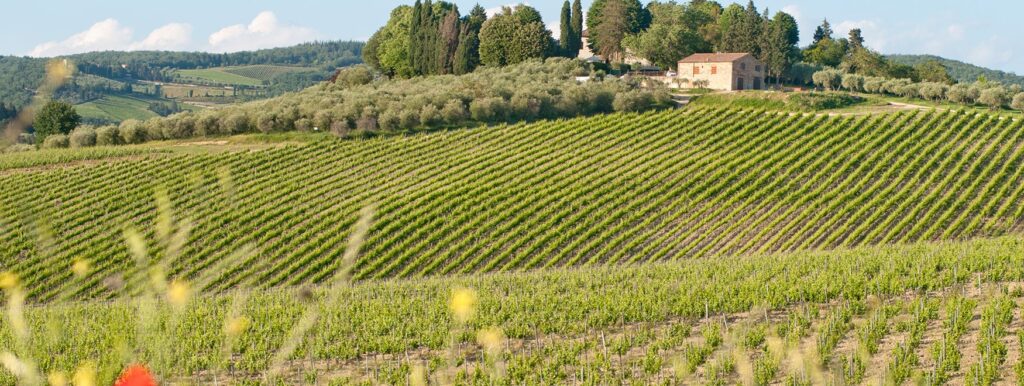
How Is Human Activity Measured?
By interpreting the physical traces left by human activities on the landscape, researchers aim to answer one question: “What were people doing here?” Let’s make this clearer with a few examples:
- A forest might have remained in its natural state or might have been managed for timber.
- A meadow could be a natural grassland or a man-made pasture.
- Uzaktan bakıldığında, orman kabul edilebilecek zeytinlik ve bağlar aslında orman olmayabilir.
Thus, the project focuses not on “What does the land look like?” but rather “What was the land used for?” The research team’s findings reveal which production types dominated in different regions. In examining the maps of the Mediterranean and the Near East, we see that viticulture and olive cultivation were not rivals but two distinct production philosophies.
Zeytin ve Üzüm: Birinin Kalıcılığı, Diğerinin Dönemselliği
The olive tree represented a long-term investment whose economic returns increased over time and required land to remain within the same family or community for generations. Planting an olive grove symbolized ownership and social stability. Since an olive tree takes years to bear fruit, it was a risky endeavor in regions with short-lived political regimes. Therefore, in areas with early urbanization and long-lasting administrations — such as the Aegean, Western Anatolia, and the Levant coasts — olive cultivation took precedence.
Viticulture, on the other hand, was more flexible and easier to renew. The grapevine could produce fruit within a few years and adapt quickly to new environments. Hence, in regions with variable climate and water conditions — such as the Anatolian plateau or Northern Mesopotamia — grapes had the advantage over olives. The vine’s ability to grow in rocky, permeable soils and send its roots deep made viticulture particularly suitable for drought-prone areas.
Strategic Choices in Mesopotamia
Around 4000 BCE, the balance between productivity and security in southern Mesopotamia favored cereals and date palms rather than olives, while viticulture thrived in the north where rainfall was more reliable. Date cultivation depended on irrigation networks, whereas vineyards relied on natural soil moisture. This distinction reveals the link between economic decisions and political stability: in the south, large irrigation systems supported by centralized power allowed long-term crops to flourish, while in the north, local communities closer to migration routes favored faster production cycles.
“Oil or Wine?” in the Aegean and the Levant
Looking toward the western Mediterranean, even within similar geographic conditions, societies made different choices. On the Aegean islands, olive trees took root in warm, alluvial coastal zones, while vineyards spread across rocky hillsides where the wind kept them dry. Olive oil — easy to store and transport — became the preferred commodity of political powers. Wine (or more accurately, fermented grape juice) carried cultural and religious value, playing a central role in rituals and celebrations.
This distinction created a functional division in ancient economies: olive oil generated wealth, while wine created identity. Owning an olive grove was a sign of prosperity; owning a vineyard symbolized social prestige. Olive oil production reflected long-term peace and stability, while viticulture represented cyclical change and festivity.
Climate Fluctuations and Flexibility
Analysis of data sets dating back six thousand years shows that viticulture proved more resilient during periods of drought or cooling. Olive trees suffered in prolonged cold and frost, whereas vines could recover quickly through pruning and replanting. Thus, when climate uncertainty increased, societies turned to grape cultivation; when conditions stabilized and irrigation technologies improved, olives regained priority.
The Arabia–Southern Anatolia Contrast
During the arid phases in the Arabian Peninsula, production shifted entirely toward animal husbandry. However, in the highlands of Yemen, early terracing practices enabled the cultivation of permanent crops similar to olives. Meanwhile, in Western Anatolia and the central Aegean, the geographical diversity of grapes allowed them to surpass olives in trade networks.
Cultural Logic in Land Use
The LandCover6K database demonstrates that olive and grape cultivation were not merely agricultural systems but also reflections of cultural reasoning. Olive growing symbolized enduring political authority; viticulture embodied flexible, local entrepreneurship. Most societies maintained both systems at varying scales: the olive tree belonged to the state, the vine to the individual.
Final Thoughts
In the ancient world, the question “Which crop dominated?” was equivalent to “What did a society choose to rely on?” Olives represented continuity, land ownership, and centralized governance; grapes embodied adaptability, migration, and personal productivity. Morrison and her team’s classification system shows that this difference was not only economic but also ecological: olive groves sequester carbon in the soil, while vineyards accelerate soil nutrient cycles.
Therefore, at pivotal moments of the ancient world — between drought and abundance, peace and conflict — societies chose between the permanence of the olive and the flexibility of the grape, shaping not only their agricultural systems but also their historical destinies.
Bu yazı ilginizi çektiyse, aşağıdaki yazıların da üzerlerine tıklayarak göz atabilirsiniz.
Phokaia: Eski Foçalılar Şarabı Akdeniz’e Nasıl Taşıdı?
The Memory of Genes: An 8,000-Year Journey of the Vine from Anatolia to Gaul
Şarabın Doğduğu Yer: Bereketli Hilal ve Şarabın Tarihi
Küllerinden Doğan Bağlar:Pompeii’nin Şarap Kimliğini Yeniden İnşa Etmek