Doğal Şarap Nedir? Bildiğimiz Şaraptan Ne Farkları Var?
Aslına bakarsanız, doğal şaraplar bugün tüketmekte olduğumuz modern şarapların dedeleri sayılır. Ancak artık muazzam bir büyüklüğe erişmiş olan endüstriyel şarapçılığın kullandığı teknik çözümler, araçlar ve uzmanlığın etkileriyle alıştığımız şarap tadından çok daha farklı bir lezzet profiline kendimizi hazırlamamız gerekiyor. Şimdilerde hepimiz beslenme yaklaşımlarımızı sorguluyor, işlenmiş gıda çözümlerine alternatifler arıyor, daha sağlıklı ve sürdürülebilir bir metodu hayatlarımıza entegre etmeye öncelik veriyoruz. Bu genel bakışımızın alt başlıklarından birisi de elbette şarabın doğalıdır.
Günümüzde ortaya çıkan doğal şarap trendini, biraz da şarap endüstrisinin standartlaştırıcı yaklaşımına gösterilen reaksiyon gibi görmeliyiz. Meşe fıçılarda dinlendirmenin yarattığı belirgin fıçı aromalarına katlanmadan, üretim sürecini daha rahat ve garantili geçirmek için kullanılan katkı maddelerine sığınmadan da nitelikli üretim yapılabileceğinin bir kafa tutmasıdır bu felsefe.
Doğal Şarapların Ayırt Edici Özellikleri
Her ne kadar resmi bir mevzuat tanımı bulunmasa da, şarap dünyasının temel başvuru kaynaklarından “The Oxford Companion to Wine” kitabında doğal şarap kavramının temel ilkelerini bulabiliriz:
Küçük Ölçekli Üretim: Kendi bağıyla ilgilenen, bağımsız ve küçük ölçekli üzüm üreticilerinin ürünleriyle hazırlanır.
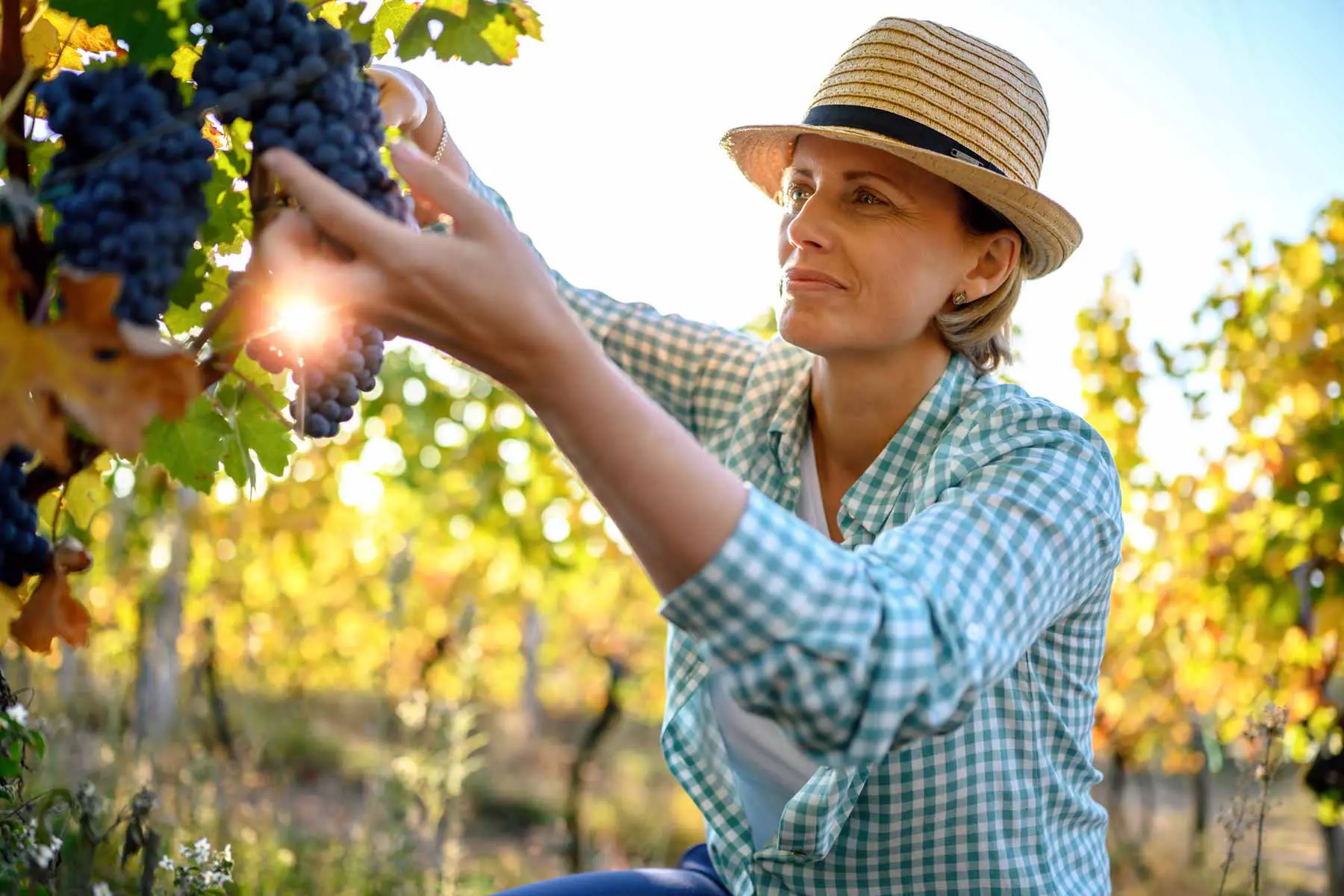
Organik ve Biyo-dinamik Tarım: Sürdürülebilir, organik veya biyo-dinamik bağların asmalarından elle toplanan üzümler kullanılır.
Spontan Fermantasyon: Dışarıdan endüstriyel maya eklenmez; üzümün kendi kabuğunda bulunan doğal ortam mayalarıyla (wild yeast) fermantasyon sağlanır.
Sıfır Katkı Maddesi: Fermantasyon işlemi sırasında asit düzenleyici, berraklaştırıcı veya ek besin gibi hiçbir kimyasal malzeme kullanılmaz.
Minimum Sülfit Kullanımı: Şişeleme aşamasında ya hiç sülfit (SO2) eklenmez ya da son derece sınırlı miktarda koruyucu kullanımıyla yetinilir.
Kadehimize Geldiğinde Bizi Ne Bekliyor?
Doğal şarapların dış görünümüne baktığımızda ilk gözümüze çarpan unsur büyük olasılıkla berrak olmaması, yani bulanıklığı olacaktır. Alıştığımız şaraplara göre daha zayıf meyvemsi aroma, buna karşın daha belirgin bir maya tadı (bu karakteri yoğurt veya fırınlanmış ekşi maya aromalarına benzetmek mümkündür) hissetmemiz olasıdır. Lezzet haritalarımız doğal şarabı, damakta ekşi ve canlı tatlara daha yakın bir yere konumlandırır. Elbette hepsi böyle değildir; aralarında berrak, meyve aroması öne çıkan dengeli örnekler de mevcuttur.
Doğal Şarap Üretim Metotları: Orange Wine, Pet-Nat ve Col Fondo
Doğal şarap üretimi ve yaklaşımında öne çıkan üç temel stili kısaca tanıyalım:
Orange Wine (Turuncu Şarap): Aslında beyaz üzümlerden yapılır, ancak fermantasyon ve maserasyon esnasında tıpkı kırmızı şarap üretiminde olduğu gibi kabuk ve çekirdekler şıranın içinde bırakılır. Antik maserasyon teknikleriyle üretilen bu şaraplar, kabuktan geçen tanen ve pigmentlerle koyu kehribar/turuncu bir renk alır; amforalarda veya toprak kaplarda bekletilirler.
Pet-Nat (Pétillant Naturel): Kadim usuller (Méthode Ancestrale) kullanılarak tek fermantasyonla şişelenen, düşük alkollü ve doğal gazlı köpüklü şarap üretim biçimidir. Fransa’dan yayılan bu stil, bağımsız üreticiler arasında hızla popülerleşmiştir.
Col Fondo Prosecco: Endüstriyel köpüklü şarapların köpükleri basınçlı çelik tanklarda (Charmat metodu) elde edilirken, Col Fondo stilinde bu köpürme maya tortusuyla birlikte doğrudan şişe içinde gerçekleşir. En az bin yıllık geçmişi olan bu metot, filtre edilmediği için dip tortusuyla servis edilir.
Türk Şarapçılığında Doğal Şarap Örnekleri
Son yıllarda canlanan Türk şarapçılığında az da olsa doğal şarap başlığı altına koyabileceğimiz yerel örneklerimiz mevcut. Ulaşabildiğimiz bütün yerli doğal şarap seçkilerine WAYANA menüsünde yer veriyoruz. Bu heyecan verici kadehleri meraklı dostlarımızla paylaşmaktan mutluluk duyuyoruz. Eğer doğal şarap alıp evde tüketecekseniz, içerisinde koruyucu bulunmaması veya sülfit oranının çok düşük olması sebebiyle hızla yaşlanabileceklerini unutmamalısınız ve çok bekletmeden tüketmelisiniz.
WAYANA Kadehlerinde Doğal Şarapları Keşfedin
Şişe açtırma zorunluluğu olmadan yerel ve doğal şarap örneklerini kadehle deneyimlemek için You Choose the Wine konseptimizi inceleyebilir, doğal şarapların canlı asiditesine eşlik edecek lezzetler için WAYANA Tapasları rehberimize göz atabilirsiniz. Ayrıca farklı teruarların izini sürmek için Bağ Rotalarına Göre Şarap Tadımı sayfamızı ziyaret edebilirsiniz.