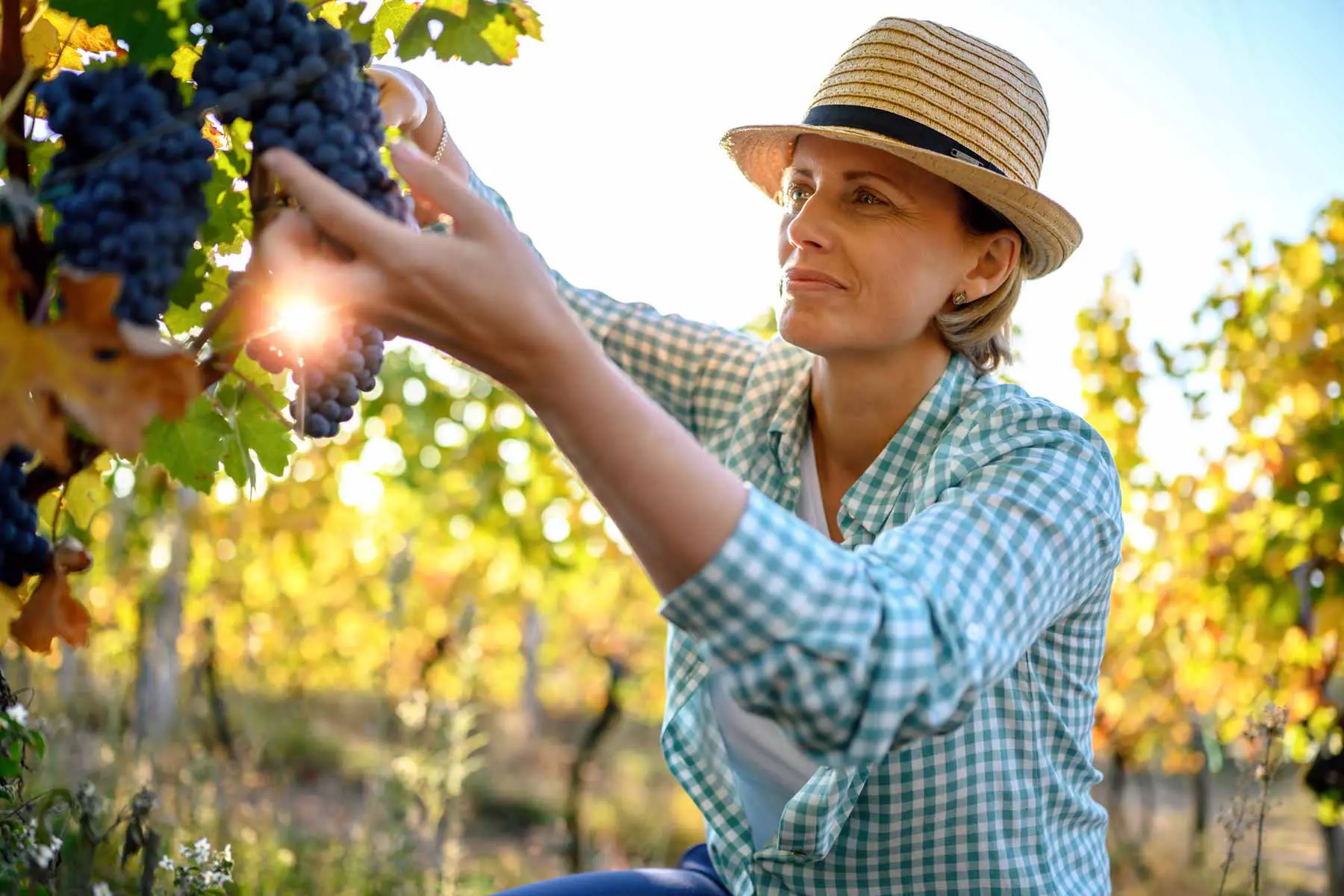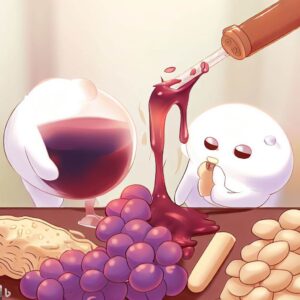
Şarap yapım felsefesinde şarap mayası kullanımı, üreticinin enolojik duruşunu belirleyen en keskin yol ayrımlarından biridir. Bir yanda bağın kendi kabuğunda, yaprağında ve mahzenin havasında doğal olarak barınan “yabani (spontan) mayalar” vardır. Bu yerel mikroorganizmalarla yürütülen fermantasyon, teruarın o nevi şahsına münhasır, öngörülemez ve karmaşık kimliğini kadehe yansıtır. Diğer yanda ise riskleri minimize etmek, fermantasyonun yarıda kalmasını önlemek ve belirli aromatik profilleri, örneğin tropik meyve veya baharat tonlarını ön plana çıkarmak için laboratuvar ortamında izole edilmiş “endüstriyel kültür mayaları” yer alır. Kültür mayaları üreticiye güvenli ve istikrarlı bir üretim konforu sağlarken, yabani mayalar ise şarabın vahşi ve otantik ruhunu korur.
Şarap mayası, doğada zaten var olan, üzüm kabuklarında hayat bulan bir mikroorganizma. Yapısı gereği oksijen açlığı çeken şarap mayası, üzüm suyunun içindeki şekeri enerji kaynağı olarak yer ve bunun sonucunda etanol ve karbondioksit gazı açığa çıkar. Zaten bu tarif ettiğimiz sürece kimya bilimi ‘fermantasyon’ adını veriyor.
Çarşıdan aldığımız üzümleri ayıklayıp ezerek suyunu çıkarsak ve bu üzüm suyunu ortada bıraksak, üzüm kabuğundaki mayaların etkisiyle fermantasyon başlar. Şarap mayasının üzüm suyu içindeki aktivitesi, şıradaki şekerin tamamının tüketilip etanol ve karbondioksite dönüşmesine kadar devam eder. Aslına bakarsanız, bu işlem tamamlandığında elde edilen şaraba ‘sek şarap’ adı verilir. Özetlersek sek şarap, şıra dediğimiz üzüm suyunun içindeki doğal şekerin şarap mayası tarafından tamamen tüketilip hiç şeker kalmamasıyla elde edilen şaraptır.
Bu yazının odak noktasında yer alan maya, yalnızca şarapta sonuç veren bir mikroorganizma değildir. Şunu hatırlamaızda fayda var: maya, pek çok üretimin ayrılmaz bir parçasıdır. Yalnız şarap yapımında değil, hamur, bira gibi birçok ürünün yapımında da maya, üretimin ayrılmaz bir parçasıdır.
Kurutulmuş maya ılık suda veya sulandırılmış üzüm şırasında 15 dakika içinde tekrar aktif yaşama döner. Genellikle %2-4 arasında maya ilavesiyle şıranın fermantasyonu başlatılır. Fermantasyonun tamamlanmasından sonra maya ve üzümden artakalanlar şarabın içinden çıkartılır.
İşte tek hücreli şarap fabrikası saccharomyces cerevisiae’nin öyküsü böyle. Mikro dünyanın gizemli bir kısmına daha yakından bakmış olduk.
İlginizi Çekebilir
Wine Yeastnın fermantasyon tanklarındaki o mucizevi dönüşüm hikayesinden sonra, şarap kimyasını koruyan en temel bileşenleri, diğer yararlı mikroorganizmaları ve renk gizemini anlatan yazılarımız da ilginizi çekebilir:
Mayaların bu yoğun fermantasyon döngüsünü baltalayabilecek zararlı bakterileri engellemek ve şarabın ömrünü korumak için antik çağlardan beri kullanılan en temel enolojik ortağı incelemek için Kükürt: Şarabın Antik Çağlardan Beri Zorunlu Ortağı bilimsel analizimizi ziyaret edebilirsiniz.
Bağlarda bir felaket gibi görünen ama doğru mikroklimada mayaları zorlayacak kadar yoğun ve büyüleyici tatlı şaraplar var eden bir diğer hayırlı mikrobun hikayesi için Asil Küf (Botrytis Cinerea): Şarabın Tatlı Mucizesi rehberimize göz atabilirsiniz.
Mayaların fermantasyon sırasında kabuklardaki renk pigmentleriyle girdiği o mikroskobik transfer döngüsünü ve en koyu kırmızıların bile kökenindeki şeffaflığı öğrenmek için Bütün Şaraplar Aslında Beyazdır: Şarabın Renk Mucizesi enolojik kılavuzumuzu keşfedebilirsiniz.
Modern paslanmaz çelik tanklardan ve izole kültür mayalarından binlerce yıl önce, antik dünyada şarabın kendi yerel mayalarıyla toprak altında nasıl fermente edildiğini okumak için Şarabın Oksijenle İmtihanı: Amforaların Yükseliş ve Düşüşü tarihsel araştırmamızı inceleyebilirsiniz.