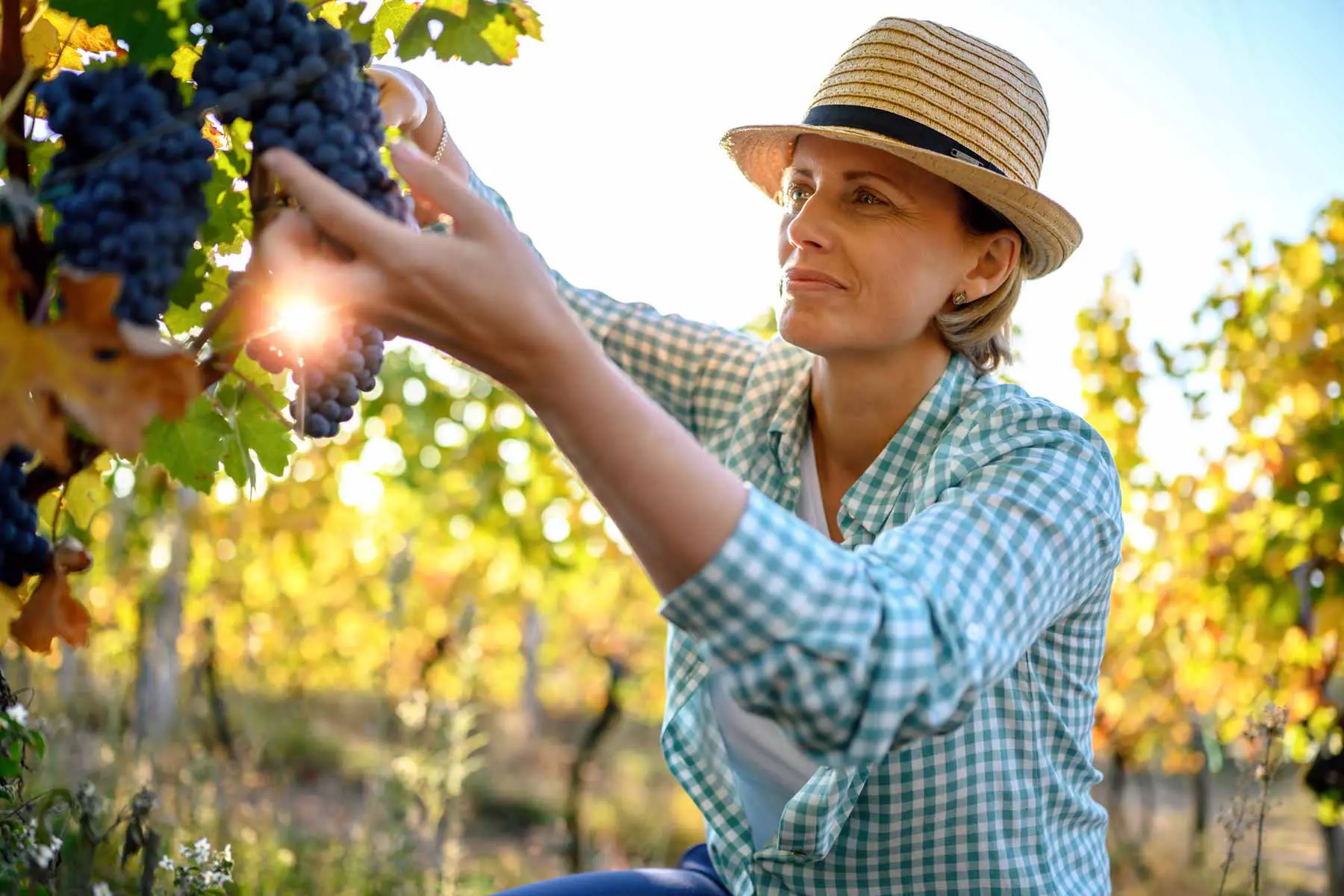
Vahşi Mayaların Senfonisi: Spontan Fermantasyonun Mikrobiyolojisi
Natürel şarap üretimini endüstriyel şarapçılıktan ayıran en keskin mikrobiyolojik çizgi, fermantasyon sürecini başlatan ve yöneten “maya” tercihidir. Fabrikasyon tesisleri, riski sıfırlamak ve şaraba yapay muz, ananas veya karamel aromaları enjekte etmek adına laboratuvar ortamında genetiğiyle oynanmış endüstriyel kültür mayalarını (Saccharomyces cerevisiae) şıraya eklerler. Oysa natürel şarapçılıkta şıra tamamen bağdan ve mahzenin loş havasından gelen o yöresel “yabani mayaların” ellerine bırakılır. Spontan fermantasyon adı verilen bu süreç, tek bir baskın mayanın değil, düzinelerce farklı yerel maya türevinin sırayla devreye girdiği kompleks bir süreçtir. Her bir yabani maya grubu, sıvının içindeki şekeri alkole dönüştürürken kendine has narin aromatik bileşikler sentezler; bu da şaraba endüstriyel mayaların asla taklit edemeyeceği muazzam bir katmanlılık, kendine özgü bir derinlik ve teruar özgünlüğü kazandırır.
Canlı Sıvının Mukavemeti: Filtrasyonsuz ve Durultmasız Şarap İşleme
Doğal fermantasyonunu tamamlayan bir natürel şarap, endüstriyel mahzenlerde uygulanan o katı bentonit, yumurta akı veya hayvansal jelatinlerle yapılan durultma, başka bir deyişle berraklaştırma ve steril filtreleme işlemlerine tabi tutulmaz. Endüstriyel sistemler, şarabı cam gibi pürüzsüz ve berrak yapabilmek adına sıvının içindeki tüm canlı tortuları, ölü maya hücrelerini ve faydalı proteinleri filtrelerle adeta kazıyarak ayıklarlar; bu da şarabın gövdesini ve lezzet ömrünü çökertir. Natürel şarap ise şişelendikten sonra bile yaşayan, evrilen ve nefes alan bir organizmadır. Şişenin dibinde görebileceğiniz o narin, hafif puslu tortular şarabın bir hatası değil; aksine onun filtrelerle hırpalanmadığının, antioksidan kapasitesinin ve dokusal zenginliğinin korunduğunun en dürüst kanıtıdır.
How Did Our Ancestors Make Wine?
The wine workshops we can find in Anatolia and surrounding geographies such as Georgia, Armenia and Iran allow us to get an idea about the wine-making methods of our ancestors. We have a very good knowledge of the chambers where the collected grapes were thrown and crushed, the pools and earthenware jars where the flowing grape must accumulated and fermentation took place, the storage jars where the wine was later stored, and the smaller amphorae used for transportation.
Atalarımızın şaraplarının hem ömrünü uzatmak hem tadını değiştirmek için katkı maddeleri kullandıklarını da biliyoruz. Reçine bunlardan bir tanesi. Yunan komşularımızın pek çok meraklısı da olan Retsina şarabı, bu uygulamanın torunu olarak hâlâ varlığını sürdürüyor. Antik dönem şaraplarının katkısız içilmediğini, sulandırılarak tüketildiğini Homeros destanlarının çeşitli bölümlerinde bize anlatır.
How Do Today's Producers Produce Wine?
The priority of today's manufacturers is to obtain the standard product that today's consumers are accustomed to and expect. To obtain this standard product, the controlled production process starting from the vine seedling and vineyard requires the use of industrial yeast that facilitates control during the fermentation phase, the equipment to manage heat and environmental conditions using today's technological possibilities, and the widespread use of filtration and band production. In terms of the risks they carry, manufacturers use today's technological possibilities to the fullest in the production steps, each of which is a separate area of expertise. But there is also a maestro who manages how all this equipment will produce wine. With this golden touch, the product reaches its final identity.
Bugünün Natürel Şarabı atalarımızınki gibi mi yapılır?
İlke olarak evet, natürel şarap bugünün üreticilerinin kullandığı araçların önemli bir bölümünü kullanmaz. Ama regülasyona bağlı bir proses denetimi olmadığı için üreticilerin kimisi fermantasyonda krom tankları kullanır. Natürel şarap üretiminde üzüm kabuğunda yer alan haliyle mayaya yer verilir, endüstriyel maya kullanılmaz. Koruyucu olarak kükürdün dışında bir katkı maddesine yer verilmez; kükürt de eser miktarda kullanılır. Fermantasyondaki ısı kontrolünü hem ortam ısısının doğal akışına bırakanlar hem de tank kullanırken bu olanaktan sınırlı ölçüde yararlananlar var. Günümüzün şarap tüketicilerinin ezici bir çoğunluğu şaraplarında tortu istemiyor; bu nedenle filtrasyon standart şarap üretiminin önemli bir parçası. Natürel şaraptaysa filtrasyona minimum ölçekte yer veriliyor.
BÖLÜM 1: Giriş ve Felsefi Temeller
Endüstriyel şarapçılığın o steril, manipülatif laboratuvar müdahalelerine karşı yükselen o ilk felsefi başkaldırıyı ve tanım kriterlerini okumak için serimizin kurucu ilk bölümüne geri dönün.
BÖLÜM 3: Sülfit Tartışmaları ve Gelecek Projeksiyonu
Şarapta kükürt (SO2) kullanımı üzerindeki o ödünsüz radikal sınırları ve koruyucusuz canlı şarapları saklamanın o zanaatkar organik risklerini öğrenmek için serimizin final bölümünü ziyaret edin.