Kavaklıdere Prestige ile Zaman Yolculuğu
Profesyonel bir dikey tadım etkinliğinde kadehleri yan yana dizdiğimizde, her rekolte döneminin şaraba kazandırdığı özgün karakteri ve zamanın asma üzerindeki imzasını çok net görebiliriz. Kavaklıdere’nin şarap sektörü profesyonelleri için düzenlediği ve üretim ekibinin anlatımıyla gerçekleştirilen bir dikey tadım etkinliğine katılma fırsatımız oldu. WAYANA ekibinin menüde yer vereceği şarapların seçimine odaklanan özel tadımları bizi Kavaklıdere Şarapları Pazarlama Yöneticisi Yasemin Taşlıca hep çok etkilemiştir. Uzun yıllardır Kavaklıdere çatısı altında bulunmasının sağladığı birikim sayesinde yalnız tadım değil, şarapların arkalarında bıraktıkları yolculukların hikâyelerini de Taşlıca’nın ağzından dinleriz ve bizim için bu tadımların büyük önemi vardır.
Zamanın Teruar Üzerindeki İmzası ve Rekolte Algısı
Since 1929, Kavaklıdere Wines has been one of the most prominent players in the Turkish wine industry — and, in many ways, perhaps the foremost. It should come as no surprise that many professionals who hold key positions in Turkey’s wine production, marketing, and sales channels have, at some point in their careers, had a stint at Kavaklıdere, whether brief or extended. In a country where wine often treads a controversial path, one can only imagine the struggles involved in securing such a position.
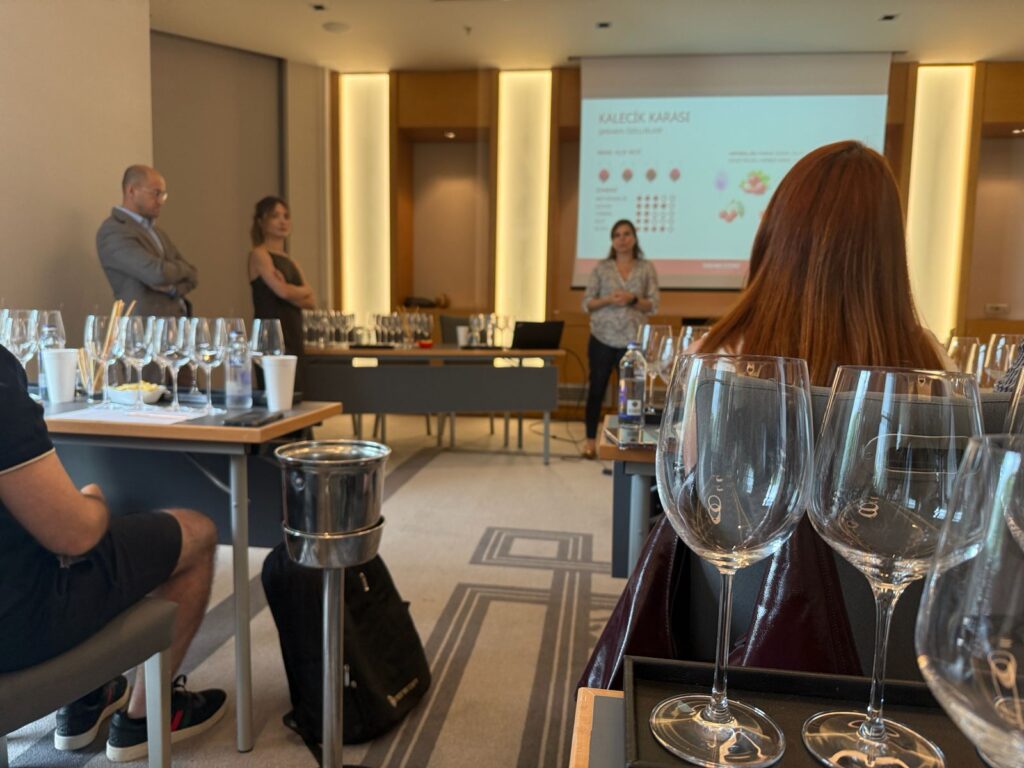
After brief opening speeches by Cevza Başman and Yasemin Taşlıca, the stage was handed over to two of Kavaklıdere’s winemakers. Sanem Karadeniz and Faruk Kaya, both deeply passionate about their craft, shared the tremendous expertise behind the distinctive character of these wines, speaking with the humility of true professionals. Capturing their insights on paper is, in a sense, recording a moment in time. We hope these reflections will also resonate with fellow wine enthusiasts.
Birinci Bölüm: Kavaklıdere Prestige Kalecikkarası 2009-2011-2019-2021
Kalecikkarası, adını Ankara’nın Kalecik ilçesinden alan ve ülkemizin (benzer makus kadere sahip pek çok örneği bulunan) yok olmaktan son anda kurtarılmış üzümlerden birisi. Bu üzümün yaşama geri dönüş öyküsünde Kavaklıdere’nin önemli bir yeri var. Bağların korkulu rüyası filokseranın kurbanı olan Kalecikkarası üzümünün kurtarılması için Ankara Üniversitesi Ziraat Fakültesi’nin yürüttüğü projeden haberdar olan Kavaklıdere, kendi gücünü de proje çalışmalarının içine katmış. Aslında bugün Kalecikkarası içebiliyorsak, bunu o yıllarda verilen bu koordine mücadeleye borçluyuz.
Winemakerlarımız Kavaklıdere Kalecikkarası bağlarının bulunduğu alanların dağılımını gösteren haritalar eşliğinde Prestige serisinde yer alan şarapların yetiştikleri bölgeleri ve bu bölgelerde, özellikle iklim etkisiyle, yaşanan değişiklikleri aktardılar.
As the presentations progressed, we gained a clearer understanding of the severe decline taking place in our country’s viticultural landscape — and, to be honest, began to feel the weight of it all.
Hemen her üzüm çeşidinin, bağdan başlayarak üretimin her aşamasında, kendine özgü hassasiyetleri olduğunu biliyoruz. Kalecikkarası üzümünün nasıl sıkı takip gerektirdiğini ve bir günlük gecikmenin nasıl ağır sonuçlar yaratabildiğini uzmanların ağzından dinledik. Tabiatın cömert karakterinin artık değiştiğini, hem yağış hem de yeraltı su kaynakları açısından yaşananların rekolteleri nasıl derinden etkilediğini öğrendik.
During the talk, the technical team emphasized the importance of micro-oxygenation (the controlled, gradual introduction of oxygen into wine, which aids in its aromatic evolution and texture). They also discussed how this process interacts with cork, and highlighted differences between wines aged in magnum bottles (1.5 liters) versus standard bottles (0.75 liters).
Among the four vintages of Prestige Kalecikkarası we tasted, the 2009 vintage had clearly passed its prime. Its fruit aromas had evolved into stewed and jammy fruit notes. In contrast, the 2011 vintage exemplified the graceful maturation we expect from Kalecikkarası — almost whispering, “Drink me before it’s too late.”
The 2019 vintage stood out with aromas of red fruits intertwined with delicate spice notes on the nose. On the palate, it showcased fine acidity and silky tannins, emerging as one of the most balanced examples in the series — dignified yet vibrant.
Özellikle 2020 yılından sonra iklim değişiminin çok daha sert etkilerinin görüldüğünü anlattılar konuşmacılarımız.
We often tend to think of climate change as merely rising temperatures. Yet the real issue lies in extreme weather events. Conversations with elderly villagers in the vineyard regions revealed that this year’s devastating frost was unprecedented in their lifetimes.
Terroir is indeed a concept that encompasses climate. Traditionally, climate has been viewed as a stable factor, observable over long periods. But now, we see climate taking on a far more aggressive and volatile personality. This new face of climate change reduces not only yields but also the overall quality of grapes.
İkinci Bölüm: Kavaklıdere Prestige Boğazkere 2015-2018-2019-2022
After a short break, we turned to a tasting dedicated to Boğazkere. The picture painted by Karadeniz and Kaya was even more poignant for this grape. Born in Diyarbakır, Boğazkere is affected not only by climate change but also by the region’s social and political developments.
Diyarbakır bölgesinde bağların ağırlıklı olarak 4-6 dönüm gibi küçük ölçekte olmaları, yaşı ilerleyen bağcıların işi sessizce bırakıp gitmelerini kolaylaştırıyormuş. Artık ailelerin yaşamlarını sürdürmeye yetecek gelir sağlayamayan bağlar kendi haline bırakılıp terk ediliyormuş. Özellikle genç jenerasyonun bu bölgenin kırsalından kentlere göç etmesi ve çiftçilik yapmak istememesi, bu süreci hızlandırıyor. Ve her terk edilen bağ, kültürümüzden kopan bir dal gibi yüreğimizi acıtıyor. Yıllar içinde 4.000 ton olan Boğazkere hasılası en son 1.700 tona gerilemiş ve gerilemenin devam edeceğini tahmin ettiklerini hüzünlenerek anlattı Kavaklıdere ekibi.
Boğazkere, bizim topraklarımızın en özgün üzümü ve son dönemde yapılan DNA analizlerinden vahşi asmayla (bilimsel adıyla Vitis Vinifera sylvestris) büyük bir yakınlığı olduğunu öğrendik. Boğazkere, güçlü şarapları tercih eden şarap tutkunlarının her zaman göz bebeği olacak şaraplar verir. Prestige serisi Boğazkere şarapları bizi yine yanıltmadı. Tattığımız ilk üç şarabın her biri, birbirlerinden küçük detaylarla ayrışan ama içenleri çok memnun eden örnekler oldu. Dördüncü şarap henüz şişelenmemişti, bizim için tanktan alınarak getirilmişti ve parlak bir geleceği olduğunu müjdeliyordu. Şişelendikten sonra bir yıl kadar bekletileceğini düşünecek olursak, 2026 menülerimizde yer alacak.
Üretim ekibi, Kalecikkarası ve Boğazkere’nin maserasyon (kabukların üzüm şırasının içinde tutulması) sürelerinin ve uygulama biçimlerinin ne kadar farklı olduğunu anlattı. İki üzümün yapısal farkının olgunlaşmaları tamamlandığında tanktan (bu işleme tankın açılması diyorlar) alınması esnasında nasıl belirginleştiğini dinledik. Boğazkere’nin adeta taşlaşan kabuklarının boşaltılmasının nasıl bir efor gerektirdiğini, bu deneyimi bizzat yaşayan Faruk Kaya’nın ağzından dinledik.
We had noticed nine empty glasses placed before us and, despite trying to coax Yasemin Taşlıca for clues, we hadn’t managed to discover the identity of the surprise wine. In the end, they brought out a 2004 vintage Prestige Boğazkere. It was impossible not to respect this wine, which so beautifully captured Boğazkere’s strength and character.
Eğer Boğazkere seven bir şarap severseniz, bir sonraki WAYANA ziyaretinizde denemenizi öneririz. Çok az sayıda kalan örnekten bize birkaç şişe vermeye ikna etmeyi başardık.
Final Word
Ana çerçevesini yukarıda çizdiğimiz tadımda elbette daha pek çok şey konuştuk ama en önemli başlıkları yukarıda sizlerle paylaştık. Yukarıda yazmadığımız ayrıntılardan birisi, şaraplarda kullanılan üzümlerin yetiştiği asmaların Vitis vinifera, yani orijinal kökleri üzerinde yer almasıydı. Filoksera sonrasında Avrupa bağcılığının ezici bir çoğunluğu, filokseradan etkilenmeyen Amerikan asma fidanlarına şaraplık üzümleri aşılayarak şarapçılığı sürdürebildi. Bizim yerel üzümlerimizin bir bölümünün hâlâ kendi kökleri üzerinde olan Vitis vinifera asmalarından olması, en büyük şanslarımızdan birisi.
Kavaklıdere’nin düzenlediği bu tadım, yalnızca şarap içmek değil, belleğimizi, toprağımızı ve geleceğimizi yeniden tadabilmek, rekolte farklarının kadehlerdeki yansımasını anlayabilmekti. Bilgilerini bizden esirgemeyen Sanem Karadeniz ve Faruk Kaya’ya, organizasyonun kusursuz biçimde işlemesini sağlayan Yasemin Taşlıca’ya teşekkür ediyoruz.
Zamanın, iklimin ve rekolte farklılıklarının kadehteki bu büyüleyici serüveni, profesyonel tadım metodolojileri ve teruarın mikro detayları ilginizi çekiyorsa, blogumuzdaki diğer derinlemesine araştırmalarımıza da göz atabilirsiniz:
Kadehteki bu duyusal değişimlerin ardındaki derin nörolojik süreçleri, beynimizin ve anı hafızamızın rekolteler arasındaki aromatik farkları nasıl algıladığını okumak için Nörobilim, Duygular ve Kadehin Yeni Dili makalemizi inceleyebilirsiniz.
Dikey tadımlarda her rekoltenin karakterini kusursuz bir berraklıkla ortaya koyan en temel görsel kriteri; rengin antik çağlardan modern spektroskopi laboratuvarlarına uzanan evrimini görmek için Şarapta Renk Kavramının Tarihsel Seyri çalışmamıza göz atabilirsiniz.
Doğru seçilmiş bir kadeh şeklinin, farklı yıllara ait aynı şarabın aromatik katmanlarını ve rekolte nüanslarını damağa nasıl tamamen farklı aktardığını deneysel verilerle okumak için How Glass Shape Changes Tasting rehberimize bakabilirsiniz.
Duyusal analizin ve damağımızdaki aromatik algı kırılmalarının, tıpkı parmak izi gibi her bireyin zihninde nasıl tamamen taklit edilemez ve özgün bir dünya şekillendirdiğini anlamak için Damağımızla Parmak İzimizin Birbirinden Farkı Yok! yazımızı ziyaret edebilirsiniz.