Şarapla ilgili filmlerin çoğunda izleyicinin gönlünü fethettiği sahnelerden birisi, üzümlerin çıplak ayaklarla veya çizmelerle ezildiği sıkım sahneleridir. Şarap yapımının her evresi şiirseldir, ama sıkım aşaması sessiz bir dönüm noktasıdır. O andan sonra artık üzüm “meyve” olmaktan çıkar; sıvıya dönüşür, gelecekteki şarabın dokusu, aroması ve ruhu burada şekillenir.
Şarap üretiminde en çok konuşulan aşamalar fermantasyon ve yıllandırmadır. Oysa üzümlerin nasıl sıkıldığı, yani şarabın preslenmesi karakterini belirleyen ilk büyük kararlardan biridir.
Milyarlarca litrelik üretimlerin yapıldığı bugünün dünyasında üzümün ayakla ezilmesini bırakın, kollu mekanik preslerle ezilmesinin bile giderek azaldığını görüyoruz. Bu yazımızı şarabın niteliğini etkileyen önemli aşamalardan biri olan üzümün sıkılması başlığına ayırdık.
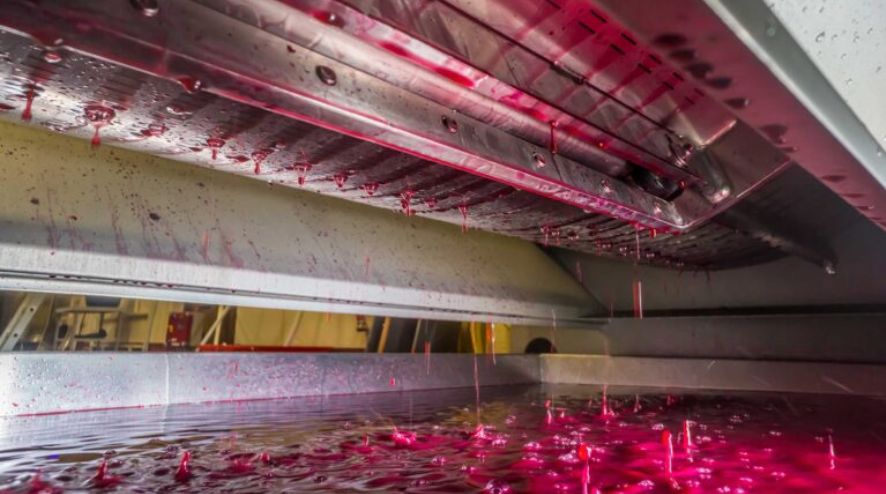
Şarap preslemesinde bir zamanlar ağaç kollar dönerdi
The earliest presses relied on giant oak beams, turning levers, and creaking gears. That image remains etched in the cinematic imagination of “winemaking.”
Today’s presses, by contrast, work in near silence — and they’re intelligent. Pneumatic systems, programmable pressure curves, temperature sensors, and vacuum-controlled environments allow winemakers to coax, not force, the juice out of the grape.
In other words, wine has become a matter of patience, not power.
Modern preslerin çeşitleri
Modern wineries use three main types of presses:
1. Continuous Presses:
The choice of large-scale producers. A continuous screw pushes the grapes through the system, squeezing them nonstop. Efficiency is high, but elegance is low: seeds, skins, and solids are over-extracted, phenolic load increases, and subtlety fades.
2. Pneumatic (Air-Bag or Membrane) Presses:
The global favorite today, used in roughly 55% of modern wineries.
Inside a drum-shaped body, a flexible balloon inflates, gently compressing the grapes. Then it rests, rotates, and repeats — gradually, without breaking the skins.
This cycle preserves aroma, minimizes oxidation, and keeps the must clear.
3. Basket Presses:
The oldest, yet still the most respected. Working vertically, the grapes remain in place as a piston presses from above.
Although the pressure appears higher, the process is actually delicate. The grape skins create their own internal resistance — a natural barrier that prevents over-extraction.
Şarap üretiminin profesyonelleri, sepet pres tekniğinin yapısal olarak şarabı güçlendirdiğini, adeta ona omurga kattığını ve yıllanma potansiyelini artırdığını söylerler.
Şıraya yakından bakıp karşılaştıralım:
| Şıra | Özelliği |
|---|---|
| Serbest akan şıra | Daha zarif, daha düşük fenolik yük |
| İlk pres fraksiyonu | Dengeli yapı |
| Son pres fraksiyonu | Daha yüksek tanen ve fenolik madde |
The “Free Run” Miracle — and Its Limits
The juice that flows freely, without any applied pressure, is known as free run. It’s often considered the purest, most precious portion of the must.
Yet research shows that even this miracle has limits.
Dr. Konrad Pixner of the Laimburg Agricultural Research Center, in his study on Pinot Bianco, found that wines made solely from free-run juice were “too light, lacking complexity, and lost their varietal character.”
Sometimes, a little pressure — a little resistance — is necessary. Depth in wine often comes from pushing the fruit gently beyond its comfort zone. Studies even show that controlled stress can enhance grape quality; the extraordinary performance of wines from drought years is one of its signs.
What Happens as Pressure Increases?
As pressure rises, the grape dissolves layer by layer — chemically and physically. Here’s how the juice evolves step by step:
- Early pressing: high acidity, bright citrus tones, crystal-clear must.
- Mid-range pressure: phenolic compounds from near-skin cells emerge, acidity drops, pH rises, aromas shift toward riper, fuller fruits.
- Excessive pressure: bitterness and harsh tannins seep from the seeds.
That’s why a winemaker must treat the press like a musical instrument. The right amount of force requires the hand of a virtuoso — one calibrated to extract just the right balance of purity and depth.
A Different Balance in Red Wines
In white winemaking, pressing comes before fermentation — to avoid skin contact.
In reds, it’s the opposite: fermentation and maceration occur first, extracting color and tannin, and pressing comes later.
Yapılan araştırmalar, sıkımın son üçte birinde tanenlerin sertleştiğini gösteriyor. Yüksek basınç (2 barın üzerinde) ve pomace, yani üzüm posasının “kırılması” işlemi, istenmeyen acı bileşenleri serbest bırakabiliyor.
Studies show that during the final third of pressing, tannins become harsher. Pressures above 2 bar, or excessive breaking of the pomace, release unwanted bitter compounds. The floating cap that forms during this phase often contains volatile acids and coarse tannins — many winemakers discard it entirely to preserve finesse.
Whole Clusters or Destemmed Grapes?
A study on rosé production in Italy gave a clear answer.
Whole clusters pressed under low pressure produced similar color intensity, while destemmed and lightly crushed grapes yielded brighter color and fruitiness as pressure increased.
That means the producer has creative control: by choosing whether to press whole clusters or individual berries — and by adjusting pressure — they can shape the style of a rosé without a single chemical additive.
The Invisible Role of Temperature
Even the press room is now a climate-controlled environment.
In Champagne, producers chill grapes below 3 °C before pressing. Cold pressing reduces tannin and anthocyanin solubility, resulting in a finer, more delicate base wine. As temperature rises, the juice becomes cloudier and more phenolic.
In short: cool heads make elegant wines.
The Economics of Pressure
There’s no global dataset on the proportion of press types used in wineries, but cross-referencing various sources suggests roughly:
- Continuous screw presses: about 15% or less, typical in high-volume commercial production.
- Basket presses: around 40%, mainly small and premium producers.
- Pneumatic/membrane presses: the majority — about 45–50%.
Yes, free run juice is valuable and graceful, but the precision and control of modern presses have elevated winemaking itself.
Sonuç: Şarabın nabzı preslemede atar.
Pressing grapes is not merely a mechanical act — it’s a form of emotional engineering. Every carefully measured pressure reveals hidden sides of the fruit.
Some wines remain quiet; others find their voice. But whether they speak or stay silent — that destiny is decided here, in the press.
Bu yazı ilginizi çektiyse, aşağıdaki yazıların üzerlerine dokunarak göz atabilirsiniz.
WAYANA 101: Üzüm Tanesinin Şarap Yolculuğu
WAYANA 102: From Must to Bottle
Şaraptaki Floral Yapı Nasıl Oluşur?
Şarap Analizinde Yeni Çağ: Tanen ve Asitlerin Moleküler Parmak İzi