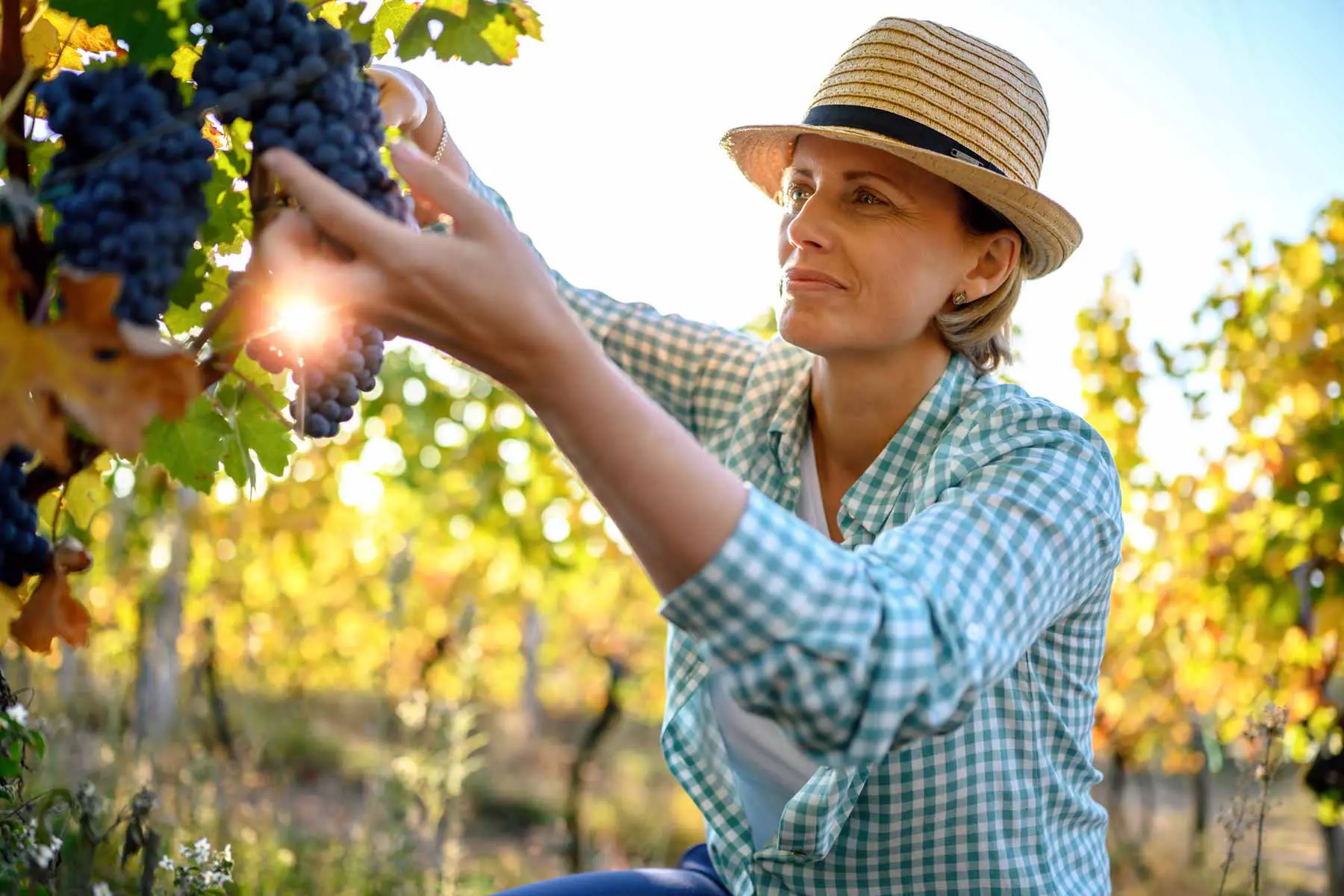
Küresel iklim krizinin tarımsal alanlardaki sessiz yıkımını izlerken, asırlık bağlar doğanın en duyarlı ve en asil alarm mekanizması olarak öne çıkıyor. Bilim insanlarının mevcut duruma ilişkin çektikleri resmin özetini izleyen iki paragrafta paylaşıyoruz.
Fenolojik Faz Kaymaları: Asmanın Biyolojik Saatindeki Bozulma
Asmanın tarımsal üretimin kanaryası olarak kabul edilmesinin arkasındaki asıl botanik gerçek, onun dış sıcaklık, nem ve toprak kimyasına karşı gösterdiği o olağanüstü “fenolojik” hassasiyettir. Küresel ısınmayla birlikte kış uykusundan çok daha erken uyanan asmalar, ilkbahar döneminin o öngörülemeyen yıkıcı geç donlarına tamamen savunmasız yakalanmaktadır. Bitkinin biyolojik saatindeki bu dikey kayma, çiçeklenme, tane tutumu ve nihayetinde hasat döngülerini tamamen kaotik bir sürece sürüklemektedir. Üzüm tanesindeki o narin fizyolojik denge bozularak şeker birikimi kontrolsüzce tırmanırken, şarabın dikey asidite omurgasını oluşturan asitlerin sıcaklık baskısıyla hızla erimesi, asmanın klimatolojik kriz sinyallerini en çıplak hâliyle ortaya koymaktadır. Diğer pek çok endüstriyel tarım ürünü bu mikrodeğişimleri gövdesinde kamufle edebilirken, asma bunu doğrudan kadehteki alkol-asit-tanen dengesinin sarsılmasıyla dünyaya ihbar etmektedir.
Monokültürün İllüzyonu ve Teruar Direnci Olarak Biyoçeşitlilik
Maden ocaklarındaki kanaryanın zehirli gazları önceden haber vererek madencilerin hayatını kurtarması gibi, bağların verdiği bu sarsıcı iklim alarmları da endüstriyel tarımın o tektipleştirici, monokültür illüzyonuna karşı insanlığı uyaran en güvenilir fenerdir. Kimyasal gübrelerle, pestisitlerle ve yapay sulama sistemleriyle toprağı sömüren endüstriyel tarım modelleri, biyoçeşitliliği tamamen yok ederek doğayı kırılganlaştırmaktadır. Oysa teruar direnci yüksek, organik ve biyodinamik tarım yöntemleriyle işlenen bağ alanları, etrafındaki yabani florayla, çam ormanlarıyla, arılarla ve örtücü bitki örtüsüyle dikey birer ekolojik sinerji kurarak iklim krizine karşı muazzam bir mukavemet alanı oluşturur. Asmanın feryadı, aslında endüstriyel tarımın o bencil ve tektip sınırlarından kurtulup doğanın o çoksesli, dürüst ve ekolojik ritmine dönmemiz gerektiğinin en büyük kanıtıdır.
İki Yazıdan Bağcılık ve Şaraba Yansıyanlar
Articles, on the effects of climate change caused by global warming on the ecosystem in a broad sense and on agricultural production in a narrow sense, are now very common. The title of one of the two articles written recently was very interesting. We borrowed the title of the article that questions whether vineyards, like canaries in a cage used as a sign of gas leakage in coal mines, are also a sign of agricultural collapse.
The medium, in which another article on this subject was published, was more interesting than the article itself. In its online version, the qualified technology magazine WIRED drew attention to concerns about viticulture and winemaking from a completely different sector in its article about the taste change that climate change will cause in wines.
Despite all our efforts as a human species, we are mortal and our average life expectancy has been extended to 70-80 years. Authorities say that this period will not undergo a radical change in the very short term. They also keep the possibility open that longer periods will be on the agenda in the medium term. Therefore, we, the singular examples of our species, see no harm in denying change if we do not see change at the pace we want. Global warming is a good example on this subject. Let's give an example of this if you wish.
ABD geniş bir coğrafyaya yayılıyor. Bu coğrafyada bağcılığıyla öne çıkan, ülkenin genellikle güney kısmında yer alan ılıman bölgeler var. 1950’li yıllarda bağcılıkla anılan bölgelerin arasında ülkenin kuzeyinde yer alan Michigan eyaleti yok. O dönemde bu bölgede profesyonel bağcılık yapan yer de yok. 2020’li yıllara geldiğimizde Michigan eyaletinde adından söz ettiren Riesling şaraplarının üretildiğini ve raflarda aranan ürünler haline geldiğini görüyoruz. Yani, küresel ısınma geride bıraktığımız 70 yıl içinde, daha önce bağcılık yapılmayan bir eyaleti nitelikli şarap üreten bir eyalet haline getirmiş. Bizim ortalama yaşam süresi olarak aldığımız 70-80 yıl aralığını hatırlarsak, bir jenerasyon, aktif çalışma hayatı olarak baktığımızda da yaklaşık iki jenerasyon süren bir döngüden bahsediyoruz.
Bu yıl İngiltere’nin kendisinin ürettiği şaraplarda ulaşılan miktar, basında haber başlığı olarak yer buldu. Son yıllardaki konuşmalarda şampanyaya tescilli adını veren Champagne Bölgesi’nin yaşadığı iklim değişiminin ürünlerde meydana getirdiği olumsuz etkilerden konuşulduğunu duyduk. Toprak yapıları birbirine çok yakın olduğu için Manş Denizi’nin karşı sahilindeki İngiliz topraklarının şampanya üretimi için giderek şansının yükseldiğini dile getiren açıklamalar yapıldı. Yaşadığımız topraklarda Türk üreticiler hasat zamanının 2 ilâ 4 hafta geriye geldiği yıllarla tanışmaya başladılar.
Hâsılı, küresel ısınma veya adını ne koyarsak koyalım, iklimde yaşadığımız değişme, başta bağcılık olmak üzere tarımsal üretimimizde radikal değişiklikler yaratabilecek kritik eşiğe neredeyse geldi. Her zaman olduğu gibi, insanın adaptasyon kabiliyeti ve bu kabiliyetin bilimsel araçlar yardımıyla sistematik bir biçimde yaşama entegre edilmesi mümkün. Ama bu çalışmanın uygulamaya geçirilmesi için zaman penceresi daralıyor. Üstelik bu değişimin kaçınılmaz etkileri gereği Premium olarak kabul edilen kimi bölgeler bu özelliklerini koruyamayacaklar. Bu bölgelerin seçkin ürünleri artık kendilerinden beklenen performansa sahip ürünler veremeyecekler. Bu yanıyla WIRED dergisindeki yazarın mahzenlerin dolu tutulması önerisi, ironik bir doğruluk payı içeriyor.
Ama yine de enseyi karartmamak lâzım. İklim değişimi farklı coğrafyalarda yeni premium bölgelerin ortaya çıkmasını sağlayacak. Hollanda’nın ve İsveç’in bağcılıkta gösterdiği büyük gelişme bunun canlı örneğidir. İyimser olmak için her zaman gerekçemiz var, ama ağır kayıplara uğramamızın sebebinin de açgözlülüğümüz olduğunu unutmamak gerek.
Below are the links to the two articles we referenced in the article:
https://murderiseverywhere.blogspot.com/2023/08/canary-in-coal-mine.html
Asmanın o narin gövdesinde tescil ettiği ekolojik alarmlar, küresel iklim krizinin bağlar üzerindeki o fiziksel tahribatları ve sürdürülebilir gelecek projeksiyonları ilginizi çekiyorsa, blogumuzdaki diğer nitelikli teknik ve ekolojik araştırmalarımıza da göz atabilirsiniz:
Bağların verdiği bu sarsıcı klimatolojik alarmları rasyonel OIV verileriyle birleştirerek, küresel şarap rekoltesindeki o dramatik ve dikey hacimsel düşüşleri incelemek için Şarap Üretimi Düşüyor mu? makroekonomik enoloji analizimizi ziyaret edebilirsiniz.
Asmayı iklim krizinin yakıcı etkilerinden kurtarmak adına asırlık kupaj kurallarını esneterek kuraklığa dayanıklı yeni asil varyetelere (Touriga Nacional gibi) kapı açan o görkemli Fransız gelecek adaptasyonunu okumak için Bordeaux 2050: Gıpta Edilecek Proje klimatolojik tarım çalışmamızı keşfedebilirsiniz.
Milyonlarca yıllık jeolojik felaketleri, buzul çağlarını ve dikey kitlesel yok oluşları kendi genetik mukavemet kalkanıyla aşarak günümüze ulaşan asma familyasının o büyüleyici paleobotanik tarihini öğrenmek için Dinozorlar ve Asmalar: Asma Familyasının Evrimsel Kökenleri evrimsel ekoloji monografimizi inceleyebilirsiniz.
İklim krizinin getirdiği bu ağır ekolojik şoklara karşı asmayı tamamen sentetik kimyasallardan arındırarak; bağ toprağını kozmosun, ayın evrelerinin ve doğal preperatların o uyumlu gücüyle buluşturan dikey tarım disiplinlerini görmek için Biodynamic Wines ekoloji kılavuzumuza bakabilirsiniz.