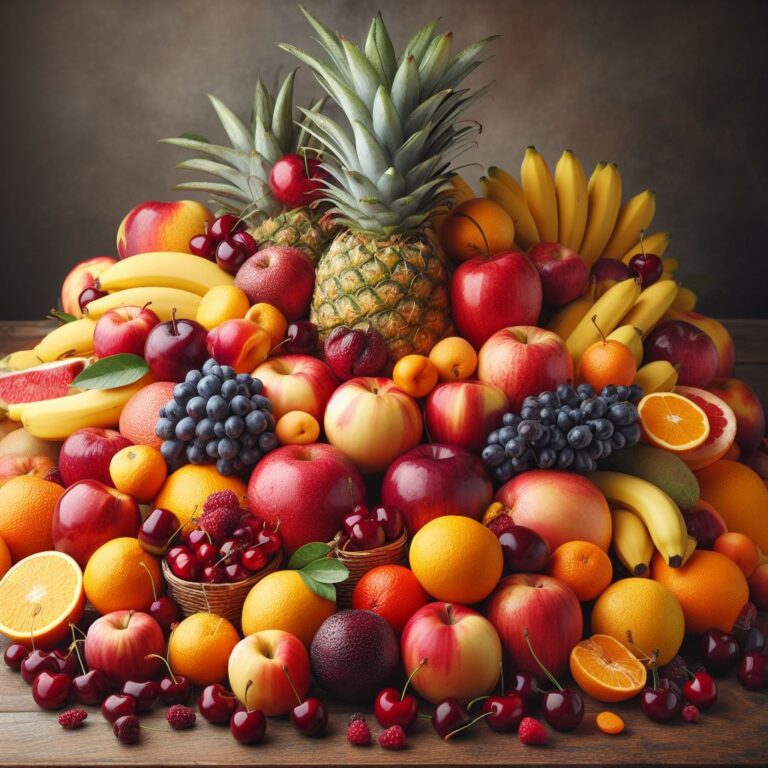
NOTICING FRUIT WHILE DRINKING WINE
"When I take a sip from my glass, it is impossible not to be impressed by the taste of plum. What about the lime that comes from behind?"
"When I take a sip from my glass, it is impossible not to be impressed by the taste of plum. What about the lime that comes from behind?"
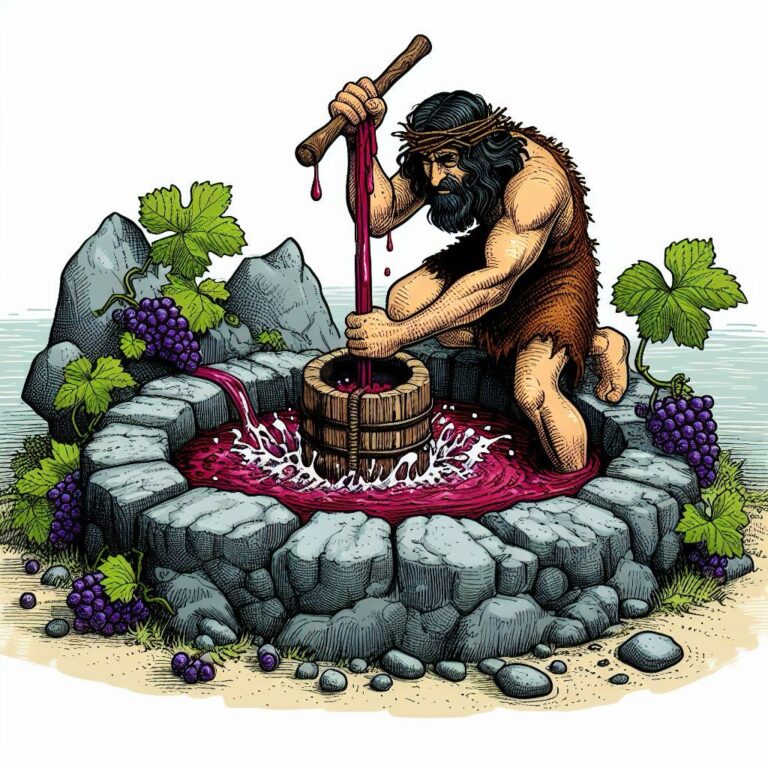
The language used in the wine world is extremely prone to include foreign words. This must have been accepted partly because it serves the feature of being the 'drink of the elite', which is associated with wine. The fact that wine has been banned in terms of production and consumption by a large segment of society for the last seven hundred years in the lands we live in, has prevented the formation of a wine dictionary that spread to the base of society. But the literate segment, which constituted one percent of the society (the elite of that period), managed to create an enormous wine lexicon in Ottoman, the elite language of that period.
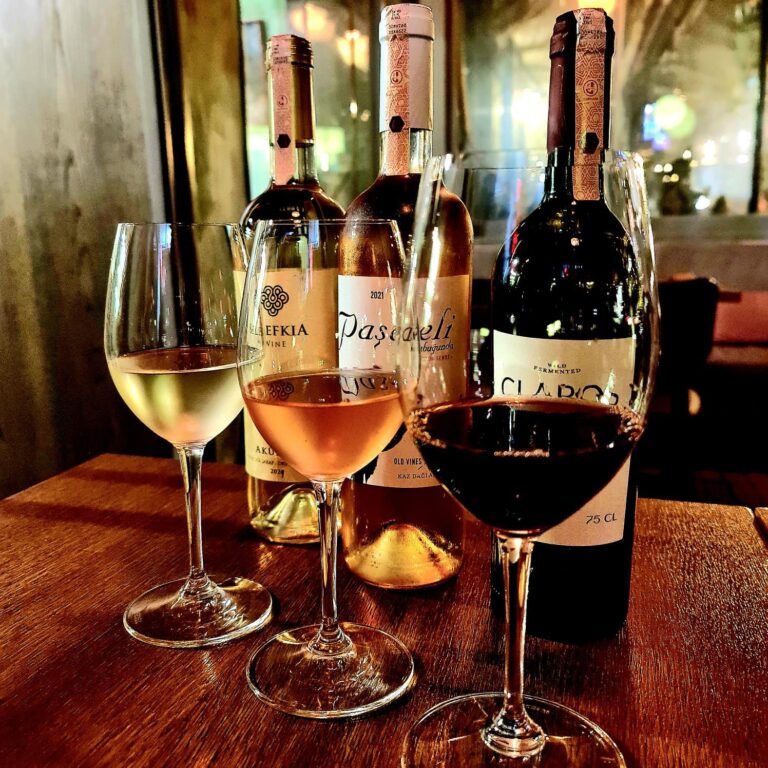
We devoted the last part of our Natural Wines article series to the wines and producers at the tasting we will hold on Sunday, March 10th. We have listed the products in alphabetical order of manufacturers.
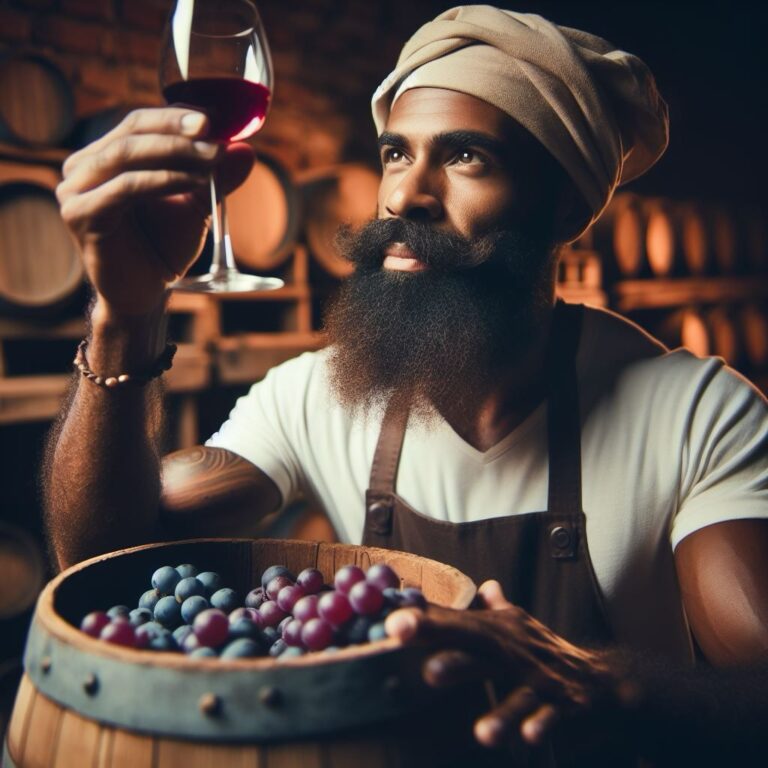
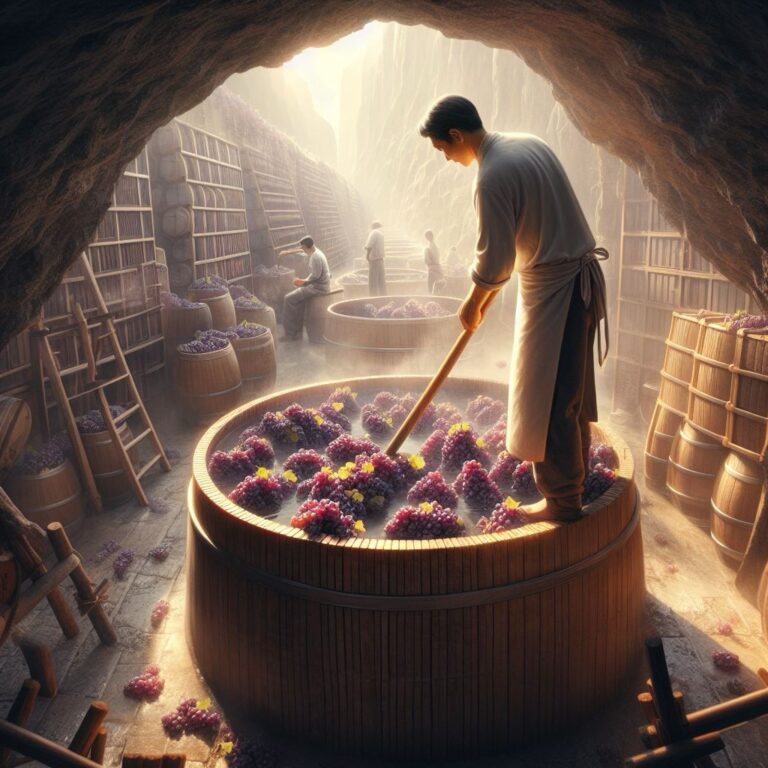
The wine workshops we can find in Anatolia and surrounding geographies such as Georgia, Armenia and Iran allow us to get an idea about the wine-making methods of our ancestors. We have a very good knowledge of the chambers where the collected grapes were thrown and crushed, the pools and earthenware jars where the flowing grape must accumulated and fermentation took place, the storage jars where the wine was later stored, and the smaller amphorae used for transportation.
Although the number of examples in our country is not yet large, we observe that the interest in natural wine and natural wine varieties is increasing. In fact, with the strength we received from this increase, we included a new section titled Natural Wines in the latest update of the WAYANA Wine Menu. Thus, we wanted to ensure that our curious wine-loving guests could quickly see the natural wines scattered throughout the pages. From now on, natural wine lovers will have the opportunity to meet glass by glass with natural wines produced in Turkey at our WAYANA Wine Bar in Kadıköy, Istanbul.
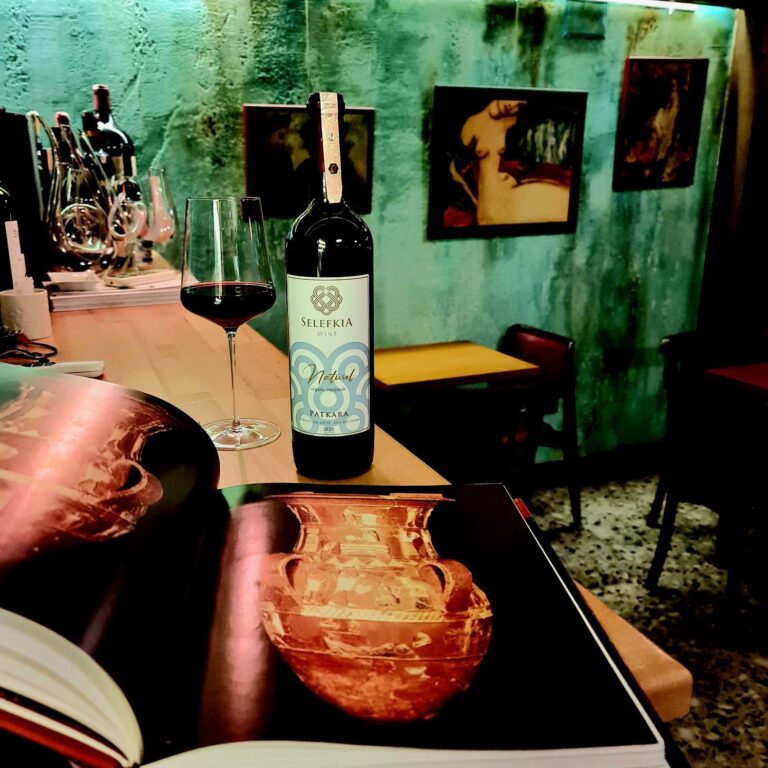
The history of the lands we live in is so rich that the main difficulty in choosing civilizations boils down to priority. Wine is at the focus of our event, due to the work we do. Wine found a place in almost all of the civilizations that lived in Anatolia.

When we launched WAYANA, we did not just open a wine house. We had many dreams of embracing wine culture not just in words but in substance and we managed to keep them alive. Aspiring to have the widest winery service in Istanbul, but not with the claim of being the largest; our goal was to provide a wealth of content that includes what true wine lovers are really looking for. Guess what? We made it. Now WAYANA serves 450 Turkish wines.
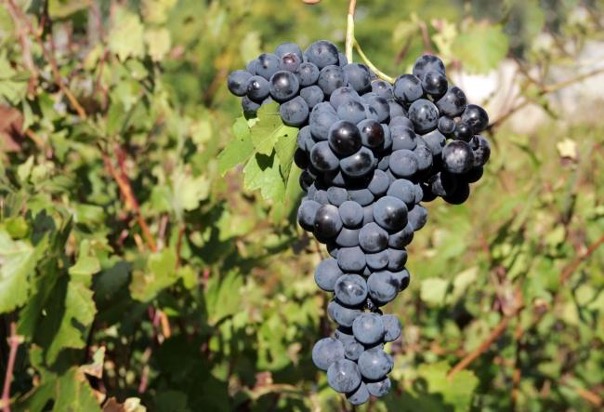
One of the most important motivations for us for founding WAYANA, perhaps the first one, must be our belief in the richness that our country will provide with wines made from an extraordinary variety of endemic grapes.
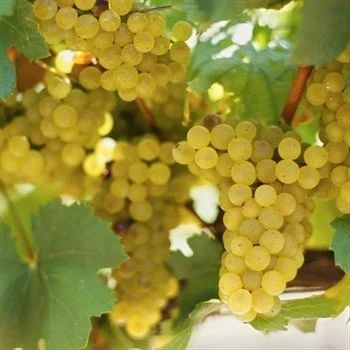
When we looked at the sources about the grape that gave life to Osmanca wine, which recently entered the WAYANA Wine Menu, we were honestly confused. We have already learned that the grape of this elegant wine is Gökçealan Village in İzmir's Selçuk district. Gökçealan makes a name for itself as a modern residential area that leaves very good impressions on those who visit the town.

In one of our bulletins in December, we announced a new decision that would deal a heavy blow to wine production in Turkey. It is an unreasonable practice to demand guarantees against the possibility of not being able to collect unpaid taxes, which will put even more difficulty on the already fragile financial structures of small producers. We hope that the efforts made to prevent this practice from being implemented will not go unrewarded. We already know how Turkey's view of wine has changed in the last twenty years, especially with Special Consumer Tax and Tax Label practices. So, is this just our country? The answer to that question is no, and we are at a point where we need to be concerned about where this change might be heading not only in Turkey but also in the world.


