By now, we’re all well aware of how rising temperatures due to climate change are affecting grape ripening. Looking at recent global political shifts, the outlook for efforts to slow down and control climate change isn’t exactly promising. The U.S. had been offering only reluctant support to the process, and with the new President in office, the direction has become even clearer.
For those who understand that saving the world isn’t a job for just a few, adaptation is the best way forward. In this article, we’re sharing insights from a Spanish study that explores how vineyard practices can be adjusted to enhance wine quality, even in the face of a changing climate.
Rising temperatures have several immediate effects on grapes, and a few stand out in particular. The first is an earlier harvest season. The second is the increasing sugar concentration in grape juice, making it harder to produce wines with lower alcohol levels. To put it in technical terms, by the time grapes reach phenolic ripeness, their potential alcohol content often exceeds 15%, leaving winemakers with little choice but to produce higher-alcohol wines.
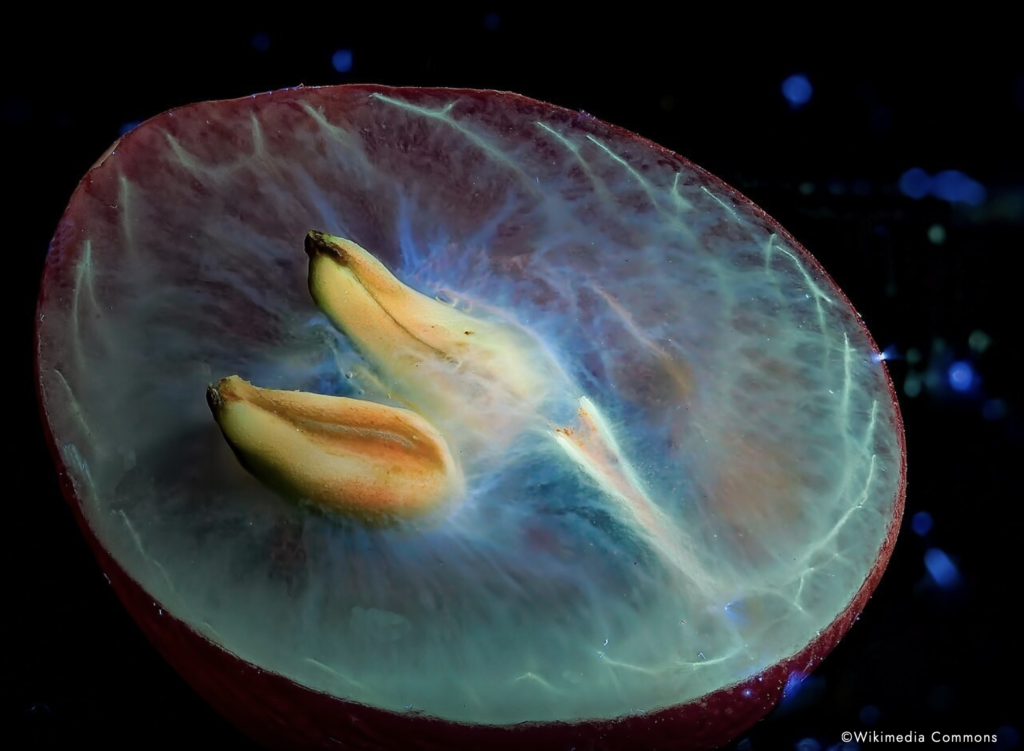
A study conducted at the University of Murcia in Spain set out to determine whether adjusting harvest timing could help mitigate this issue. The research team found that harvesting early—before full ripeness—did indeed lower potential alcohol levels, but it also came with challenges. The grape seeds retained a sharp bitterness, color stabilization became more difficult, and overall ripening potential was compromised.
To tackle these challenges, the researchers worked with Monastrell, a local Spanish grape variety. Their main focus was to see how removing the grape seeds before winemaking would affect the phenolic and aromatic compounds that contribute to flavor, as well as the wine’s color and maturation process. Naturally, they tested this with two different groups of grapes.
In the control group, the grapes were harvested at full ripeness, with seeds left intact, resulting in a wine with 14.6% alcohol. In the test group, the grapes were harvested early, their seeds were removed, and the final alcohol level was 12.4%.
When the researchers compared the resulting wines, they found some remarkable outcomes:
- Removing the seeds from early-harvested grapes nearly eliminated the sharp bitterness.
- Color stabilization was not negatively affected.
- Fruit aromas became more pronounced.
- The wine made from early-harvested grapes performed similarly to the fully ripened grape wine in terms of overall profile.
These findings suggest that carefully timed early harvests, combined with seed removal, could be a promising strategy for producing balanced wines with lower alcohol levels in a warming climate.
Based on their findings, the researchers suggest that removing grape seeds during winemaking could be a viable solution to counteract the rising alcohol levels caused by increasing temperatures. However, most modern wineries don’t have equipment designed for seed removal—simply because they’ve never needed it. That said, if similar studies with different grape varieties yield comparable results, implementing a mechanical seed removal process might not be all that difficult.
It seems that rather than fighting climate change, the priority is shifting toward adapting to it and learning to work within new conditions. The Spanish researchers have tested one possible approach and shared their results. Now, the question is: how will studies like this shape the future of winemaking? We’ll have to wait and see.