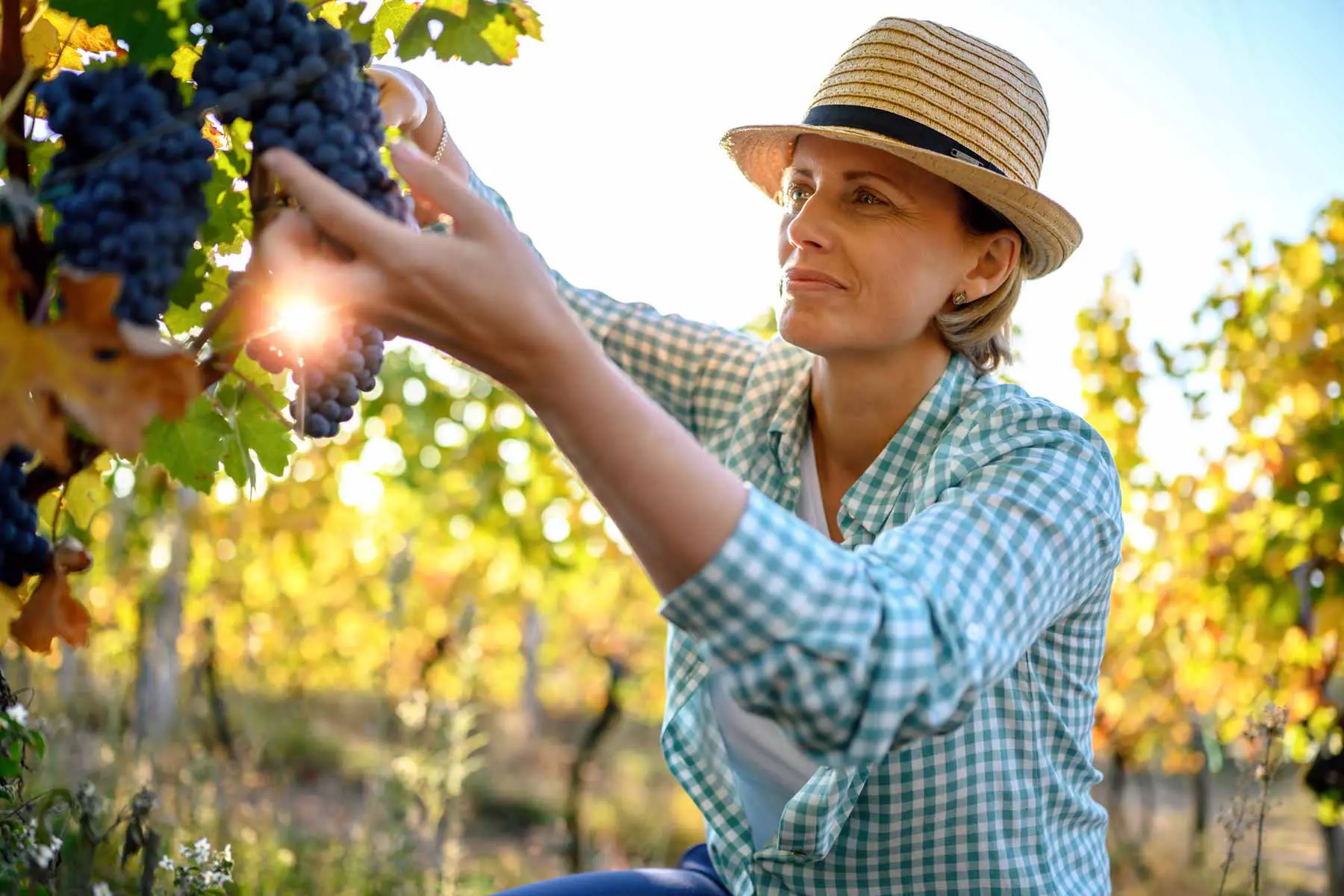
We’ve designed the PRODUCERS AT WAYANA event series in a special format with one key goal: to create a rare opportunity for wine producers to connect directly with wine enthusiasts—a connection that has become increasingly rare.
This event is structured in two parts:
In the first session, we taste six wines, each paired with tapas, while exploring their stories.
In the second session, our guests have the chance to taste other wines from the producer’s portfolio. Throughout the event, members of the producer’s team will be there to answer questions and engage in discussions.
On Sunday, March 23, our featured guest producer will be TURASAN, the oldest winery in Cappadocia. This is a unique opportunity to take a closer look at this historic winery and allow curious wine lovers to discover its legacy and craftsmanship.

Reviving Viticulture: The Role of Wine Production in Early Republican Turkey
Following the dissolution of the Ottoman Empire, the young Republic of Turkey embarked on an ambitious journey of nation-building. Despite limited resources, it launched numerous projects aimed at enhancing prosperity across various sectors. Given that the newly established nation had an overwhelmingly rural population, increasing agricultural production—and, by extension, improving the livelihood of farmers—became a major priority.
Although Turkey sits on the very lands where the vine was first domesticated, winemaking had remained in the background during the Ottoman era. However, with the establishment of the Republic, viticulture and wine production began to regain significance. In the 1930s, Tekirdağ and Izmir Wine Factories were founded, followed by the Elazığ and Nevşehir Wine Factories in the 1940s.
It is essential to recognize that these projects were not merely about producing wine; they were strategic initiatives aimed at fostering viticulture for its broader economic and social benefits. The development of vineyards was seen as a means to strengthen rural economies and support a more prosperous agricultural sector.
The Rise of TURASAN: A Legacy Rooted in Cappadocia
As these state-led initiatives took shape, TURASAN began to emerge on the radar. Suat Hayri Ürgüplü, a key figure in Recep Saraçoğlu’s cabinet and a native of Nevşehir, played a pivotal role in encouraging wine production in the private sector. Alongside supporting the establishment of a state-owned wine factory in Nevşehir, he also encouraged his close friend and fellow Nevşehir native, Hasan Turasan, to venture into winemaking.
Originally a schoolteacher, Hasan Bey embraced the idea, and in 1943, TURASAN was born as a small winery. In the early days, production took place in traditional clay amphorae, but over time, the winery transitioned to concrete tanks—all while maintaining continuous production.
With the second generation stepping in, TURASAN experienced significant expansion, growing into a producer capable of handling millions of liters annually. Under the leadership of the third generation, the focus over the past 25 years has shifted toward enhancing quality at every stage. Recognizing that true excellence starts in the vineyard, TURASAN took a major step in 2001 by establishing Zeynep Vineyards—named after the family’s fourth generation—marking a new era in Cappadocia’s viticultural journey.
TURASAN: Crafting Wines for Every Palate
With a keen understanding of wine enthusiasts’ expectations, TURASAN offers a diverse range of wines across different segments and price points. Their portfolio includes not only white, rosé, and red wines but also sparkling and sweet wines, catering to a wide spectrum of tastes.
Being based in Cappadocia, Emir naturally comes to mind first. However, TURASAN’s white wine selection also features Narince, Chardonnay, and Riesling, while their reds showcase native varieties such as Öküzgözü and Boğazkere, alongside Bordeaux grapes and other international varieties. In addition to working with grapes from their own vineyards in Cappadocia, they source international grape varieties from Denizli and local varieties from Elazığ and Diyarbakır, ensuring a broad and dynamic selection.
Their product lineup spans from entry-level wines to their premium “Grand Reserve” range. A noteworthy evolution in their sweet wine production is the shift from Tannat to Öküzgözü as the primary grape variety. And for those who remember their Tannat-based sweet wine—while it’s no longer available on the market, a few bottles still remain in the WAYANA cellar for those who appreciate rare finds. TURASAN holds a significant place in the history of Turkish wine, and its ability to maintain its dynamism while continuously expanding its portfolio, winery, and vineyards is an encouraging sign for the future.
Investing in the wine industry is always a long-term commitment—one made with future generations in mind. Hasan Turasan did his part, laying the foundation for his descendants. Now, the responsibility lies with the next generations. Our hope is that they will carry the torch forward, ensuring that this legacy not only endures but continues to flourish.