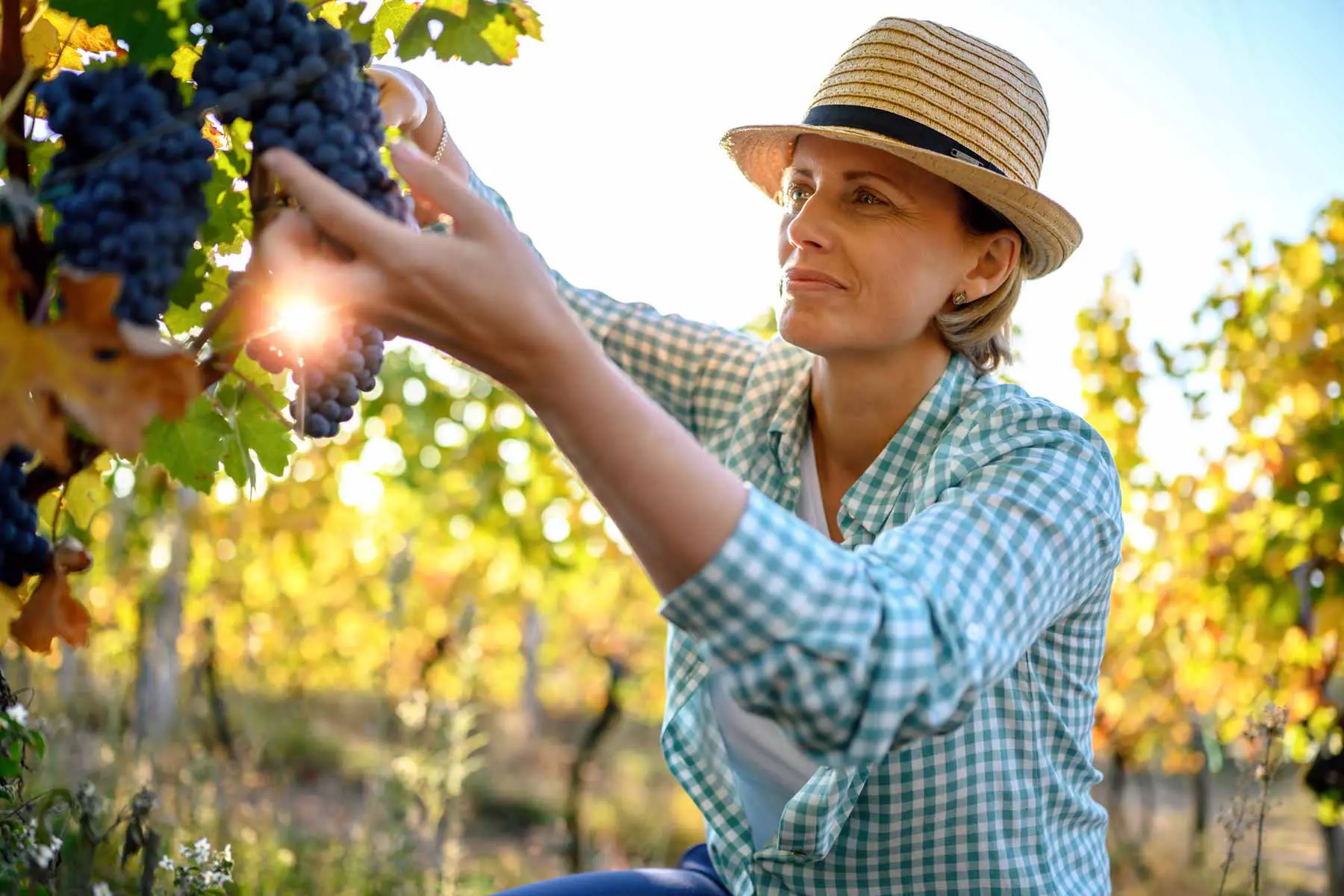
The Return of the Knidos Karasi Wine to the Bottle
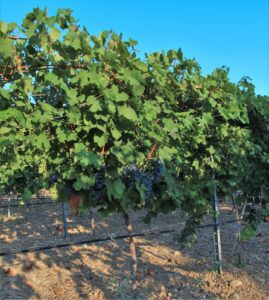
İstanbul Kadıköy’deki şarap evimiz WAYANA’nın aylık menü güncellemeleri sırasında gözümüzün aradığı ilk yenilikler, üzüm adlarında olur. Hem İstanbul Kadıköy’deki şarap evimizin zengin Türk şarapları menüsünün gücünü koruması hem de düzenli olarak yaptığımız şarap tadımlarının içeriği açısından yeni üzüm ve şarapları yakından izleriz. Knidos Karası üzümünden yapılan şaraplar da WAYANA Şarap Menüsü’nün bir parçası.
Ülkemizin geç başlayan şarap yolculuğunun bize sağladığı ilginç bir avantaj var. Eğer şarap açısından kalkınmış topraklarda yaşasak, yeni bir şaraplık üzümle karşılaşmamız ancak laboratuvar çalışmalarıyla mümkün olur. Ama Türkiye hâlâ bize gizli cevherlerini keşfetme fırsatı sunan bir yer. Bu alandaki geri kalmışlığımızın buruk bir motivasyonu belki de bu keşifler.
Knidos’un Knidos Karası üzümü de bizi heyecanlandıran böylesi bir farkındalık aslında. Knidos Karası adını görünce, bir hata yapmamak adına nazikçe bu üzümle ilgili bilgi rica etmiştim. Hemen derledikleri kısa bir bilgi notunu benimle paylaşmak nezaketini gösterdiler. Bu yazıyı, kendilerinden aldığım bilgileri esas alarak kaleme alıyorum.
The history of Knidos goes back to the Hellenistic period, that is, about 2,200 years ago. Archaeological finds and historical records of the period show us that the vineyards and wines of Knidos were popular during this period. What the records do not tell us is which grapes are grown in these vineyards and the wine is made from.
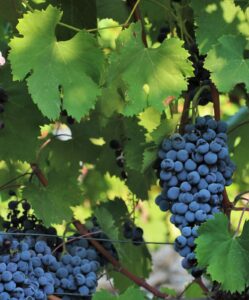
Knidos Winery, which decorates our menu and glasses with its wines today, first encountered the Knidos Karası grapevines in 2006 in the region of Kızlan Village. Afterwards, vines with better results were reached from the nearby Bağlıbelen and Bağlarözü locations. After an 8-year rehabilitation process and a twist of fate, healthy bunches were obtained. The wines tried in these early years went from mediocre to promising in 2016.
Knidos Karası, ülkemizin en sıcak yörelerinden Datça’nın kavurucu sıcaklarına rağmen geç olgunlaşıyor. Eylül sonunda başlayan hasat kasım ayına kadar uzanabiliyor. Ayrıca aynı asmanın üzerindeki salkımların olgunlaşma süreci de iki-üç haftalık farklar gösterebiliyor. Sıcak iklime karşın asit seviyesi ideale yakın.
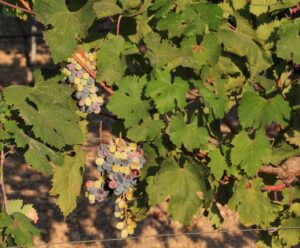
In order to clarify the original identity of the Knidos Karasi, genetic analyzes were also carried out and recorded. The story of the Knidos Karasi tells us how long the wine production needs. Well, does it end here? Of course not. Because every year, the bar is raised to reach the better.
Knidos Karasını masalarımıza getiren Knidos Şarapları’na teşekkürü bir borç biliyoruz. WAYANA Şarap Menüsü’nde daha iyi şaraplar ve daha yeni üzümlerle bizi buluşturmaları en büyük beklentimiz.
Knidos Karası üzümü gibi Anadolu’nun diğer kadim gen kaynaklarını ve kadehlerimizdeki yerel çeşitliliği incelemek için The Grapes of This Land rehber yazımızı ziyaret edebilirsiniz.
İlginizi Çekebilir:
Knidos Karasi’nın Datça kıyılarından süzülen bu zarif kırmızı serüveninden sonra, Türkiye’nin diğer asırlık kırmızı varyetelerini, kadehteki yapısal dengeleri ve antik taşımacılık tarihini ele aldığımız yazılarımız da ilginizi çekebilir:
Trakya teruarının antik çağlardan beri ayakta kalmış, canlı asiditesi ve şahsiyetiyle bu varyeteye karakter olarak benzeyen asil kırmızısını tanımak için Trakya’nın Kadim Kırmızısı: Papaskarası Üzümü ve Tarihsel Mirası monografimizi keşfedebilirsiniz.
Datça’nın daha sonraları varlığı fark edilen üç üzümün de yer aldığı Nadir Anadolu Üzümleri: İlk Kez Ticari Şarap Olan 11 Kayıp Çeşit başlıklı yazımıza da göz atabilirsiniz.
Antik Knidos Limanı’ndan kalkan ticaret gemilerinin bu şarapları Akdeniz dünyasına taşımak için kullandığı en temel organik araçların öyküsü için Şarabın Oksijenle İmtihanı: Amforaların Yükseliş ve Düşüşü tarihsel analizimizi ziyaret edebilirsiniz.
Şarabın arkasındaki bu devasa tarihi ve teruar hikâyelerini anlatırken, konukları boğan o snob ve ağdalı yabancı dilden uzaklaşma çağrımızı okumak için Sommelier Türkçe Konuş: Şarap Dilindeki Snobizm Eleştirisi makalemizi inceleyebilirsiniz.