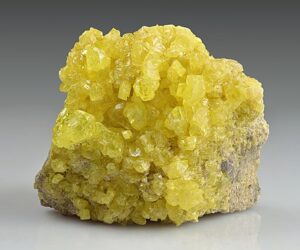
 Bu kaynakların bize söylediklerinin arasında eski dönem şaraplarının hızla bozulmalarını önlemek için kullandıkları yöntemlerin ipuçları da var. Şarabı korumaya yönelik bu arayışların önemli sebeplerinden birisi şarap ticareti. Eski dönemlerin mal taşımacılığında nakliyat sürelerinin daha uzun olduğunu düşünecek olursak, şarapların ihraç edildiği yere kalitesini koruyarak varmasını sağlamak satıcının en önemli önceliği. Belli ki bu sorunları çözmek için şarap üreticisi atalarımız pek çok şey denemişler. Bu denemeler arasında şaraba reçine, terebentin ve kükürt eklemek de var.
Kükürt ve sülfit gibi kükürt türevlerinin şarapla beraberliği bağda başlıyor. Asmanın zararlılarla mücadelesinde toz kükürdün yapraklara serpilmesinin faydası büyük. Bu sayede bağ uyuzu, mildiyö gibi bitkiye zarar veren canlıların etkisinden asmalar korunmuş oluyor.
 Üzümlerin kabuklarında, doğal yapılarının bir parçası olarak antioksidanlar bulunur. Adından da anlaşılacağı gibi, antioksidanlar oksijen etkisiyle şarapta meydana gelen bozulmayı önler veya yavaşlatır. Kısa bir hatırlatma yaparsak, beyaz şaraplar üretilirken üzümler ezilir ve kabukları üzüm şırasının içinden çıkarılır, roze şaraplarda da kabukların üzüm şırasında kalma süresi çok azdır. Kabukların üzüm şırasından çabuk alınması nedeniyle beyaz ve roze şaraplar antioksidan korumasına sahip olmazlar. Bundan ötürü bu şaraplara hem fermantasyon sürecinin yönetilmesi hem de oksijen etkisiyle renk ve tatlarının bozulmasının önlenmesi için kükürdün suyla temas etmesiyle oluşan sülfit eklenir.
Sulfur performs three main functions in winemaking:
- It combines with oxygen and prevents the wine from losing its taste as a result of oxidation.
- It prevents the formation of enzymes that harm the development of wine.
- Eliminates bacteria that can harm the development of wine.
 Fermantasyon aşamasında mayanın etkisiyle 1 litre şarapta yaklaşık 10 miligram sülfit ortaya çıkar. Şaraba koruma amacıyla eklenen sülfit miktarının litredeki yasal sınırı kırmızı sek şaraplar için 160, beyaz ve rosé şaraplar için 210 mg olarak saptanmıştır. Yani içtiğiniz bir kadeh şarapta en çok 0,02 gram sülfit vardır. Ayrıca giderek daha çok şarap üreticisinin doğal şarap üretimi yapmayı ve ilave sülfit kullanmamayı tercih ettiğini gözlüyoruz.
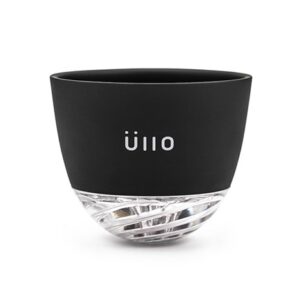
Şarap içenlerde baş ağrısının görülmesiyle sülfit arasında ilişki olduğu konusunda klinik araştırmalar yapılmış. Bu araştırmalarda oransal olarak nüfusun içinde sülfite duyarlı olan %1’lik bir kitle olduğu tespit edilmiş. Sülfit duyarlılığı olan şarap severlerin ilave sülfit kullanımı daha düşük olan kırmızı ve doğal şaraplara yönelmesi baş ağrısı risklerini azaltabilir. Ayrıca şarabın içindeki sülfiti filtre eden küçük bir aparata da değinelim. “üllo” şarabın şişeden kadehe aktarılmasında kullanılan adeta minik bir süzgeç. Eğer aramızda ‘Ben kesinlikle sülfit istemiyorum şarabımda’ diyenlerimiz varsa, üllo bir çözüm olabilir. Bizden söylemesi.
Kadıköy’deki şarap evimiz WAYANA’da servis ettiğimiz şarapların pek çoğunun etiketine baktığımız zaman, kurallar gereği, içinde sülfit bulunduğunun yazdığını görürüz. Kurallar gereği diyoruz, çünkü şarap etiketlerinde yer alması zorunlu bilgiler olan alkol oranı, üzüm içeriği, rekolte, üretici bilgileri gibi başlıklardan bir tanesi de sülfit varlığı. Böylece hem şarabı hem şarap severi koruyan dengeli bir sülfit kullanımı konusunda kendimizi güvende hissedebiliriz.
İlginizi Çekebilir
Şarabın bağdan şişeye uzanan kimyasal ve koruyucu ortaklığı olan kükürt yolculuğundan sonra, bu kadim kültürün tarihi figürlerini, teruar mucizelerini ve saklı kalmış değerlerini anlatan diğer yazılarımız da ilginizi çekebilir:
Kükürt gibi şarap koruma yöntemlerinin geliştirilmediği antik dönemlerde, asmanın ve üretimin binlerce yıllık saklı kalmış köklerini keşfetmek için Anadolu Mirası Üzümlerden Sonradan Hatırlananlar: 11 Kayıp Çeşit enolojik keşif kılavuzumuzu ziyaret edebilirsiniz.
Osmanlı’dan bugüne uzanan tarımsal sürekliliği, Bursa’nın tarihi Gümüştepe bölgesindeki mikrocoğrafi üretim gözlemlerimizi incelemek için Misi Köyü Bağcılık ve Şarap Kültürü (Not: Kendi Misi Köyü linkinizi buraya bağlayabilirsiniz) tarihsel yazımıza göz atabilirsiniz.
Tarih boyunca şarabın sadece bir içecek değil, devlet adamlarının ve diplomasinin de en rafine parçası olduğunu gösteren efsanevi bir karakterin öyküsünü Thomas Jefferson ve Şarap Kültürü monografimizde keşfedebilirsiniz.
İklim koşullarının, toprağın ve doğru müdahalelerin üzüm kimyası üzerindeki dramatik etkilerini kavramsal olarak incelemek için Terimler Neyi Anlatır? Mikroklima, Mezoklima ve Teruar kavramsal rehberimize bakabilirsiniz.