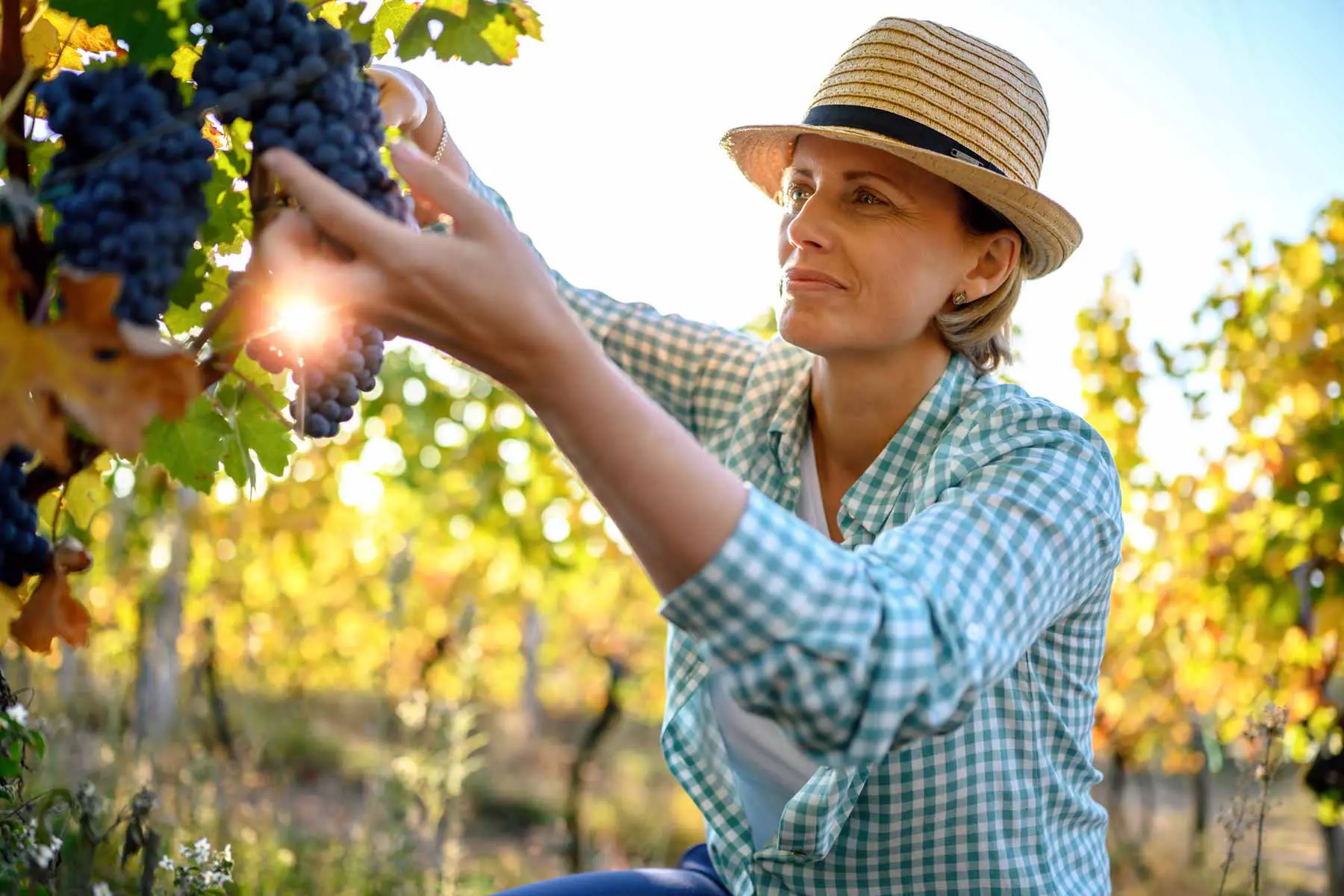
As you probably have noticed, we are side-tracking WAYANA Wine Routes Tasting Series and every week we are focusing on an endemic grape of the same region. Now that we are around Aegean Region, Muscat of Bornova (Bornova Misketi) is the selected variety of the week. Again, with a tearful expression, let us share with you the information that the Muscat of Bornova, which almost disappeared in the 1970s, came back to life with the rescue plantings of Bornova Municipality on a five-decare vineyard area. They also applied to register the grape for Geographical Marking and completed the process in the same time-frame. So Muscat of Bornova has been saved.
Kendi alanında otorite olan üç yazarın hazırladığı “Wine Grapes” ansiklopedisinde Bornova Misketi başlığı bizi ‘Muscat Blanc à Petits Grains’ maddesine yönlendiriyor. Buradaki açıklamalara göre, Muskat üzümünün kayıtlarda ilk göründüğü tarih 1304 yılı. Latince Muscatellus olarak belirtilen üzüm İtalyancaya Moscadella olarak girmiş.
Fakat Anadolu yakasından Muscat (bizdeki adıyla misket) üzümüne baktığımızda, bizim hikâyemizin daha farklı olduğunu görüyoruz. Üstelik bozacının şahidi şıracı değil. Bizim tanıklarımız arasında ilk akla gelen ‘Tarihin Babası’ olarak kabul ettiğimiz Herodot. İzmir’le (eski adıyla Smyrna) ilgili bir yazısında gidenlerin mutlaka içmesini önerdiği ‘gül ve bal kokulu moskato şarabı’ aslında bizim yok olmaktan son anda kurtardığımız Bornova Misketi’nden başkası değil. Bugünkü Foça’da geçmiş zamanda yaşamış Phocaia’lıların Anadolu’dan götürdükleri asma fidanları arasında hem Foça Karası’nın hem de Bornova Misketi’nin yer aldığı tahmin ediliyor.
Muscat of Bornova is the most powerful aromatic wine among Turkish grapes. When you put your nose close to the glass, you will feel as if all the alarms in your olfactory center start to go off and say, "You cannot find wine like this anywhere else, smell it as much as you can".
Şarap üreticilerimiz Bornova Misketinden hem sek hem de dömisek ve tatlı şaraplar yapıyorlar, doğrusu pek de güzel yapıyorlar. WAYANA Şarap Menüsü’nde Bornova Misketinin farklı üreticiler tarafından hazırlanmış pek çok örneği var. Urla bölgesinden Perdix, Denizli-Çal’dan Lermonos, Muğla yöresinden Mor Salkım sek beyazlarıyla, Urla Şarapçılık da yarı tatlı şarabıyla tatmanızı bekliyor. Biliyorsunuz, WAYANA’da her şey kadehle alınabiliyor. Karşılaştırıp size en uygun olanı seçmek size kalmış.
Bornova Misketi gibi Anadolu’nun diğer kadim gen kaynaklarını ve kadehlerimizdeki yerel çeşitliliği incelemek için The Grapes of This Land rehber yazımızı ziyaret edebilirsiniz.
İlginizi Çekebilir
Muscat of Bornova’nin o büyüleyici aromatik dünyasından ve tarihi köklerinden sonra, kadehin arkasındaki kimyayı, iklimsel dönüşümleri ve diğer endemik zenginliklerimizi anlatan yazılarımız da ilginizi çekebilir:
Ülkemizi şaraplık üzüm çeşidi sayısının 90’a ulaşmasını ele aldığımız Şaraplık Yerel Üzümlerimizin Sayısı 90’a Ulaştı yazımızı inceleyebilirsiniz.
1°C’lik küçük bir sıcaklık değişiminin dünya şarap coğrafyasını nasıl dramatik şekilde değiştirebildiğini, İngiltere bağcılığını bitirip Fransa’yı nasıl zirveye taşıdığını okumak için Küçük Buz Çağı ve Fransa’nın Şarap Mirası tarihsel analizimizi keşfedebilirsiniz.
Deniz seviyesinden yüksekliğin, teruar yapısının ve düşük asit dengesinin kırmızı, roze veya blanc de noir stillerindeki yansımalarını incelemek için Denizli Bağlarının Endemik Değeri: Çal Karası Üzümü monografimize göz atabilirsiniz.
Üzüm tanesinden kadehe uzanan bu döngüsel yolculukta duyusal analiz yeteneklerinizi geliştirmek ve şarap kültürünün temel taşlarıyla tanışmak için WAYANA 101 Şarap Eğitimi ve Keşif Rehberi içeriğimize bakabilirsiniz.