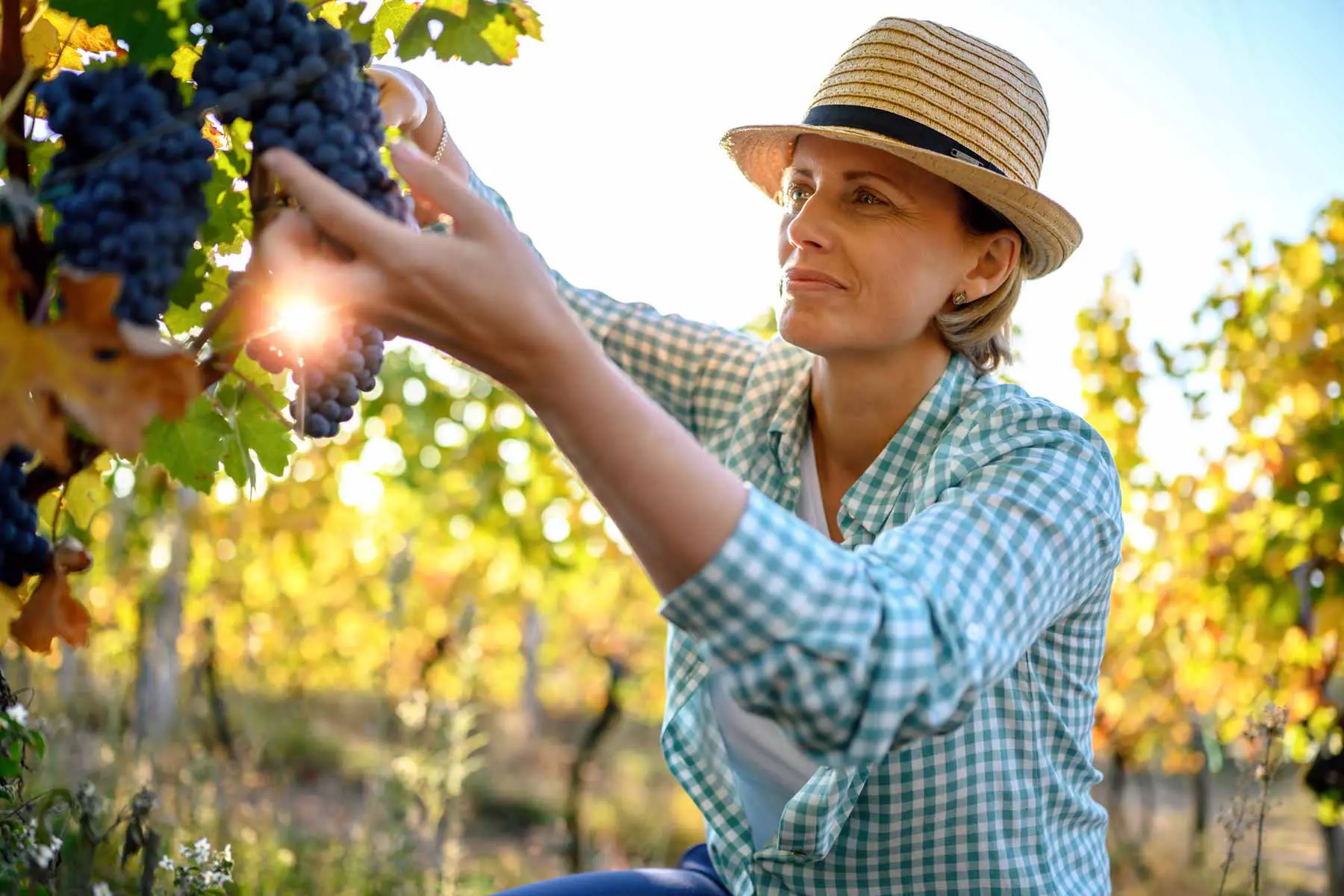
Geleneksel bağcılık ve mahzen tekniklerinin sınırlarını zorladığımızda, kırmızı üzümlerin içindeki o gizli cevheri beyaz bir zarafetle sunan inovatif bir yaklaşım karşımıza çıkar. Şarap firmalarının ürünlerini satmak için büyük mücadele verdiğini düşünürsünüz, değil mi? Yanılıyorsunuz. Üstelik ülkemizdeki şarap üreticilerinin neredeyse tümünün şaraplarını servis eden bir yer olarak WAYANA bunu söylüyor. Kısaca özetleyelim.
Since 2014, only one producer has ever come knocking on our door to promote their wines. And that producer was the largest in Turkey, while we were just starting out. Şamil Gence, then at Kavaklıdere Wines, noticed the potential in us and spent four hours tasting with us. Şamil has a greater claim on today’s WAYANA than he probably realizes. Kavaklıdere’s ability to maintain its position comes down to such key decisions.
At WAYANA (or BEPPE, our original pizza restaurant’s name), we have never hesitated to chase after wine producers. Yet, we remain puzzled by how weak their active marketing efforts are.
Akberg Şarapları’yla Nasıl Tanıştık?
Organizing professional wine events in Turkey — the world’s 17th largest economy — is almost impossible. At one of the few recent events, I saw Akberg Wines present for the first time. The title caught my attention: Noirs de Blanc. At first glance, it seemed like a spelling error; then I thought, “If this big mistake exists…,” only to realize it was deliberate. Attending and completing the tasting, I was glad to see Akberg delivering on their promise.
Sunumda, beyaz şaraba elverişli üzümlerden kırmızı şarap yapmak niyetiyle giriştikleri bir yolculuğun hikâyesini dinledik ve bu süreçte ortaya çıkan üç şarabı tatma fırsatı bulduk. Çıkarken kartlarını alıp kartımı bıraktım. Elbette beni arayan soran olmadı. Sonunda o dönemdeki pazarlama müdürlerine ulaşıp iletişim kanalını oluşturmamız mümkün oldu. O gün bugündür ilişkimiz çok iyi ama kural bozulmadı; yine üreticiye ulaşan biz olduk.
Noirs de Blanc nedir?
There is no such wine style in the literature. Several producers have excitedly experimented with this concept at different times. One is Akberg, based in Izmir.
Beyaz şarap yapmaya elverişli üzümlerin işlenmesi esnasında kabuk temasının en kısa süreyle sınırlanması tercih edilir. Kabuğun fermantasyonda bir rolü yoktur (Orange Wine ve natürel şaraplar konumuzun dışında), dolayısıyla beyaz şarabın renginin kendiliğinden kırmızı olma ihtimali sıfırdır.
Eğer beyaz şaraplık üzümden kırmızı şarap yapmak isterseniz, önünüzde bir tek yol vardır: koyu renkli üzüm kabuklarını kullanarak şaraba renk kazandırmak. Yani teknik dille ifade etmek gerekirse, beyaz şarapta neredeyse hiç kullanılmayan maserasyon sürecini farklı üzümlerin kabuklarını kullanarak yapmak.
Siyah Üzümlerden Beyaz Şaraba İnovatif Yaklaşımlar
Akberg, known especially for their Büyükbağ series featured on the WAYANA menu, chose three white and three red wine grape varieties and paired them as follows:
- Cabernet Sauvignon – Narince
- Boğazkere – Emir
- Merlot – Narince
We tasted all three pairs at the event mentioned above, but over time, the Merlot-Narince pairing didn’t meet expectations and was not released. The other two wines are now on the WAYANA menu.
Bu özel üretimin yapılmasında hesaba katılması gereken hususlardan birisi eşleşen üzümlerin hasatlarının eşzamanlı yapılması. Şaraplık üzümler zamana karşı daha duyarlı, hızla işlenmesi gereken üzümler. Farklı hasat zamanı olan üzümler olursa, iyi sonuç elde etme şansı tehlikeye giriyor.
Bu çalışmada önce birinci çiftteki Cabernet Sauvignon üzümlerinin kabukları hafifçe çatlatılarak ezilmiş ve kabuklarla sap ve çekirdek gibi cibre denen katı maddeler birbirinden ayrılmış. Cabernet Sauvignon kabuklarının üzerine Narince üzümlerinden preslenerek elde edilen şıra eklenmiş ve fermantasyon işlemi başlamış. Cabernet Sauvignon kabuklarından şıraya geçen bileşenlerin (yani tanen, polifenol ve aromaların) yeterli bir seviyeye ulaştığına kanaat getirilince, son presleme işlemi yapılarak elde edilen şarap, yıllandırılmak üzere meşe fıçılara alınmış.
The second pairing followed the same method with Boğazkere and Emir grapes: Boğazkere skins lightly crushed and solids removed; Emir grapes pressed, fermentation started; when expected components transferred sufficiently, final pressing and oak aging followed.
Dünyada yapılan benzer çalışmalar neler?
In 2007, Green Creek Winery in North Carolina, USA, made a red Chardonnay called “Chardonnay Rosso.” As it’s no longer on their website, it appears to have been a one-time experiment.
In 2009, GLM Winery in the northwestern USA near the Canadian border produced a similar wine under the name “Enrobed Wine,” inspired by the French term “La Robe” (the robe/dress of a wine).
GLM Winery üretim yaparken koyu renkli üzümlerin şırasını kabuklardan tamamen ayırıp Blanc de Noirs yani kırmızı üzümlerden beyaz şarap yapar gibi işliyor. Beyaz şaraplık üzümleriyse normalden daha uzun süre şıranın içinde bırakıyorlar ki üzümün karakteristik bileşenlerinin etkisi daha iyi ortaya çıksın. Sonrasında presleme işlemi yapılıp beyaz şaraplık üzüm kabukları dışarı alınıyor, geriye kalan beyaz üzüm şırası koyu renkli kabukların üzerine konuyor ve sanki kırmızı şarap yapıyormuş gibi fermantasyon başlıyor. Böylece hem beyaz hem de kırmızı şaraplık üzümlerin özgün bileşenlerinin bir araya geldiği ilginç bir melez şarap çıkıyor ortaya.
Green Creek bu alandaki ilk şaraphane. GLM Winery kendi çalışmalarını yaptıktan sonra Green Creek’in çalışmalarını fark etmiş. Akberg de kendisinden önceki üretimlerin farkına varmadan bu alana girmiş, ama öncüllerini daha sonra fark etmiş. Aslında hepsi inovatif arayışlarında benzer yollar izlemişler ama birbirlerinden haberdar olmaları zaman almış.
Şaraplar nasıl?
Akberg’in her iki şarabı da bu ilginç birlikteliğin izlerini taşıyor. Bağazkere ve Cabernet Sauvignon yalnız renk olarak değil güçlü tanenlerinin bir bölümüyle de şaraplarda varlıklarını hissettiriyorlar. Emir ve Narince beyaz şaraplarından almaya alıştığımız karakteristikler daha arka plana düşüyor. Yani şaraplar aslında uzlaşarak bir arada yaşamaya karar veren entelektüel görünüme sahipler. Hep söylediğimiz gibi, bu şarapların memnun edeceği pek çok şarap sever dostumuz olduğunu biliyoruz.
Final Word
Şarap gibi çok uzun geçmişe sahip ürünlerin en büyük dezavantajı, inovatif açıdan kendilerine yaklaşılmasına sanki izin vermemesi. Sanki binlerce yıldır durmaksızın devam eden ezeli bir sistemin yenilik yapmak isteyenleri uzak tutmak isteyen bir koruma duvarı var gibi görüyoruz. Ama bu algı hem yanıltıcı hem tehlikeli. Yaşamayı sürdürmenin en temel şartı değişimi kucaklamaktan geçiyor. Noirs de Blanc, böyle bir girişim; cesur ve risk alan. Sonucu istendiği gibi olmazsa, alternatif yolları düşünmemiz için bize yeni kapılar açabilir.
As Nasrettin Hoca famously said when fermenting yeast in Lake Beyşehir: “What if it works?”
Siyah üzümlerden beyaz bir zarafet süzmeyi başaran bu deneysel süreçler, şarap dünyasındaki inovatif dönüşümler ve modern pazar dinamikleri ilginizi çekiyorsa, blogumuzdaki diğer nitelikli araştırmalarımıza da göz atabilirsiniz:
Kabuk temasının bu şekilde minimize edilmesinin aksine, kadehe dökülen şarabın o büyüleyici renk tonlarının antik çağlardan modern laboratuvar spektroskopisine kadar nasıl evrildiğini görmek için Şarapta Renk Kavramının Tarihsel Seyri makalemizi inceleyebilirsiniz.
Küresel ölçekte değişen yeni nesil tüketici alışkanlıklarına yanıt olarak endüstrinin geliştirdiği bir diğer teknolojik ve inovatif devrimi okumak için Tüketici Eğilimlerindeki Değişiklikler ve Alkolsüz Şarap analizimize göz atabilirsiniz.
Beyaz şarap dünyasında teruarın tüm özelliklerini bir ayna gibi kadehe yansıtırken, üreticinin mahzendeki fıçı veya tank dokunuşlarıyla nasıl bambaşka stillere bürünebildiğini asil bir varyete üzerinden incelemek için Chardonnay Üzümü Rehberi yazımızı ziyaret edebilirsiniz.
Aynı bağ ve aynı üzüm sabit tutulsa bile, her rekolte dönemindeki iklimsel salınımların şarabın kimyasal ve aromatik yapısında nasıl doğal birer deney kurguladığını profesyonel dikey tadım verileriyle okumak için Aynı Üzüm, Aynı Bağ, Farklı Yıllar çalışmamıza bakabilirsiniz.