Başlığın devamında ‘Üzüm suyunun farklı kadehlere uzanan yolculuğu’ diye bir uzantı da var aslında. Ama bu başlıkları hazırlarken her şeyin önüne geçen başka bir kriter var: yasakların gazabına uğramadan ne yapacağımızı anlatma güçlüğünün önümüze diktiği duvar. Şarap üretim tekniklerini konuşacağımız bir etkinlik için önce bu engeli aşıp ne yapacağımızı anlatabilmemiz gerekiyor.
Kasım ayında düzenlediğimiz WAYANA 101, şarabı öğrenmeye değer bulan şarap severler için hazırladığımız bir içerikti. Aynı zamanda serinin birinci halkasıydı. Şimdi sırada serinin ikinci halkası var: WAYANA 102: ŞIRADAN ŞİŞEYE; yani şarap üretim teknikleri.
Şarap dünyasında çoğu zaman şişenin içindekine odaklanırız. Etikete, üzüm çeşidine, bölge adına… Oysa kadehe gelene kadar yaşanan süreç, şarabın karakterini belirleyen asıl hikâyedir. WAYANA 102: Şıradan Şişeye tadımı, üzüm suyunun, yani şıranın, farklı üretim tercihleriyle nasıl bambaşka kimliklere büründüğünü anlamaya odaklanıyor. Aynı hammaddenin, aynı doğa koşullarından çıkıp ne kadar farklı sonuçlar verebildiğini, yöntemler üzerinden adım adım inceliyoruz.
This tasting follows a chronological path. From the moment the grapes are pressed, we trace how decisions made during fermentation, maturation and bottling reshape texture, aroma and even the emotional feel of the final wine.
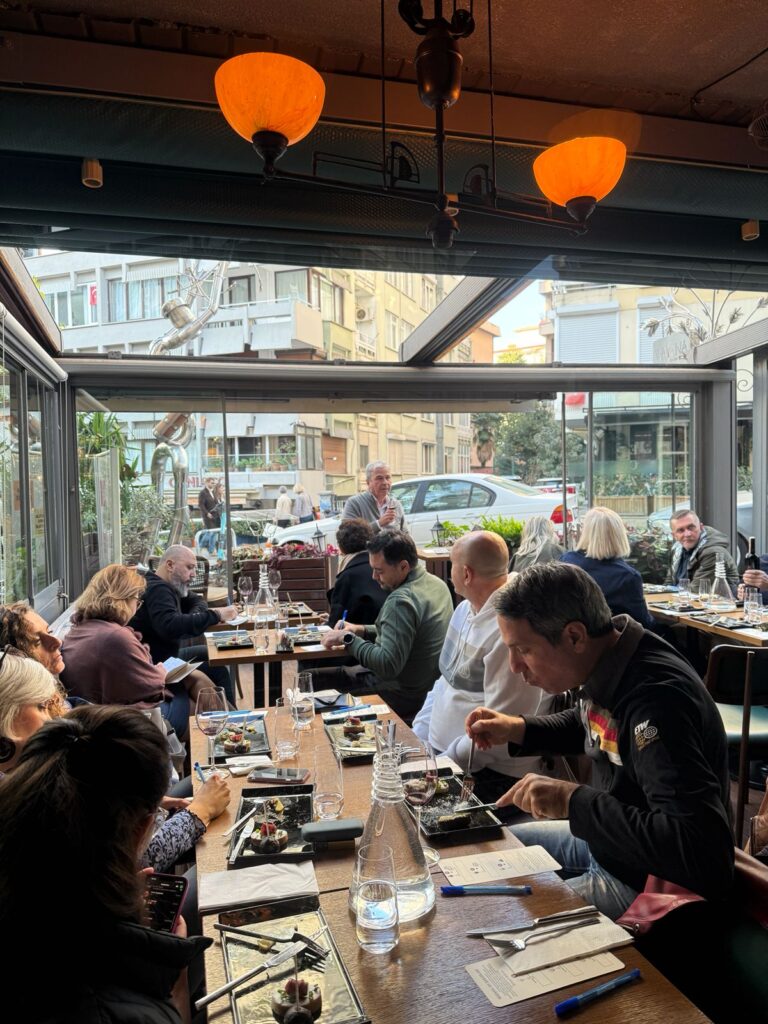
Şarap Üretim Teknikleri: Natürel, klasik ve alkolsüz üretim
The journey begins with three distinct production philosophies: natural, classic and dealcoholized.
Natural production aims to keep intervention to a minimum. Instead of selected yeasts, fermentation begins with the microorganisms naturally present on the grapes and in the vineyard. Additives are kept low or nonexistent, and filtration is minimal or skipped entirely. This pathway is more fragile and the results less predictable, which is exactly why the grape’s origin, the vintage’s climate and the producer’s decisions show themselves more “barely.”
Classic production puts control at the center. Fermentation temperatures, yeast selection, the level of oxygen exposure – all are carefully managed. The goal is not always consistency. It is often clarity: the clearest expression of the grape and the intended style. This approach produces wines that are more technically stable and plays a crucial role in wines expected to evolve over many years in bottle.
Dealcoholized production, a rapidly developing field in recent years, is technically complex. The challenge is to remove alcohol while preserving as much aroma and structure as possible. Vacuum distillation and reverse osmosis come into play. This segment inevitably raises the question: what, exactly, counts as “wine”?
Two methods that deepen a wine: sur lie and flor
A wine is far from “finished” when fermentation ends. In fact, its character often starts taking shape after that point.
Sur lie yöntemi, şarabın fermantasyon sonrası maya tortusu üzerinde bekletilmesini ifade eder. Bu temas, şaraba hem dokusal bir dolgunluk hem de aromatik karmaşıklık kazandırır. Ekmeksi, kremamsı çağrışımlar, ağızda daha yuvarlak bir his bu yöntemin tipik sonuçlarıdır. Batonnage, yani tortunun karıştırılmasıyla, bu etki daha da artırılabilir.
Flor leads to a very different world. A veil of yeast forms on the surface, regulating oxygen exposure. This process creates the salty, nutty, gently oxidative aromas characteristic of certain regions. Wines aged under flor become sharper yet deeper with time.
Moving into sparkling wines: four approaches
One of the key stops in WAYANA 102 is sparkling production. Here, bubbles are not treated as mere carbonation but as the direct result of production choices.
Pet-Nat, the ancestral method, involves bottling the wine before fermentation is finished. The ongoing fermentation inside the bottle creates natural pressure, often resulting in a cloudy, lively, unpredictable wine.
In the traditional method, the second fermentation happens in the bottle, and the wine ages on its lees for extended periods. This produces refined texture and fine, persistent bubbles.
The Charmat method carries out the second fermentation in pressurized tanks, leading to fresher, fruitier, more direct aromatic profiles.
Semi-sparkling wines sit between still and fully sparkling by pressure level, showing clearly how pressure, bubble texture and mouthfeel interact.
A deep dive into sweet wines
Sweet wines are far more than “wines with sugar.” We begin by classifying them by sweetness levels, then explore how sweetness is achieved.
Late harvest grapes, noble rot (botrytis), drying grapes either on the vine or after harvest, and stopping fermentation early – each method creates a different perception of sweetness and a different sense of balance. The relationship between acidity and sweetness is the heart of the matter, and we emphasize it throughout this section.
Fermentation and aging vessels: the architecture of a wine
In the final stage, we look closely at the vessels where wine takes shape.
Stainless steel tanks represent aromatic purity and precision. Oak barrels add structure, spice and oxygen exchange. Chestnut and acacia offer alternative aromatic signatures.
Bu bölümde kapların sadece malzeme olmadığını, aynı zamanda birer üretim felsefesi olduğunu konuşuyoruz.
Selecting the wines that accompany the tasting
Tadımlarda yer verdiğimiz şarapların görevi, anlatımı güçlendirmek ve somutlaştırmak. WAYANA 102: ŞIRADAN ŞİŞEYE etkinliği yoğun bir içeriğe sahip. Bu içeriği destekleyecek seçimleri yapmak kolay olmadı, doğrusunu isterseniz.
In Essence
WAYANA 102: Şıradan Şişeye, tek bir doğru üretim biçimi olmadığını; şarap üretim teknikleri sayesinde her tercihin şarabın hikâyesini başka bir yöne çevirdiğini gösteren bir yolculuk. Amaç ezber vermek değil, kadehteki sonucu okuma becerisini birlikte geliştirmek. Şişeye bakmadan önce, onun arkasındaki süreci görmeyi öğrenmek.
Şarap üretimi, yalnızca üzümü fermante etmekten ibaret değildir. Bağdan şişeye kadar alınan her karar, şarabın kimliğini belirleyen yaratıcı bir tercihtir. WAYANA 102, katılımcıları bu teknik kararların arkasındaki bilimsel mantıkla tanıştırırken, aynı zamanda her şişenin neden kendine özgü bir hikâye taşıdığını da göstermeyi amaçlıyor.
Bu yazımız ilginizi çektiyse, aşağıdaki yazılarımıza da üzerlerine tıklayarak göz atabilirsiniz.
Şarap Analizinde Yeni Çağ: Tanen ve Asitlerin Moleküler Parmak İzi
Teruar nedir? Matematik formülü ifadesi mümkün mü?
Tekirdağ Bağcılık Araştırma Enstitüsü
2035: A Journey into Digital Wine and the Internet of Senses (IoS)