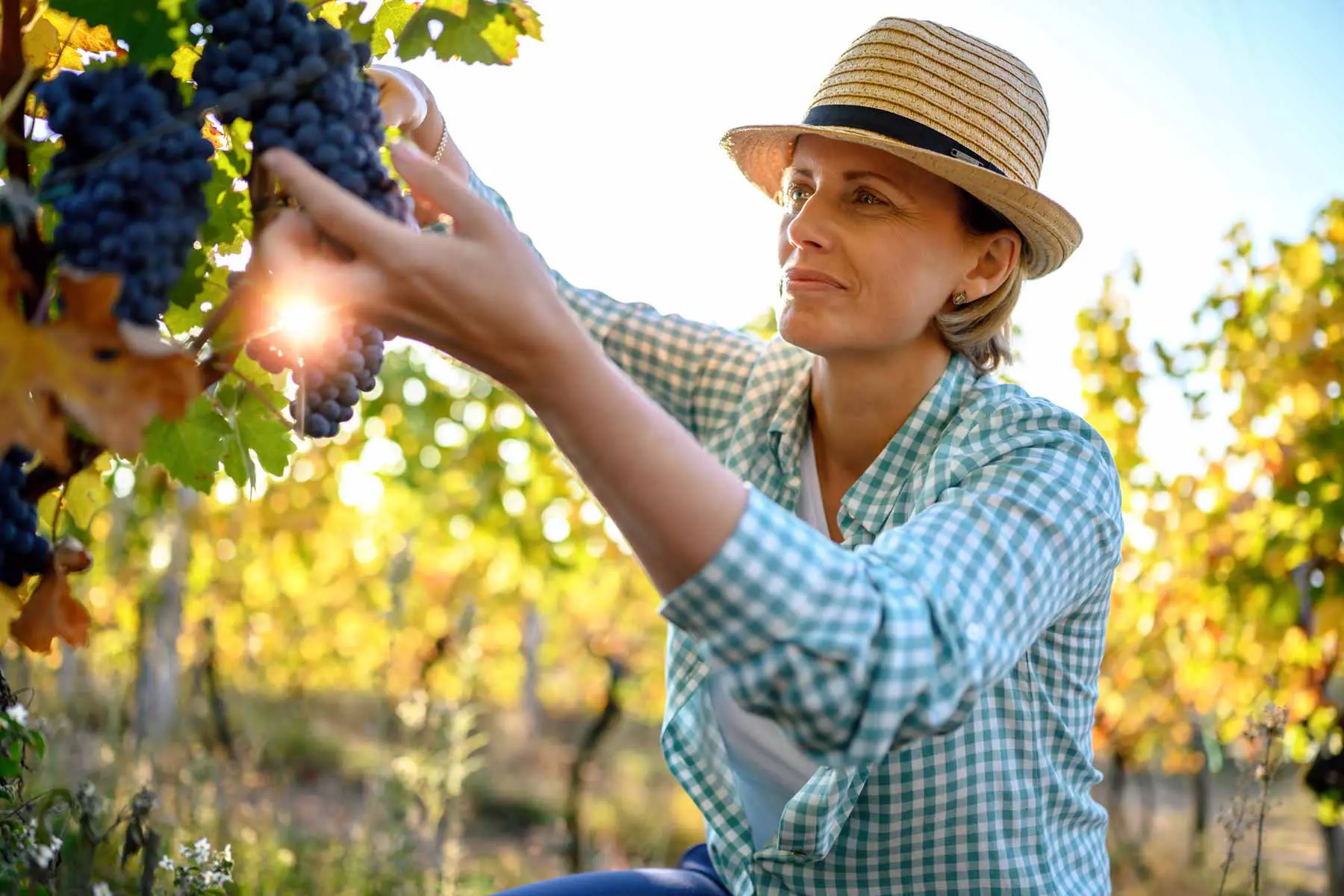
Anadolu’nun batıya açılan bağ koridorlarında, yüzyıllardır hem sofraların hem de kadehlerin en bereketli aktörlerinden biriyle karşılaşırız. İnce kabuğu, sulu taneleri ve yüksek asit potansiyeliyle Ege teruarının güneşini en rafine şekilde emen bu asil beyaz varyete, şüphesiz Thompson Seedless üzümünden başkası değildir.
Adını Osmanlı saray geleneğinden ve padişahlara layık görülmesinden alan Sultaniye, imparatorluk döneminde saray mutfağının, helvahanelerin ve şerbet kültürünün en aristokratik meyvelerinden biriydi. Manisa ve Denizli ovalarından saraya taşınan bu narin üzüm, sadece taze bir lezzet değil; kurutularak kervan yollarıyla dünyaya ihraç edilen stratejik bir ticari değerdi. Çekirdeksiz yapısı ve yüksek şeker-asit dengesi nedeniyle Batılı seyyahların seyahatnamelerinde “Levantenlerin beyaz altını” olarak nitelendirilen bu asırlık varyete, modern bağcılıkta da o ihtişamlı geçmişinin enolojik mirasını kadehlerimize taşımaya devam ediyor.
 Sultaniye üzümünün en ayırt edici özelliği çekirdeksiz oluşudur. 1863 yılında William Thompson Sultaniye üzümünü Amerika’ya götürerek tescil başvurusu yapar ve adı uluslararası ticarette o zamandan beri ‘Thompson Seedless’ olarak kullanılır. Aslında üzümün farklı coğrafyalara adapte olmak konusunda çok uyumlu bir meyve olduğunu biliyoruz. Amerika ve Avustralya’da da Sultaniye üzümünün iyi sonuçlar vermesi şaşırtıcı değil. Esas hayıflanmamız gereken kısım, ürünlerimize sahip çıkma alışkanlığını çok geç kazanmış olmamız. Sultaniye ancak 2019 yılında menşe adıyla Coğrafi İşaret’e sahip oluyor; neredeyse 150 yıl sonra.
Özellikle Denizli ve Manisa bölgelerinin yüksek rakımlı, kumlu-killi toprak yapısında karakteristik kimliğini bulan Thompson Seedless, şarap dünyasında genellikle canlandırıcı, tazeleyici ve meyvemsi profili yüksek beyaz sek şaraplar vermesiyle bilinir. Burnunuzu kadehe yaklaştırdığınızda yeşil elma, armut, narenciye ve bazen de beyaz çiçek kokularının bir harmoni içinde yükseldiğini hissedersiniz. Bu ferahlatıcı yapısı, onu özellikle sıcak yaz akşamlarının ve hafif gastronomi eşleşmelerinin vazgeçilmez bir parçası haline getirir.
Anadolu coğrafyasında çift yönlü (hem kurutulmalık hem şaraplık) olarak değerlendirilen ender üzümlerden biri olan Thompson Seedless, doğru bağ yönetimi ve kontrollü fermantasyon teknikleriyle işlendiğinde, uluslararası standartlarda monosepaj (tek varyete) şaraplar verebildiği gibi, roze veya blend (harman) şarapların asit dengesini yukarı taşımak için de harika bir omurga oluşturur.
Kadıköy Moda’daki şarap evimiz WAYANA Wine Bar’ın zengin yerel kavında, Thompson Seedless üzümünün bu canlı ve dinamik yapısını yansıtan seçkin örneklere yer vermekten büyük keyif alıyoruz. Kadehinize doldurulan bu serin beyaz şarabı yudumlarken, Ege bağlarından süzülen asırlık bir tarım mirasının ve güneşin kadehteki o hafif, zarif dansının tadını çıkarabilirsiniz.
Sultaniye gibi Anadolu’nun diğer kadim gen kaynaklarını ve kadehlerimizdeki yerel çeşitliliği incelemek için The Grapes of This Land rehber yazımızı ziyaret edebilirsiniz.
İlginizi Çekebilir
Thompson Seedless’nin ferahlatıcı beyaz dünyasından ve Ege teruarından sonra, Anadolu bağcılığının diğer saklı lezzetlerini, özgün tapas hikayelerini ve üretim felsefelerini anlatan yazılarımız da ilgilizi çekebilir:
Thompson Seedless tanelerinin mutfağımızdaki o sıra dışı ve yaratıcı gastronomi yolculuğunu, Narince yaprağıyla buluştuğu imza tabağımızı incelemek için Yeni Tapasımız “Partowar”: Kavrulmuş Narince Yaprağı ve Kurutulmuş Sultaniye Taneleri hikâyemize göz atabilirsiniz.
Kapadokya’nın volkanik tüflü topraklarından doğan, tıpkı Thompson Seedless gibi beyaz şarap dünyamızın mineral yapısı en güçlü ve asil endemik değerlerinden birini tanımak için Emir Üzümü ve Volkanik Teruarın Mirası monografimizi keşfedebilirsiniz.
Anadolu’nun güney kesimlerinde, unutulmaya yüz tutmuşken çalışkan bağ kâşifleri tarafından kadehlere yeniden kazandırılan bir başka dirençli yerel varyetenin öyküsü için Kilis Topraklarının Güçlü Karakteri: Horoskarası incelememizi ziyaret edebilirsiniz.
Doğanın kendi döngüsü içinde, insan müdahalesinden uzak, yabani asmalardan yapılan sıra dışı bir hasat serüvenine ve üretim felsefesine tanık olmak için Meşe Ağacından Üzüm Toplamak: Neferiye Şarapları yazımızı okuyabilirsiniz.