Mikrop dediğimiz zaman aklımıza hayırlı bir şey gelmez, genellikle sonunda hastalıkla karşılaşacağımıza kesin gözüyle bakarız. Ama elbette hayırlı mikroplar da vardır. Bu mikropların diğer canlı organizmalarla beraberliği iki tarafa da fayda sağlar: mikrop canlılığını korur, bulaştığı diğer canlı da bundan faydalanır. İşte “asil küf” adını taşıyan Botrytis Cinerea’nın üzümlerle ilişkisi böyledir.
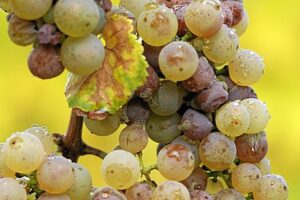
Şarap dünyasının en büyüleyici yanlarından biri, doğadaki olumsuzlukların veya kontrol edilemez görünen biyolojik süreçlerin, bazen insan zekası ve doğru teruar koşullarıyla birleşerek yeryüzünün en asil başyapıtlarına dönüşebilmesidir. Bağcılık terminolojisinde bu paradoksal mucizenin en somut karşılığı, hiç şüphesiz asil küf, yani bilimsel adıyla Botrytis cinerea mantarıdır.
Aslında bağcılar için bir kabus olan gri çürüklük mantarı, hasat döneminde doğru nem ve güneş dengesiyle buluştuğunda mucizevi bir forma bürünür. Sabah nemiyle asma tanelerine yerleşen bu canlı, öğleden sonraki sıcak güneşle birlikte üzümün kabuğunda mikroskobik gözenekler açar ve tanenin içindeki suyun buharlaşmasını sağlar. Sonuç; tanenin içindeki şekerin, asidin ve aromatik özlerin olağanüstü bir konsantrasyona ulaşmesiyla sonuçlanır. İşte bu kontrollü kuruma sürecine asil küf denir ve bu sayede Sauternes’ten Tokaji’ye uzanan dünyanın en pahalı, en uzun ömürlü ve en karmaşık tatlı şarapları üretilir.
Fermantasyon aşamasında mayaları oldukça zorlayan bu yoğun şıra, kadehe döküldüğünde kayısı, bal, safran ve zencefil gibi büyüleyici aromalar saçar. Asil küfün tanelere dokunuşu, şarabı sıradan bir içecek olmaktan çıkarıp doğanın insana sunduğu sıvı bir sanat eserine dönüştürür.
Tarihsel kayıtlara göre asil küfe maruz kalan üzümlerden şarap ilk kez Macaristan’da yapılmış. Günümüzde de Macaristan’ın Tokaj bölgesinin tatlı şarapları dünya çapında üne sahip. Fransızların ünlü Sauternes şarabı da asil küflü üzümlerden üretilen bir başka bilinen şarap. Fransızlar asil küften etkilenen üzümlerin hasadını tane tane toplayarak yaparlar. Bu işleme Fransızca seçim anlamına gelen ‘tris’ adı verilir.
Almanların asil küf şaraplarına ilişkin bir öyküyle yazıyı noktalayalım. Küfün musallat olduğu bağlarda yayılmayı önlemek için asmaların kesilmesi kararını Rheingau şarap bölgesinden sorumlu bağ sahibi Heinrich von Bibra’nın vermesi gerekirmiş. Böyle durumlarda durumu bildirmek için bir ulak gönderilirmiş ve yazılı onay gelince asmalar kesilmiş olurmuş. 1775 yılında yola çıkan ulak yolda soyulunca, kararın bildirilmesi üç hafta gecikmiş ve iş işten geçmiş. Bunun üzerine toplanan küflü üzümler bozuk oldukları düşünülerek köylülere dağıtılmış. Ortaya çıkan şarabın şaşırtıcı lezzeti fark edilince, izleyen yıllarda yaygın adıyla ‘Spätlese’ (geç hasat şarabı) olarak tanınan şarap üreticilerinin gözdelerinden olmuş. Asil küfün taneler üzerindeki bu biyokimyasal mucizesini ve asmanın savunma mekanizmalarını daha detaylı bir akademik perspektiften incelemek isterseniz, DergiPark Akademik Botrytis Araştırması metnine göz atabilirsiniz.
Kadıköy Moda’daki şarap evimiz WAYANA Wine Bar’ın seçkin mahzeninde ve zengin yerel menüsünde bu tür sıra dışı enolojik süreçlerin yansımalarını taşımaktan büyük keyif alıyoruz. Kadehlerimizdeki her bir damla şarabın arkasındaki bilimsel mucizeleri, teruarın gücünü ve asil küf gibi doğanın gizli dokunuşlarını keşfetmek, şarap kültürünü çok daha derinlemesine hissetmemizi sağlıyor.
İlginizi Çekebilir
Bu tarz yoğun ve tatlı şıraların fermantasyon yönetiminde ve şarabın yıllar boyu tazeliğini korumasında üstlendiği kritik rolü incelemek için Kükürt: Şarabın Antik Çağlardan Beri Zorunlu Ortağı enolojik kılavuzumuzu ziyaret edebilirsiniz.
Bağların deniz seviyesinden yüksekliğinin, serin gece-gündüz sıcaklık farklarının ve mikroklima yapısının asma tanelerindeki asit konsantrasyonunu nasıl etkilediğini öğrenmek için Yüksek Rakımlı Bağlar: Bağın Yüksekliği Şarabı Nasıl Etkiler? coğrafi analizimize göz atabilirsiniz.
Modern teknolojilerden ve laboratuvar müdahalelerinden çok önce, antik dünyada şarabın fermantasyon ve saklama süreçlerinin nasıl yürütüldüğünü okumak için Antik Dönemde Şarap Üretimi: Mevsimsel, Kokulu ve Gürültülü Bir Süreç tarihsel araştırmamızı keşfedebilirsiniz.
Asmanın ve şarap kültürünün doğduğu topraklara, 8.000 yıllık Qvevri geleneklerine ve yerel beyaz-kırmızı varyetelerin kökenlerine uzanmak için Şarabın Anavatanına Dönüş: Gürcistan’ın Kadim Mirası monografimize bakabilirsiniz.