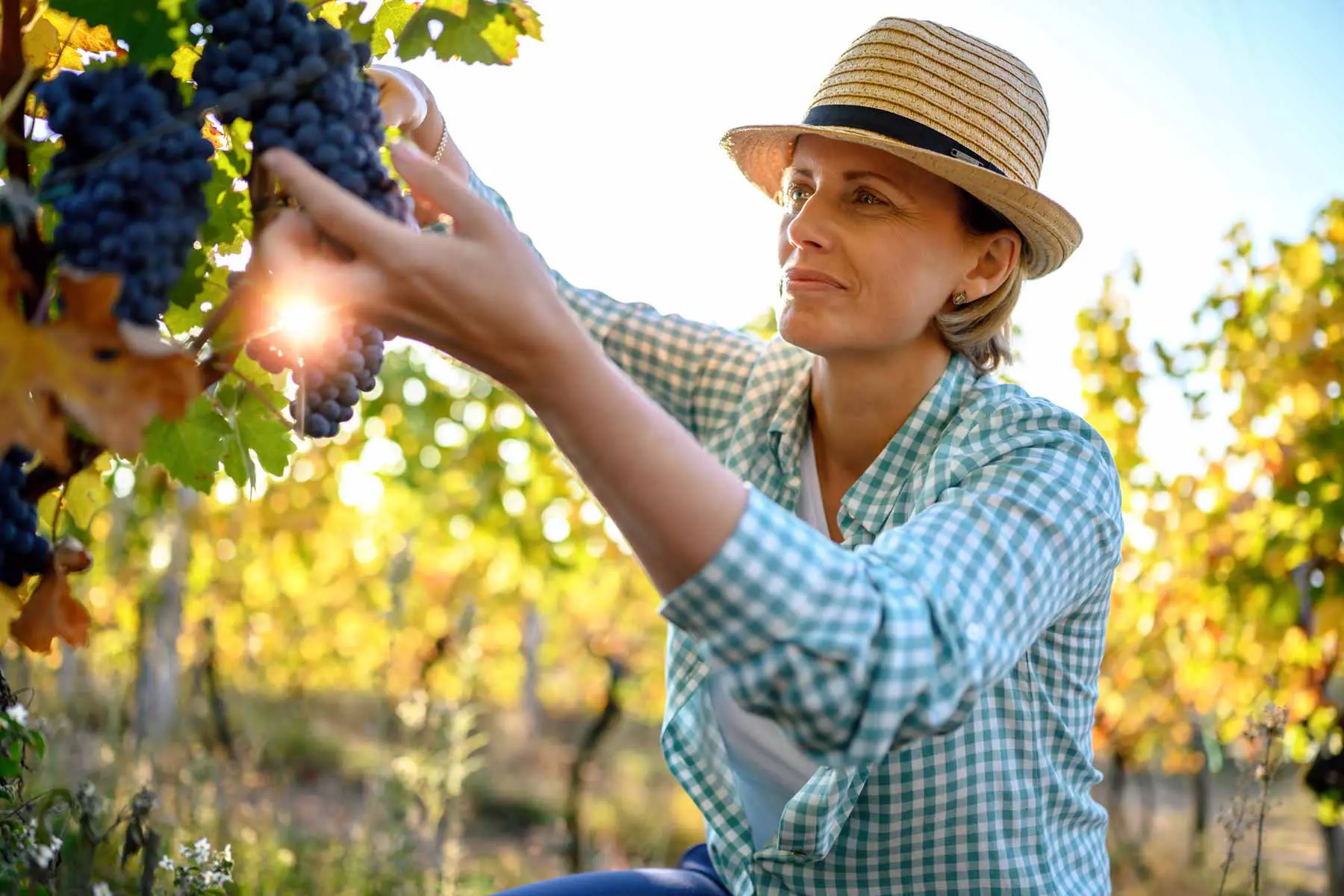
Kadehimizden yükselen o narin kokuları deşifre ederken devreye giren koku hafızası, şarap tadım serüvenini unutulmaz kılan en asil unsurdur. Zihnimizin en ilkel katmanlarında yürütülen bu duyusal analiz süreci, bizi saniyeler içinde geçmiş hasatların iklim anılarına dürüstçe taşıyabilen nörobiyolojik birer zaman yolculuğudur.
How did we choose the civilizations?
Yaşadığımız toprakların geçmişi o kadar zengin ki uygarlıkların seçimi konusundaki esas zorluk sıralama önceliğinde düğümlendi. Bizim etkinliğimizin odak noktasında, yaptığımız iş gereği şarap var. Anadolu’da yaşamış uygarlıkların neredeyse tümünde şarap kendisine bir yer bulmuş. Bu alanda çalışan bilim insanları ortaya çıkardıkları her yeni somut ve somut olmayan malumatla daha belirgin bir hale getiriyorlar. Uzmanların yaptıkları araştırmaların neler olduğuna kısaca bakalım.
How is information about the history of wine obtained?
Yazılı kaynaklar
Bilginin kaydedilmesinde tabletler kullanılmaya başlanmış ve bağcılık ve şarap konusunda da kayıtlar tutulmuş. Asur, Hitit ve Urartu dönemlerine ait tablet ve kitabeler sayesinde çok değerli bilgilere ulaşılıyor.
Objeler
Şarabın depolanması, taşınması ve tüketilmesi için üretilmiş ve kullanılmış araçlar da çok değerli bilgi kaynakları.
İşlikler
Anadolu’nun pek çok yerinde şarap üretiminde kullanılan işlikler yer alıyor.
Görsel kayıtlar
Hem ören yerlerinde hem de kimi objelerin üzerinde yer alan resimler bize önemli bilgiler ulaştırıyor.
The civilizations of the first event:
Seçimimizi yaparken şarap ilişkisi kurmakta zorluk çekmeyeceğimiz sekiz uygarlık belirledik. Bu uygarlıkların değişik bölgelerde yaşamış olması ve bu bölgelere has endemik üzümlerin bulunması bu seçimimizin iki ana kriteri oldu.
Geçmiş uygarlıklardan elimize ulaşan şarap bilgileri arasında üzüm adının belirtildiği kaynaklar yok denecek kadar az. Ama Türkiye’nin endemik üzümleri binlerce yıldır aynı yerlerde yetişiyor. Bizim eşleştirmelerimiz de bu coğrafi ilişki esasına dayanıyor.
Kokunun Amigdala Derinlikleri: Proust Fenomeni ve Tadım
Şarap tadımı esnasında burnumuzu kadehe daldırdığımızda gerçekleşen o büyüleyici aromatik keşif, aslında zihnimizin en ilkel ve duygusal katmanlarında yürütülen dikey bir nörobiyolojik operasyondur. Kadehten yükselen uçucu moleküller burnumuzdaki koku reseptörlerini uyardıkları an, sinyaller korteksi bypass ederek doğrudan beynimizin duygu ve bellek merkezi olan amigdala ile hipokampusa dikey olarak ulaşır. Edebiyat dünyasında “Proust Fenomeni” olarak anılan bu durum; şaraptan aldığımız tek bir taze vişne ya da ıslak toprak kokusunun, bizi saniyeler içinde çocukluğumuzun o unutulmuş birer yaz gününe ya da eski bir kütüphane köşesine dürüstçe fırlatabilmesinin arkasındaki asıl bilimsel gerçektir. Şarap tadımı, sadece sıvının içindeki asit veya alkol dengesini ölçmek değil, kendi koku hafızamızın o gizemli dehlizlerinde yürütülen derin bir içsel keşif yolculuğudur.
Duyusal Yanılsamalar ve Orbitofrontal Korteksin Estetiği
Tadım deneyimi, sanılanın aksine yalnızca dilimizin üzerindeki tat tomurcuklarıyla sınırlı izole bir süreç değildir; o, gözlerimizin gördüğü renkten kulaklarımızın duyduğu kadeh çınlamasına kadar tüm duyuların orbitofrontal kortekste birleştiği bütünsel bir illüzyon estetiğidir. Şarabın rengindeki o narin yakut veya altın sarısı pikseller, daha sıvıyı koklamadan önce beynimizde o şaraba dair dikey birer beklenti şeması oluşturur. Yapılan nörogastronomi çalışmaları, loş ve dingin bir ortamda, arkadan yükselen narin bir klasik müzik tınısının, damağımızdaki şarabın algılanan asiditesini ve meyvemsi zenginliğini dikey olarak artırdığını kanıtlamaktadır. Bu duyusal entegrasyon, zanaatkar üreticilerin tasarladığı o dürüst kadehleri endüstriyel fabrikasyonlardan ayıran en asil, en sübjektif ve en sanatsal boyuttur.
Let's take a look at how we made the civilizations and wine selections of the first event:
İyonyalılar
Aklımıza gelen ilk uygarlıklardan birisi oldu. Bugün eriştiğimiz uygarlık seviyesinin temellerinin atılmasında belki de en büyük paya sahip olan İyonyalılar için bir de ekstra avantajımız vardı: Yazılı kaynaklarda geçen tek şarap İyon döneminin moskhatos şarabıydı. Yani bugünkü adıyla Bornova Misketi şarabını kendiliğinden bulmuştuk. Bizim topraklarımızdaki varlığı neredeyse ortadan kalkmış olan bu üzümün geri kazanılması için çok emek harcayan Volkan Sucukçu’yu rahmetle anıyoruz. Tadacağımız Bornova Misketi şarabını Urla’daki tesislerinde Perdix üretiyor; en iyi Bornova Misketi örneklerinden birisi.
We had multiple options for the second wine, but we chose the wine made from Sultaniye grapes. Although the largest vineyard areas today are in Manisa, the birthplace of the Sultaniye grape has been determined to be Karaburun. We accepted the Sultaniye of Karaburun, formerly known as Mimas, as our common wine with our Ionian ancestors. You already know Sultaniye grapes from your kitchen as small, seedless, brown raisins. Heraki Winery produces the Sultaniye white wine we will taste, one of the best Sultaniye examples.
Hititler
Herhalde aklımıza gelen ilk uygarlık oldu. Bu topraklarda hayat bulan ve çok uzun bir zaman dilimi boyunca hükümranlığını sürdüren Hititlerin bize bağ ve şarap konusunda bıraktıkları çok zengin bir içerik var. Hititlerin yaşadıkları coğrafyaya baktığımızda, doğum yerleri açısından bu coğrafyayla örtüşen en uygun iki üzümü seçtik. Bu üzümlerden ilki Sungurlu Beyazı. Doğum yeri Hititlerin başkenti Hattuşaş’a çok yakın olan bu üzümden yapılan şarapların geçmişi binlerce yıllık olsa da, bizlerle buluşması çok yeni. Ülkemiz şaraplık üzümlerinin makus kaderi olan yok olma tehlikesinden, bir avuç çalışkan üzüm kâşifi sayesinde kurtulan Sungurlu Beyazı’ndan adı gibi bir beyaz şarap tadacağız. Bu şarabı üreten Yaban Project, aynı zamanda üzümü kurtaran ekip.
İkinci Hitit şarabımız, Kızılırmak kıyılarında hayat bulan ve ülkemizde en çok işlenen kırmızı şaraplık üzümlerden olan Kalecikkarasından yapılıyor. Seçtiğimiz Kalecik Karası şarabını Tomurcukbağ üretiyor. Bu üreticimiz bir akademisyen, 1960’lı yıllarda filoksera bağ hastalığı nedeniyle neredeyse kökü kuruma noktasına gelen Kalecikkarasını hayata döndüren ekibin önemli bir parçası da Sabit Bey olmuş. Trajan, Kalecik Karası şarabının karakterini en iyi yansıtan örneklerden birisi.
Likya
Antalya Körfezi’nin batısında yaşayan Likyalılar üçüncü uygarlık oldu. Bölgede yapılan yüzey araştırmalarında hem şarap hem de zeytinyağı işliklerine sıkça rastlanıyor. Likya uygarlığıyla ilgili seçtiğimiz iki şarabın ikisini de, adını bu uygarlıktan alan Likya üretiyor. Şaraplık üzümlerin ikisi de bugünkü Elmalı yöresinde hayat bulan üzümler ve şimdilik yalnızca bu üreticimiz tarafından işleniyor. Likya uygarlığıyla bu üzümlerin ortak noktaları olarak yalnızca coğrafi beraberlik var; yazılı kaynaklarla kurabildiğimiz bir bağ yok.
Şaraplardan ilkinin üzümü Acıkara, uzun süren bir çalışmayla yaşama geri döndürülmüş. Çok güçlü bir pigment yapısı var. Lekesini çıkarmak mümkün olmuyor. Kendine has güçlü karakteri olan şaraplar veriyor.
The second wine that we associate with the Lycian period is made from Fersun grapes. With its soft identity, Fersun appeals to a wider audience as it produces soft wines that easily appeal to wine lovers.
Selefkiler
İlk etkinliğin dördüncü uygarlığı Akdeniz Bölgesi’nin doğu kısmında yaşamış olan Selefkiler. Büyük İskender’in dünyayı kasıp kavuran fetihlerinden sonra parçalanan Makedonya İmparatorluğu’nun bu bölgedeki hakimleri olmuşlar. Bölgede şarap üreticiliğini gösteren hem işlik kalıntıları hem de ele geçen objeler var. Ama Selefkiler için seçtiğimiz şarapları da aynı coğrafyada yetiştikleri için seçtik. Birinci şarabımız Toros Dağları’nda doğan iki üzümden yapılan bir blend şarap. Göküzüm ve Aküzüm bu şarabın bileşenleri. Ortaya çıkan örnek Tasheli tarafından üretilen ve çok beğenilen bir beyaz şarap.
The company that produces our second wine is Selefkia, which takes its name from this very civilization. A unique red wine made from Patkara grapes, whose history dates back thousands of years. Patkara is a grape that 'pops red' because its berries suddenly turn red from green in a day: This is where it gets its name from.
Duyusal Analiz ve Zaman Tüneli Serisi
Kadehin içindeki o narin zaman yolculuğunu ve insan zihninin duyusal dehlizlerini tüm katmanlarıyla keşfetmek için serimizin diğer adımını takip edin:
BÖLÜM 1: Zaman Tünelinde Şarap Tadımı – Evrimsel Adımlar ve Tarihsel Hafıza. Antik Yunan sempozyumlarından modern enoloji laboratuvarlarına uzanan duyusal evrimi ve geçmiş hasatların o yaşayan iklim anılarını kadehte dürüstçe hapseden tarihsel hafızayı okumak için serimizin kurucu ilk bölümüne geri dönün.