WAYANA Wine Bar’ın İstanbul Kadıköy’deki şarap evimiz olduğunu daha önceki yazılarımızı okuyanlar hatırlayacaklar. Yalnız Türk şaraplarını servis eden WAYANA’da 400’den çok şaraba yer veren bir şarap menümüz var. Ayrıca menüdeki bütün şarapların hem kadehle hem şişeyle servis edildiğini de söylemeden geçmeyelim.
WAYANA Şarap Menüsü’ndeki şarapların dörtte biri beyaz şaraplardan oluşuyor. Beyaz şarapların içinde hem yerel endemik üzümlerle hem de bizim bağlarımızda yetişen uluslararası üzümlerle yapılan şaraplar var. Endemik üzümlerimiz arasında beyaz şarap için kullanılanlar, kırmızı şaraba uygun olanlardan sayıca biraz daha fazla. Ülkemizin şaraba geç girmiş olması nedeniyle şaraplık üzümlerimizin hakkını henüz tam olarak veremediğimizi itiraf etmeliyiz.
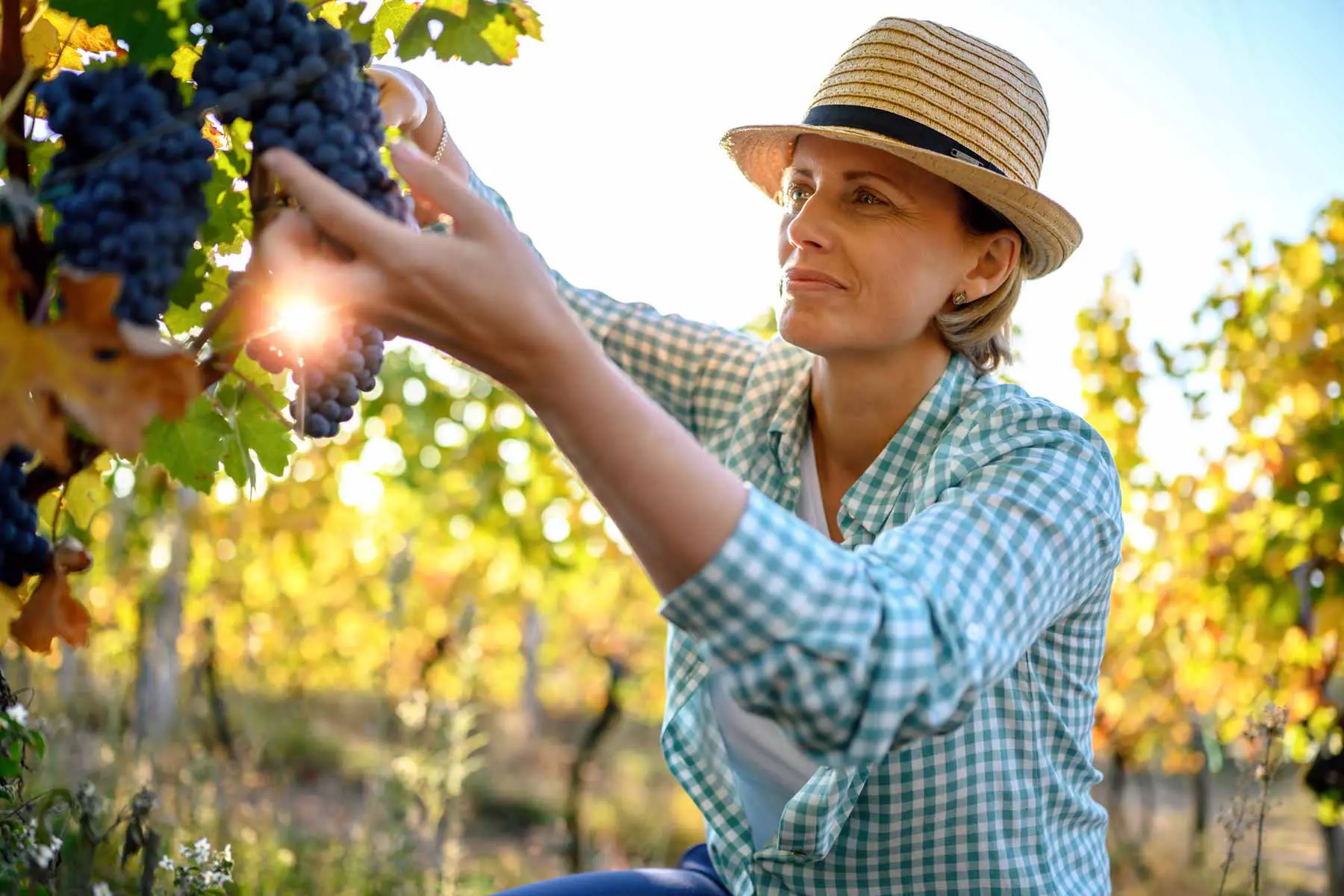
“Bütün şaraplar aslında beyazdır” ifadesinin altında binlerce yıldır kazanılmış olan şarapçılık deneyimi sayesinde geliştirdiğimiz teknolojik bilgi birikimi var. Çünkü doğadaki istisnai birkaç çeşit (Alicante Bouschet ve Saperavi gibi içi de renkli olan tentüre üzümler) hariç tutulursa, yeryüzündeki en koyu, en siyah ve en tanenli kırmızı üzümlerin bile etli iç kısımları ve dolayısıyla sıkıldıklarında verdikleri ilk şıra tamamen şeffaf, yani renksizdir. Bir şarabın kadehte yakut, mor veya kiremit tonlarına bürünmesini sağlayan mucize şıranın kendisinde değil, üzümün kabuğunda saklıdır. ‘Bütün şaraplar aslında beyazdır’ gerçeğini çarpıtarak sıvıyı kırmızıya ya da rozeye dönüştüren süreç, ezilen üzüm kabuklarının içindeki renk pigmentlerinin fermantasyon sırasında alkol ve sıcaklığın etkisiyle şıraya geçmesidir. Bağcılık terminolojisinde maserasyon, yani kabuk teması adı verilen bu temas süresini tamamen ortadan kaldırırsanız, en koyu kırmızı üzümden bile berrak, pürüzsüz bir beyaz şarap elde edebilirsiniz. Fransızların şampanya üretiminde siyah Pinot Noir üzümlerinden beyaz köpüklü şarap üretirken kullandığı “Blanc de Noirs – Siyahtan Beyaz” tekniği, tam olarak bu bilimsel temel üzerine kuruludur.
Ama kabukla beraber geçen zamanın yalnızca rengi etkilemediğini de hatırlamakta fayda var. Çünkü kırmızı şaraba kendine özgü tadı veren tanenlerin ve diğer organik kimyasalların görevlerini yapabilmesi, kabuk-şıra beraberliğiyle, yani kabuğun şıranın içinde kalmasıyla doğrudan ilişkilidir.
Özetlersek, şarabın kadehimizde karşımıza gelen rengi elde etmesi, yapımı esnasındaki üretim sürecine bağlıdır. Şarap terminolojisindeki “Blanc de Noirs” terimi, aslen kırmızı şarap yapımında kullanılan üzümlerden beyaz şarap yapımını anlatır. WAYANA menüsünde bu kategoride yer alan birçok şarabımız olduğunu hatırlatalım.
İlginizi Çekebilir:
Bütün şaraplar aslında beyazdır iddiasının arkasındaki o büyüleyici renk kimyasını ve kabuk temasının (maserasyon) gizemini çözdükten sonra, bu renk spektrumunun diğer stillerini ve kadehteki yapısal dengeleri anlatan yazılarımız da ilginizi çekebilir:
Kabuk temas süresinin (maserasyon) saatler ve günler bazındaki hassas dengesiyle şekillenen o ferahlatıcı pembe dünyayı ve popüler kültür yanılgılarını öğrenmek için Roze ve Blush Arasındaki Farklar: Pembe Şarabın Gerçek Hikâyesi rehberimizi inceleyebilirsiniz.
Kabukların şıraya sadece renk değil, aynı zamanda şarabı yıllandıran asil küf gibi mikroorganizmalarla nasıl bambaşka bir konsantrasyon kazandırdığını okumak için Asil Küf (Botrytis Cinerea): Şarabın Tatlı Mucizesi makalemizi ziyaret edebilirsiniz.
Renk pigmentleriyle birlikte kabuktan şıraya süzülen tanenlerin, alkol ve asitle birleşerek kadehte yarattığı dengeyi kavramak için Kafa Karıştıran Kavram: Şarapta Denge enolojik kılavuzumuza göz atabilirsiniz.
Fermantasyon tanklarına girerek bu renk mucizesini başlatan asil taneler ile doğrudan masalarımızı süsleyen meyveler arasındaki anatomik sınırları öğrenmek için Şaraplık ve Sofralık Üzümlerin Farkı kavramsal analizimize bakabilirsiniz.