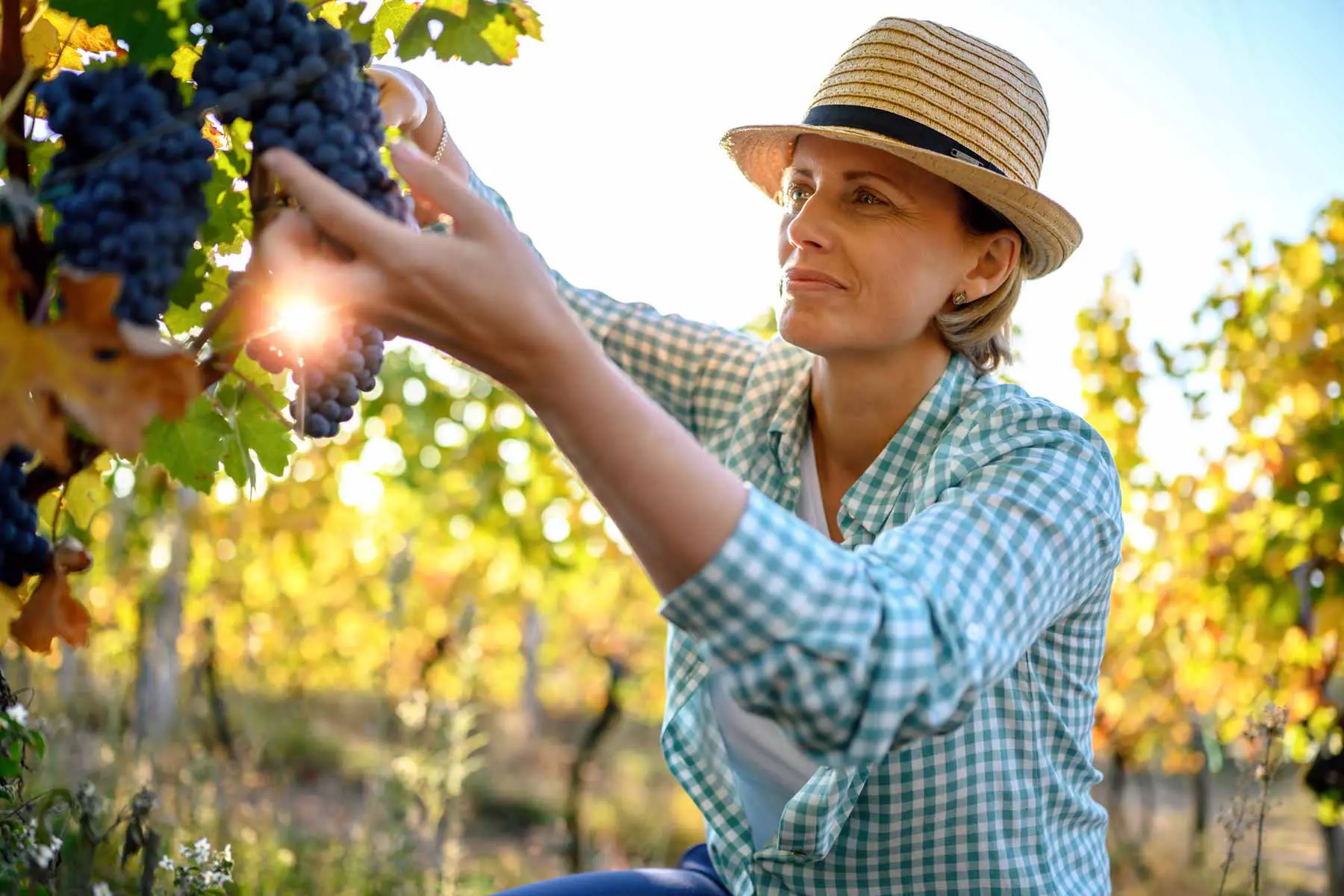
Dünyanın en değerli şaraplarının önemli bir bölümü, onlarca hatta yüzlerce yıldır yaşayan asmalardan geliyor. Peki, Old Vines – Yaşlı Asmalar gerçekten değerli mi? Eğer öyleyse, onları değerli kılan nedir?
Kasım ayında Old Vines – Yaşlı Asmalar başlıklı konferansların yedincisi yapıldı. Kaliforniya’da düzenlenen konferans şarap dünyasının etkili isimlerinin de katılmasıyla yılın en önemli etkinliklerinden birisi olarak hafızalarımıza yerleşti. 12 ülkeden şarapların tadıldığı etkinlikte ülkemizden Paşaeli’nin bir şarabının yer aldığını gördük.
Bilgi Kutusu: Old Vines – Yaşlı Asmalar Nedir?
- Genellikle 35 yaş ve üzeri asmalar “Old Vines – Yaşlı Asmalar” olarak kabul edilir.
- Evrensel bir yasal tanım yoktur.
- Verim azalır.
- Konsantrasyon artabilir.
- Derin kök sistemi iklim stresine dayanıklılığı artırabilir.
The opening keynote came from Jancis Robinson, who is celebrating her 50th anniversary in wine writing this year. She highlighted the remarkable value of old-vine wines and described them as “some of our greatest resources.”
The closing address was delivered by South African viticulturist Rosa Kruger, who told the story of how the Old Vine Project, which she launched in South Africa in 2002, grew into a global movement. Let her closing remark speak for itself:
“My appeal to the old-vine community across the world is to build a culture that cares not only for our old vines, but also for the people who work them.”
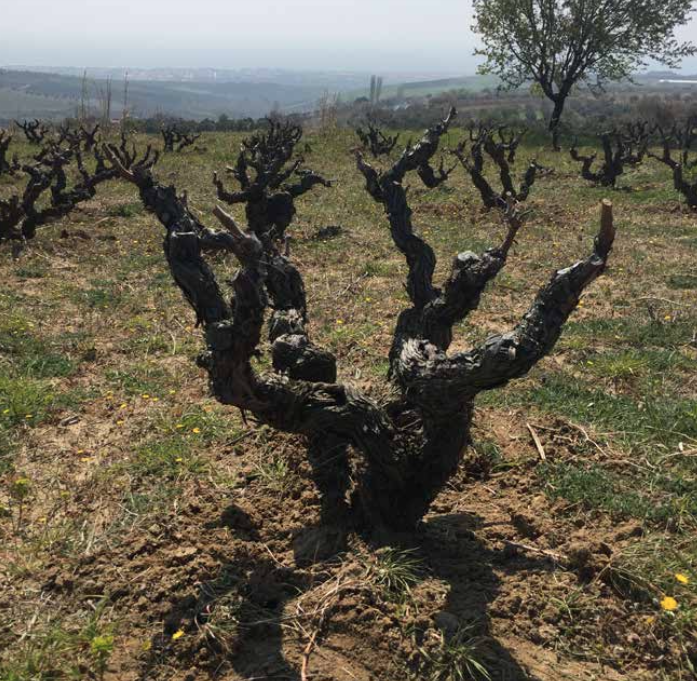
Research Presented at the Conference
Two major research projects were introduced, and both of them drew serious attention.
The first project was conducted by CRDO Campo de Borja with the support of the Universities of Navarra and Zaragoza, focusing on evaluating wines produced from old Garnacha (known as Grenache in France) vines over a three-year period.
CRDO, İspanya’nın üzüm tescil işlemlerinin bölgeler için yapılmasından sonra bu sürecin devamlılığını denetlemek üzere yetkilendirilen bir konsey. CRDO is a regulatory council authorized to oversee the continuity of Spain’s regional grape certification system. Project lead Prof. Vicente Ferreira explained that they used both old and young Garnacha vines from three different producers, and their comparisons showed that wines from old vines exhibited greater complexity, higher phenolic intensity, and significantly stronger aging potential. He also added that old vines express terroir characteristics much more distinctly.
The second major research project was a study by the University of Navarra focused on determining the age of old vines.
Prof. Santesteban, who led the project, summarized their work as follows:“People generally assume that vine age can be easily verified through official records or by counting the rings of a branch (as with trees). However, vines do not grow in the same way as trees, and official vineyard records can only be considered accurate from 1994 onward. In other words, the reality is much more complex than assumed.
We brought together different sources of information: aerial photographs taken in historical periods, relative growth measurements of the vines, genetic analyses of scions and rootstocks… In this way, we created an empirical method to assess vine age.”
Old Vines 2025’te öne çıkan başlıklar:
• Yaşlı bağların ekonomik değeri
• Yaşlı asmaların iklim direnci
• Tüketici algısı ve fiyat etkisi
• Genetik mirasın korunması
• Eski bağ envanterlerinin oluşturulması
Konferansı Gördük. Şimdi Sıra Sahada:
Neredeyse bütün segmentlerde satış zorlukları yaşayan şarap sektörü Old Vines – Yaşlı Asmalar şaraplarına farklı bir yerden bakıyor:
“Old Vine – Yaşlı Asma” şarabı olduğu için satışı kolaylaşıyor mu?
Based on the results from “Wine Opinions” surveys conducted among U.S. wine consumers, we can summarize the findings as follows:
- %47 şarap profesyoneli “Old Vines” ifadesini güçlü bir kalite göstergesi olarak görüyor.
- Among consumers, this drops to %34.
- Buna karşılık “Historic Vineyard” etiketi %45 ile daha fazla değer görüyor.
Bu sonuçlara bakıldığında, tüketici asmanın yaşından çok bağın yaşıyla ilgili. Toprak güçlü bir etmen, hikâyenin gücü çok belirgin değil.
Do old vines truly produce better wine, or is this simply the romance of the narrative?
The answer to this question varies depending on who you ask.For everyone in the conference hall, the belief was that this narrative is true. The twists on the trunks of century-old vines, roots stretching deep into the soil, plots tended by generations of growers… all these elements form a powerful story.
Old Vine – Yaşlı Asma Şarabı Gerçekten Değiştirir mi?
Yes, they do. But the statement “it is better” is entirely subjective.
What does science say?
As mentioned and summarized in the introduction, wines from old vines have:
- More intense black fruit aromas,
- Greater aromatic depth,
- A more complex phenolic structure.
In other words, age is not just a number; it has chemical reality.
But professionals in the field highlight the following:
Not everyone wants complexity.
In today’s world, a significant portion of consumers prefer the dry, neutral, risk-free taste of Pinot Grigio. The “vodka-tonic type of person” profile is growing. For this group, concepts such as intensity, depth, and even “origin” do not offer any added value.
Peki, değer veren kesimde satış neden yüksek değil?
Verim düşük, maliyet yüksek
Old vines produce less fruit. This automatically reflects in the wine’s price. Old Vine wines often cost about twice as much as wines from younger vineyards. The average consumer does not want to pay double for historical value.
Hikâyeyi anlatmak kolay değil
Etikete “Old Vine” yazmak yetmiyor. Ama daha somut bir referans satışı çok etkiliyor. Örneğin Güney Afrika’daki proje kapsamında etikete güvenilir referansla eklenen “1932’de Ekilen Bağlardan” ibaresinin etkisi çok büyük. Önemli olan bu bilgiye sahip olmak.
Kategori olarak görünür değil
Şarap listelerinde “Old Vines” diye bir kategori yok. İş Sommelier’in hikâye anlatmasına kalıyor, yoksa şarap kaybolup gidiyor.
“Küresel Isınma” oyunu yeniden yazıyor
A vineyard that was ideal 100 years ago may lose its value under shifting climate conditions. Being an Old Vine alone may not be meaningful enough in the future.
So What Are the Strengths?
Let’s set aside the romance. Old vines have three major advantages for the industry:
Direnç ve sürdürülebilirlik
Thanks to their deep roots, they are resistant to drought. They require less fertilizer and chemicals. They provide an ideal structure for low-intervention viticulture.
Tarihsel ve kültürel değer
A vineyard that has survived for 120 years is a living archive of human effort. This value today offers strong advantages for sustainable tourism, vineyard tours, and brand identity.
Markalaşma fırsatı
A wine with a story can always be sold. Producers who document this information and reflect it on the label can reach wine enthusiasts willing to pay a premium. The movement in South Africa has already demonstrated this.
Conclusion: How Will the Future of Old Vine Wines Take Shape?
Old vines are under threat in many regions of the world. The reason is dramatic but simple:
Lower yield = lower income.
There is an economic reality pushing growers to uproot the old vineyards and plant new ones.
The key question for the upcoming period is:
Can the sector create an economic model strong enough to protect these vineyards?This is possible, but only under certain conditions:
- Transparent information (planting year on the label)
- Storytelling
- Support from the gastronomy world
- Emphasis on sustainable agriculture
Final Word:
The future of Old Vine wine depends not on its quality but on who tells its story and how.In wine — a drink often loved as much for its story as for its taste, sometimes even more — the investment lies in shaping the perception it creates.
A well-told wine is a preferred wine.
Bu yazımız ilginizi çektiyse, aşağıdaki yazılara da üzerlerine tıklayarak göz atabilirsiniz.